All Categories
39 product categories, 179 individual products. Every category page lists every product analyzed in that space, with cards you can scan, sort, or click into for the full review.
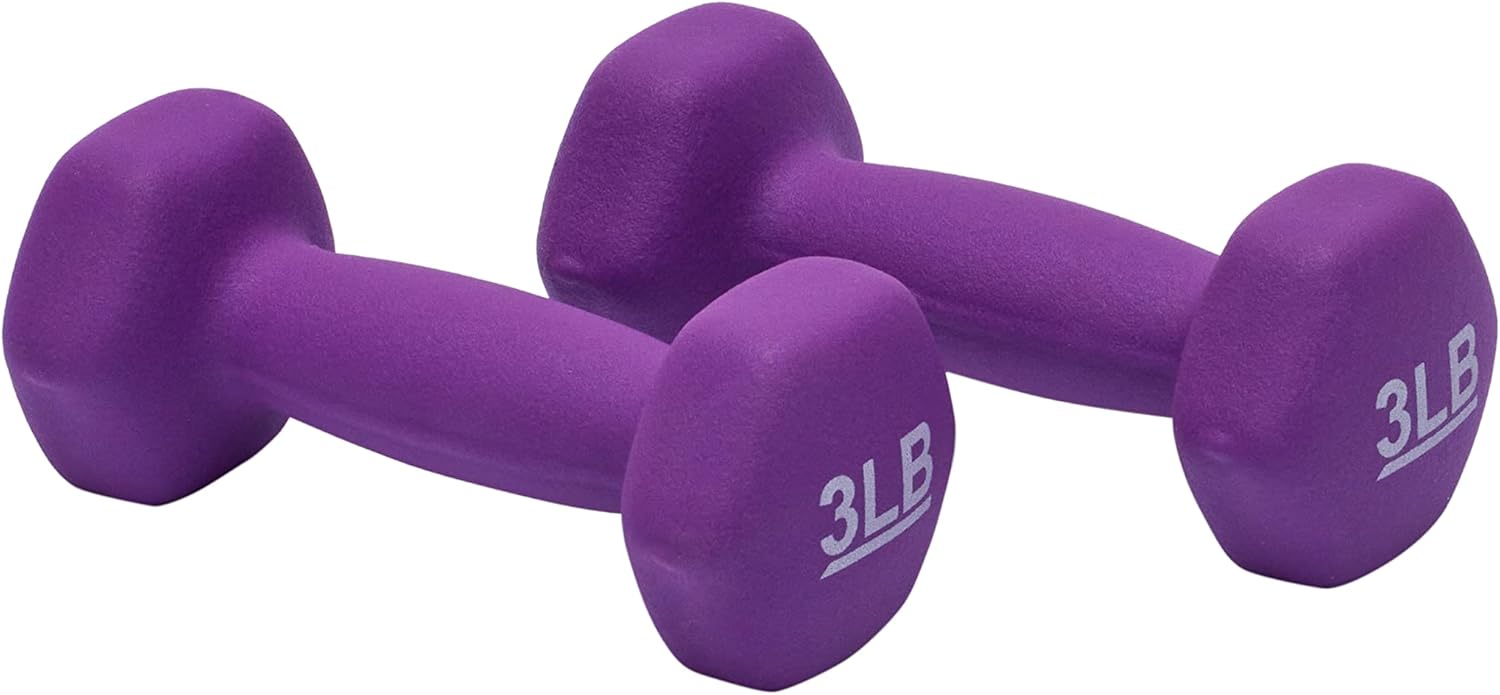
Dumbbells
From budget hex to full adjustable progression, dumbbells are the most versatile single piece of strength equipment you can put in a home gym.
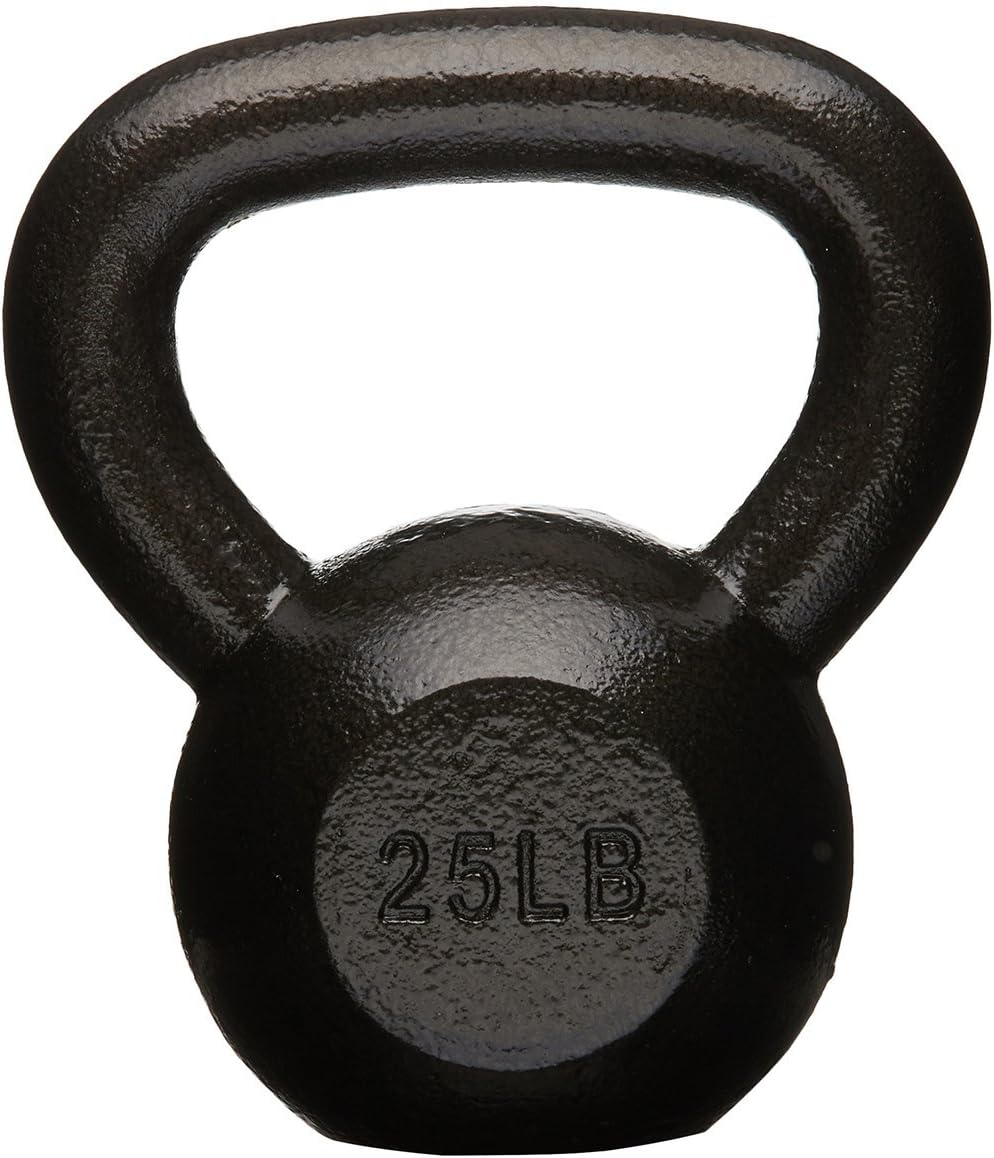
Kettlebells
Kettlebells handle the half of strength work dumbbells can't — swings, get-ups, cleans, snatches, anything where the load needs to move through space.
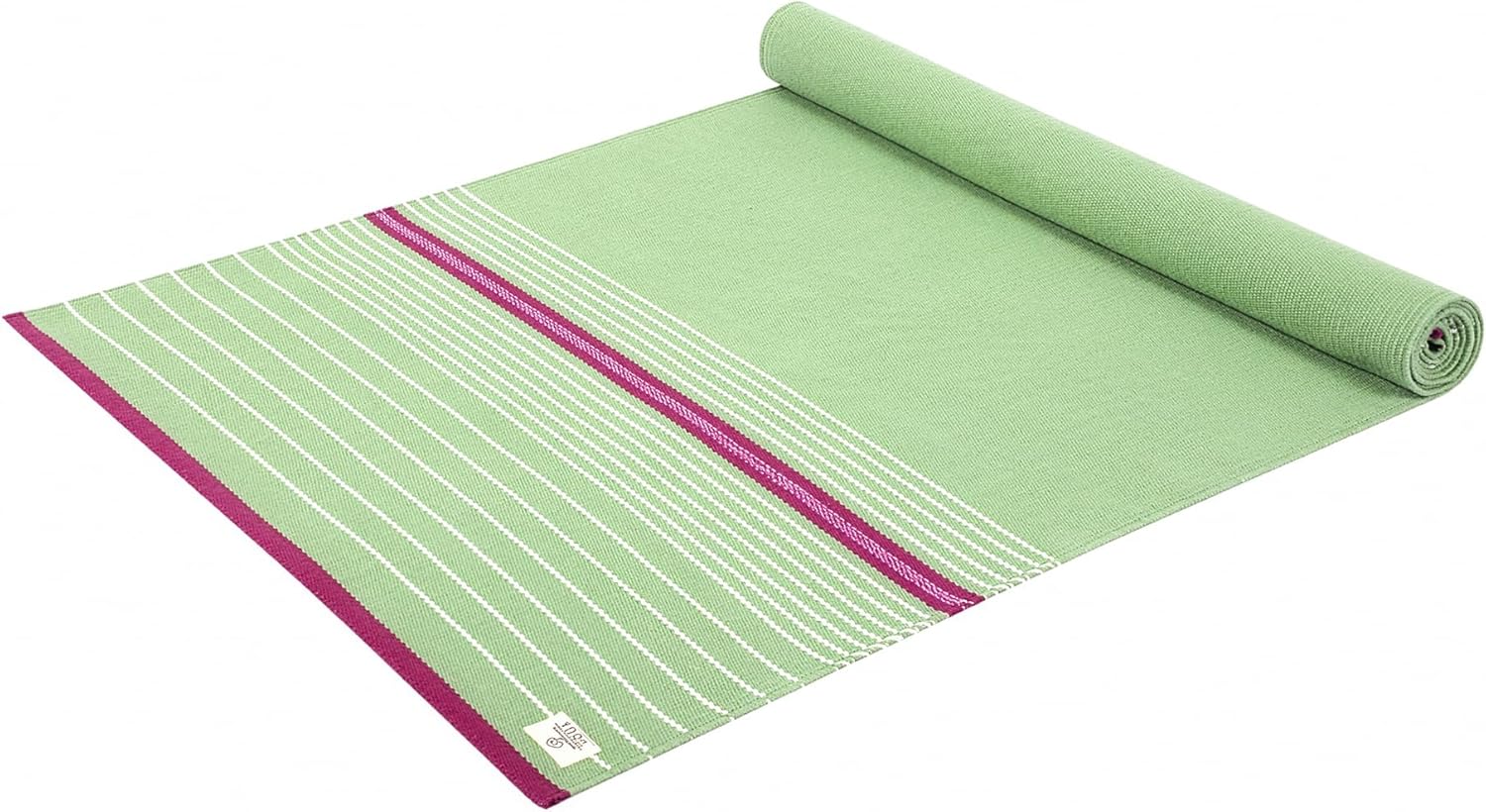
Yoga Mats
A yoga mat sits between you and the floor for every single rep of every single session, so grip, cushion, and durability matter more than color or brand.
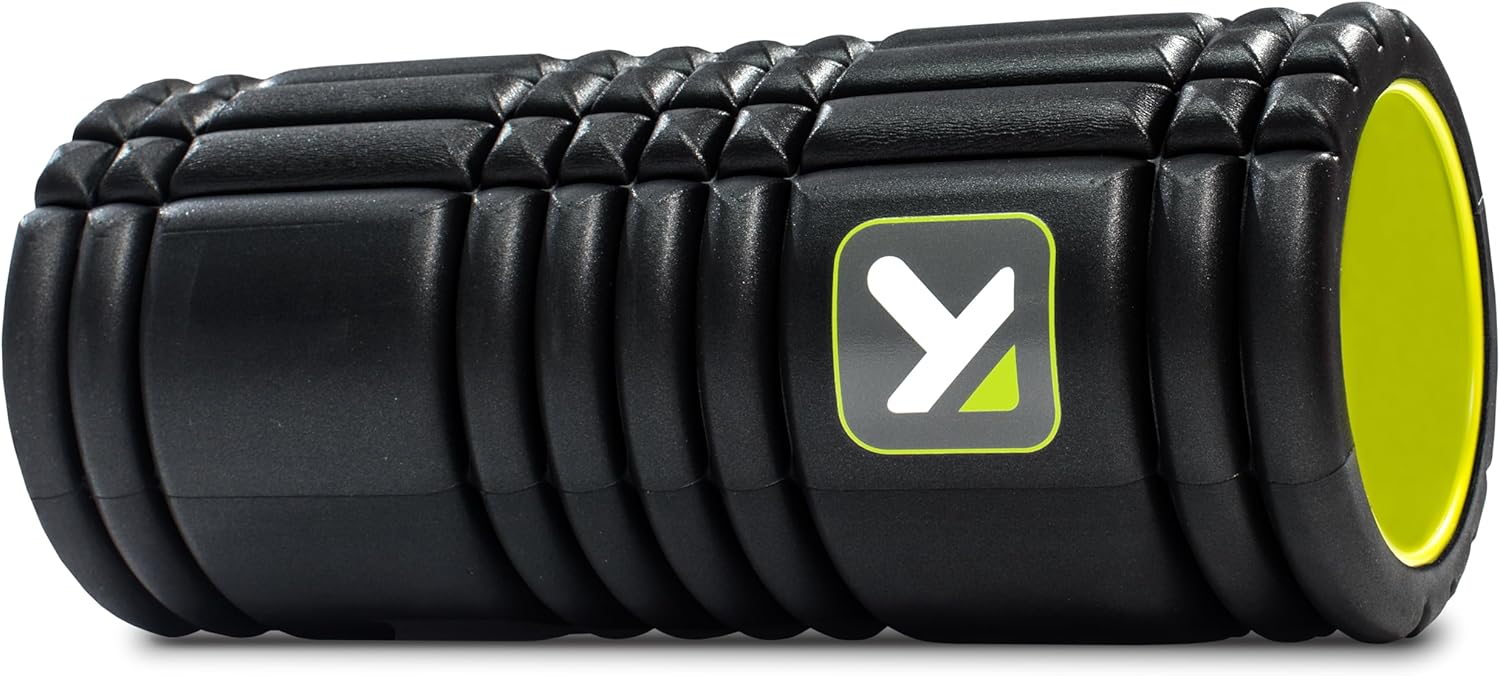
Foam Rollers
Foam rolling is the cheapest recovery tool that actually works, and the roller you choose determines whether rolling feels productive or punishing.
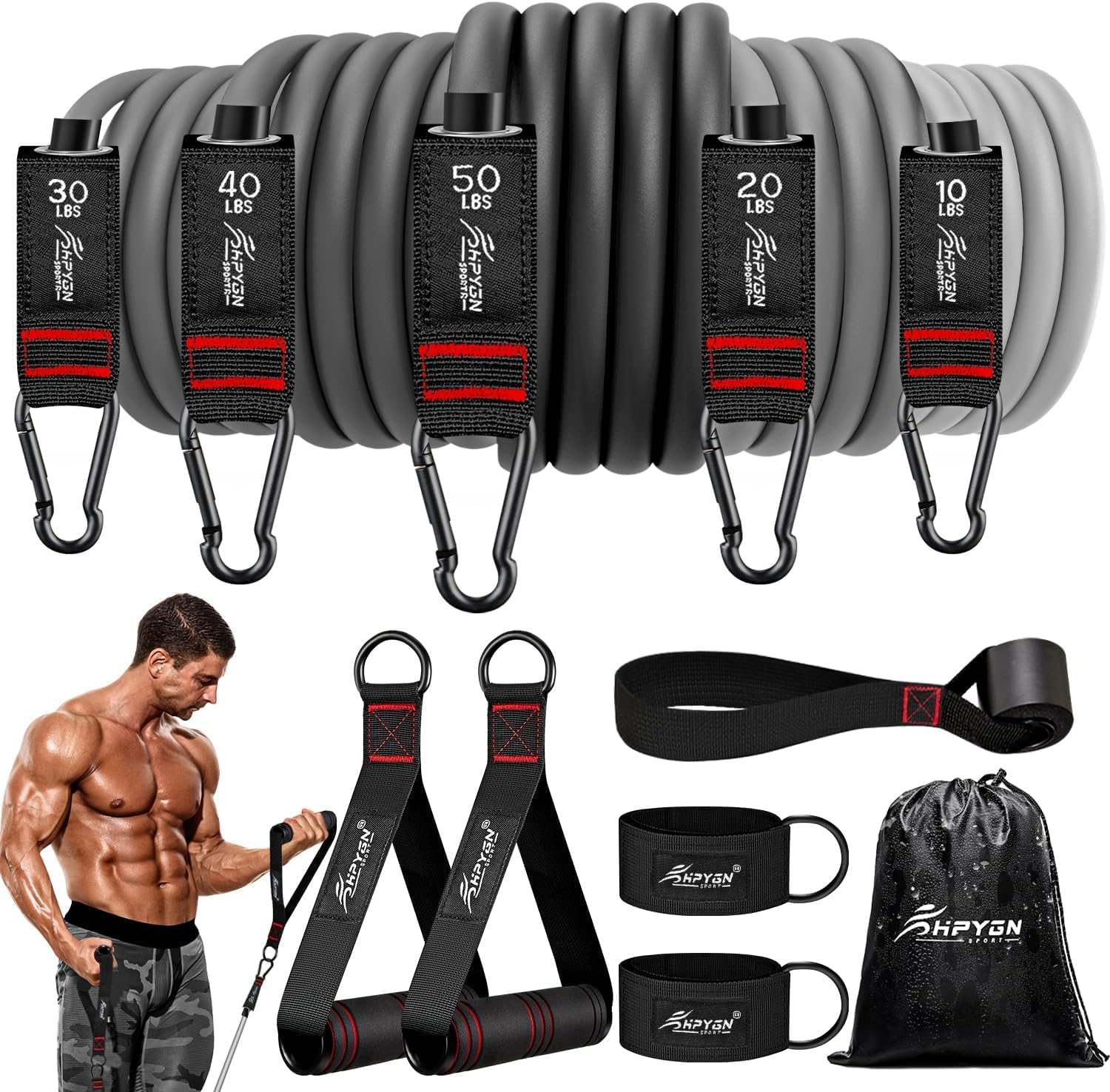
Resistance Bands
Resistance bands are the strength tool that fits in a carry-on and trains every major muscle group with enough progression to matter.
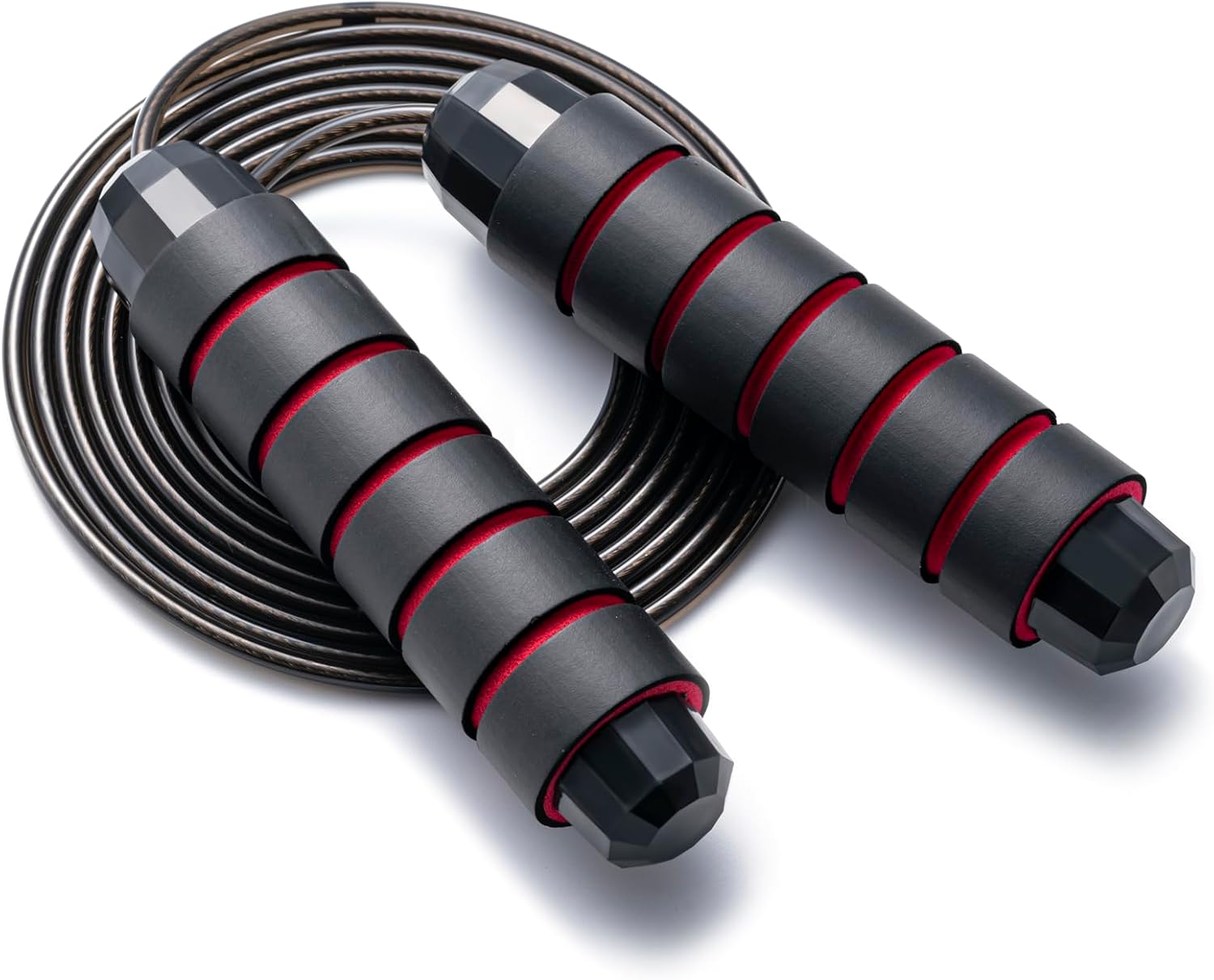
Jump Ropes
Jump rope is one of the highest-return conditioning tools you can own — ten dollars, ten minutes, and a near-complete cardio session.
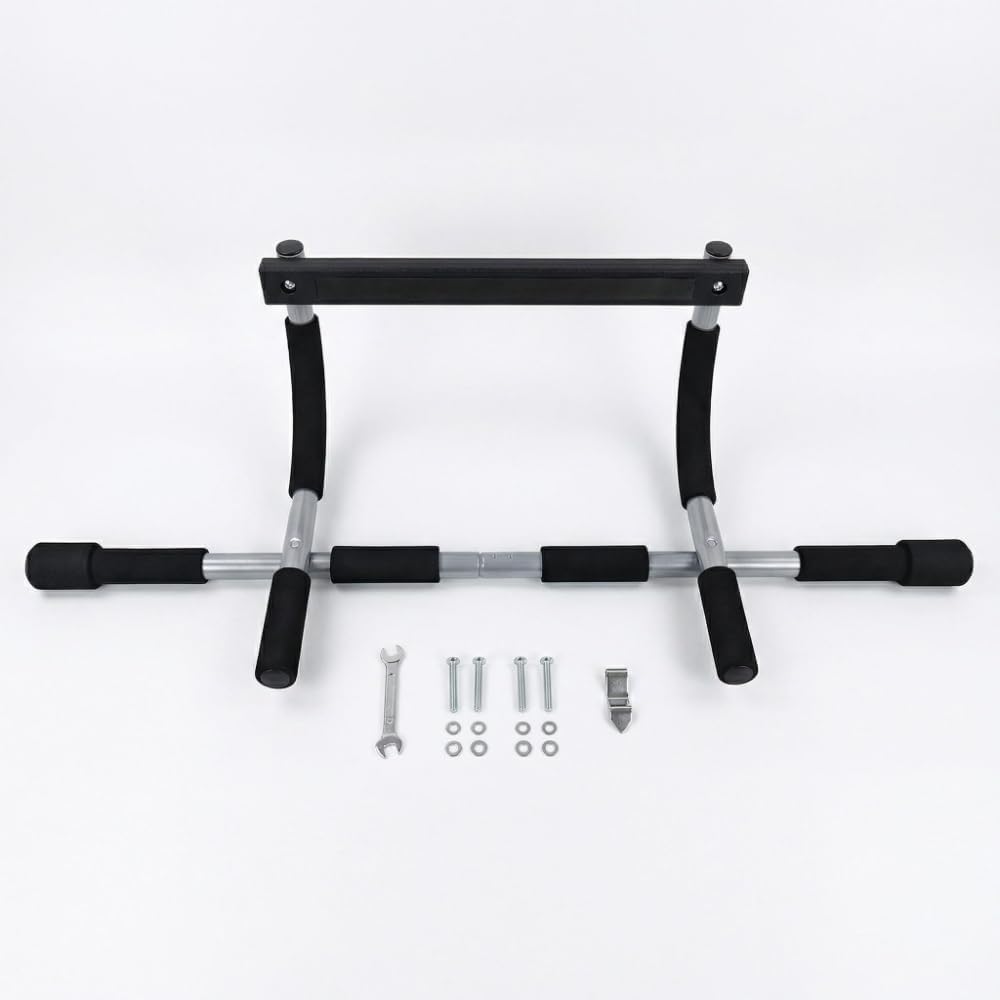
Pull-Up Bars
A doorway pull-up bar is the cheapest path to a complete upper-body workout — no rack, no installation, and the hardest bodyweight movement already built in.
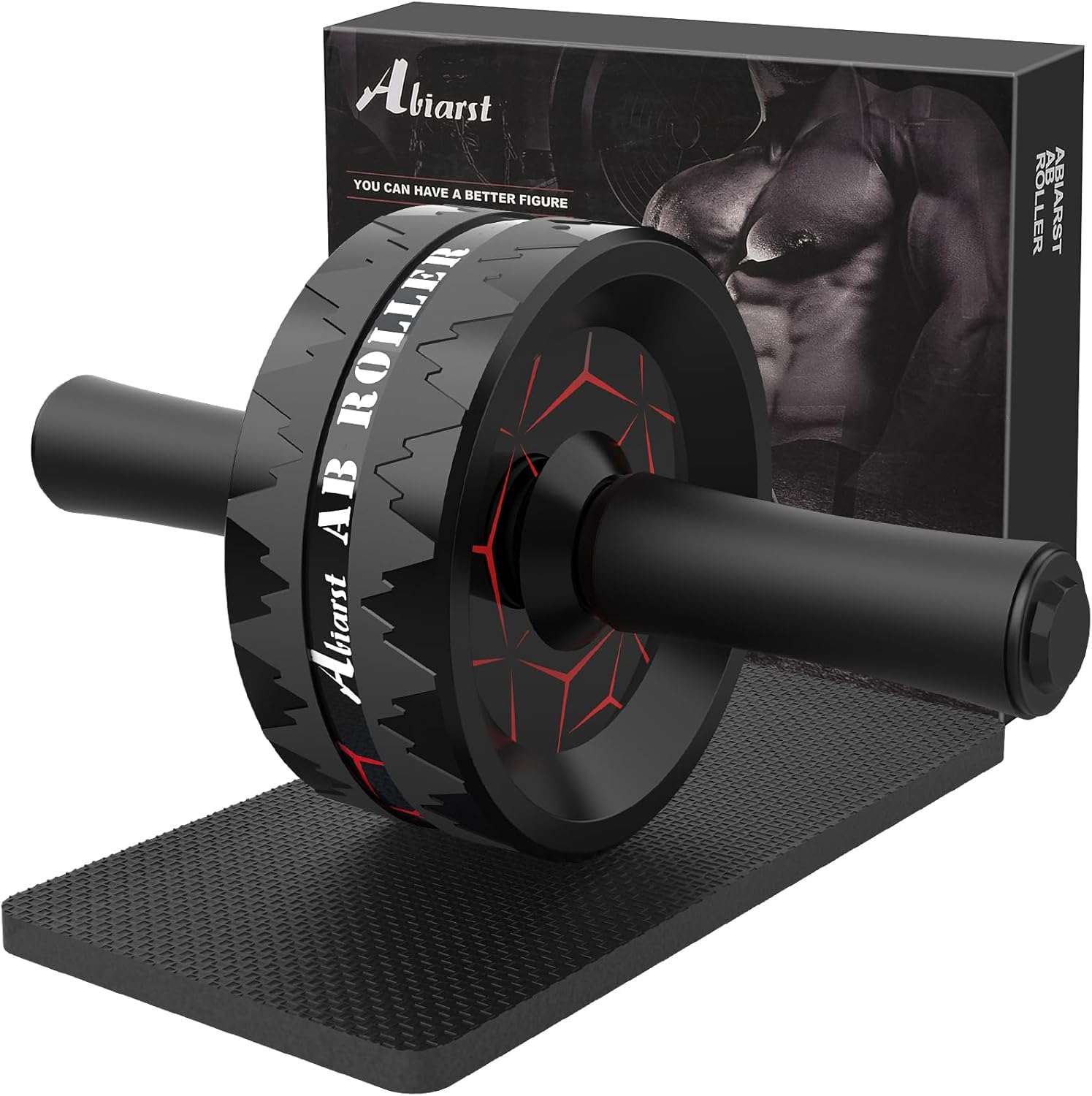
Ab Wheels
An ab wheel is the most under-appreciated core tool in a home gym — it trains the full anterior chain harder than any sit-up variation for about fifteen dollars.
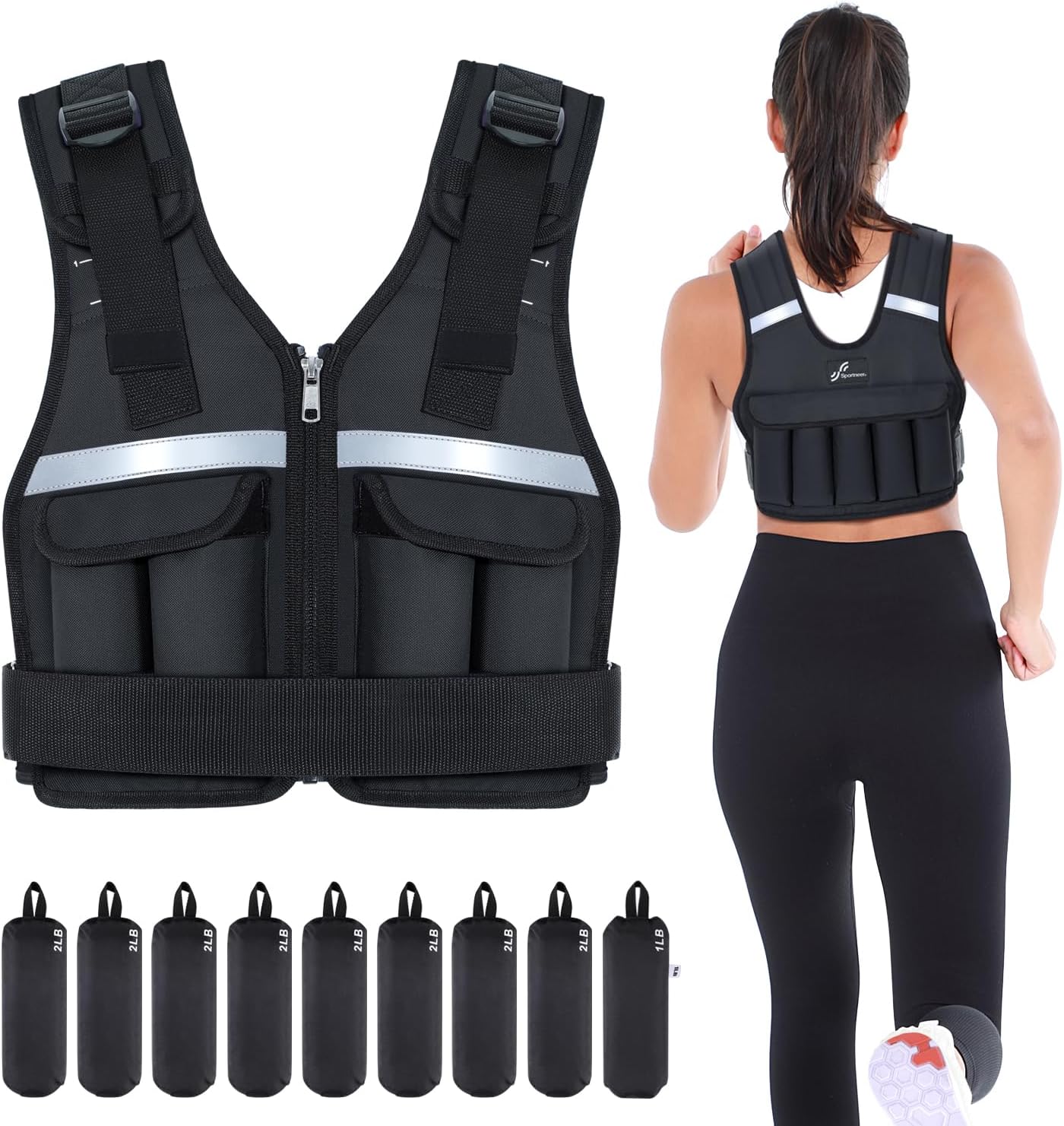
Weighted Vests
A weighted vest makes walks, rucks, pull-ups, and bodyweight circuits meaningfully harder without adding a single extra piece of equipment.
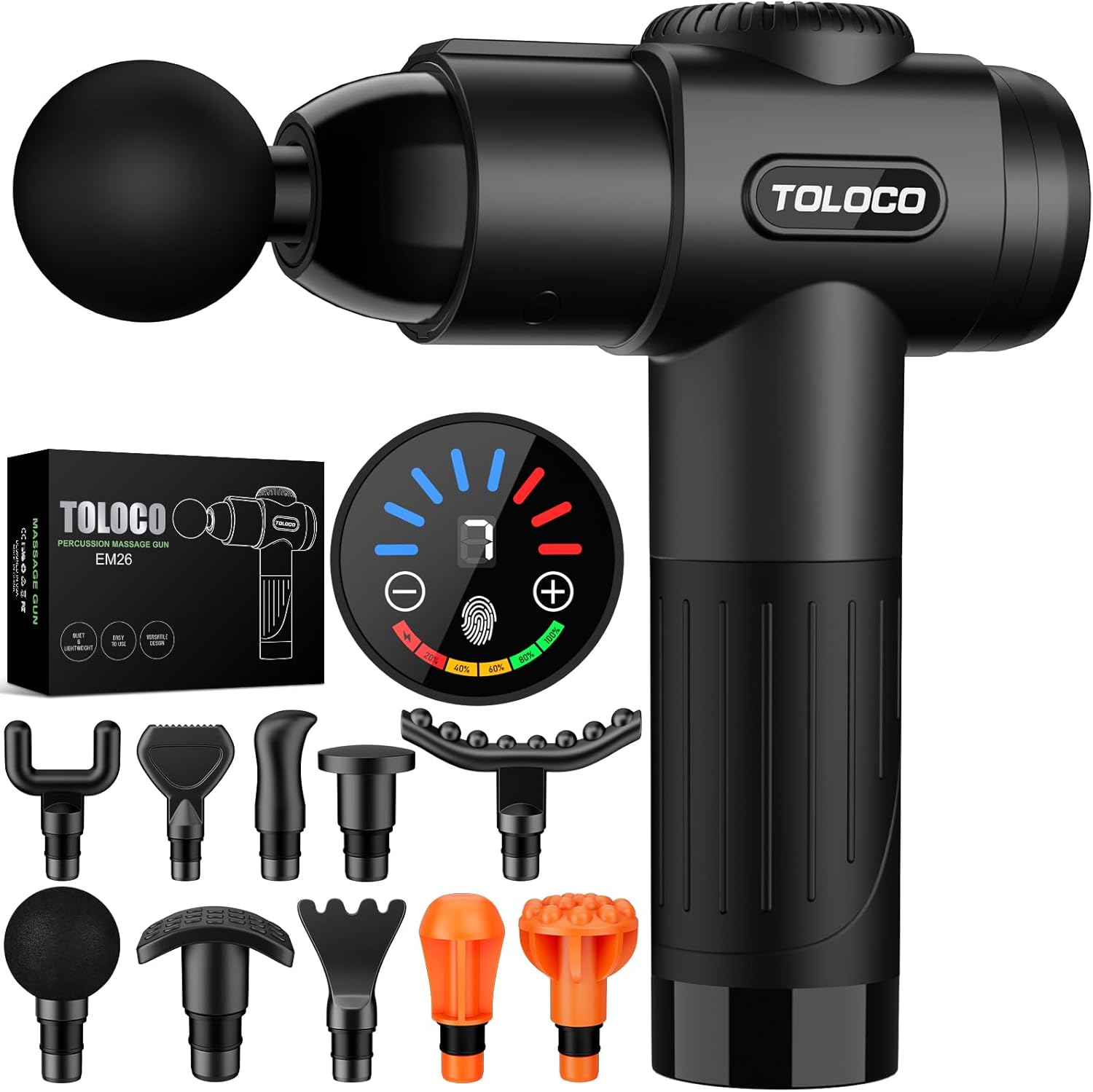
Massage Guns
Percussive massage guns moved from pro athlete gear to home recovery essential in under five years, and the price range now runs from forty dollars to five hundred.
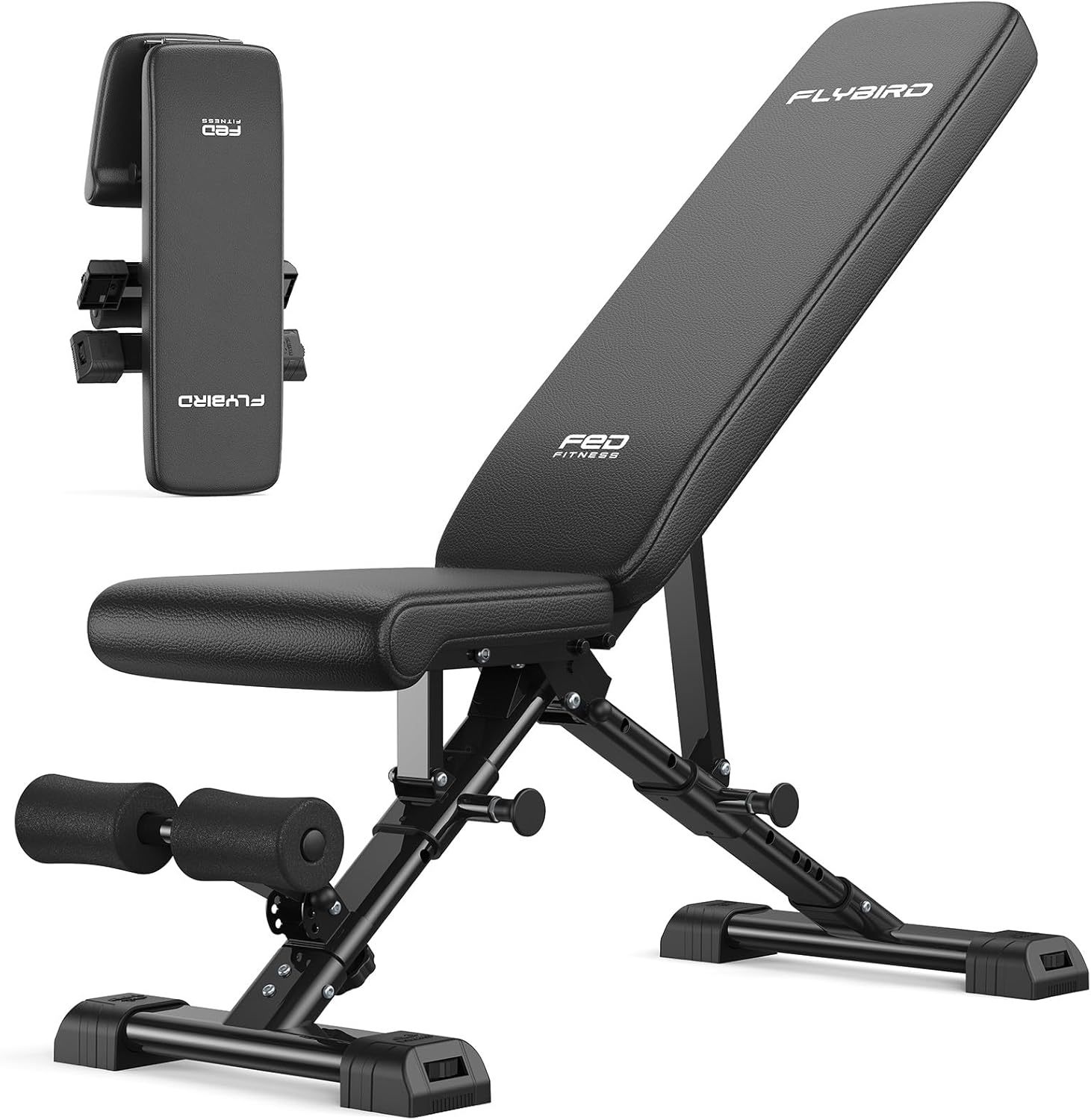
Adjustable Benches
An adjustable bench turns a pair of dumbbells into a full-body program — flat, incline, decline, and shoulder press all from one piece of equipment.
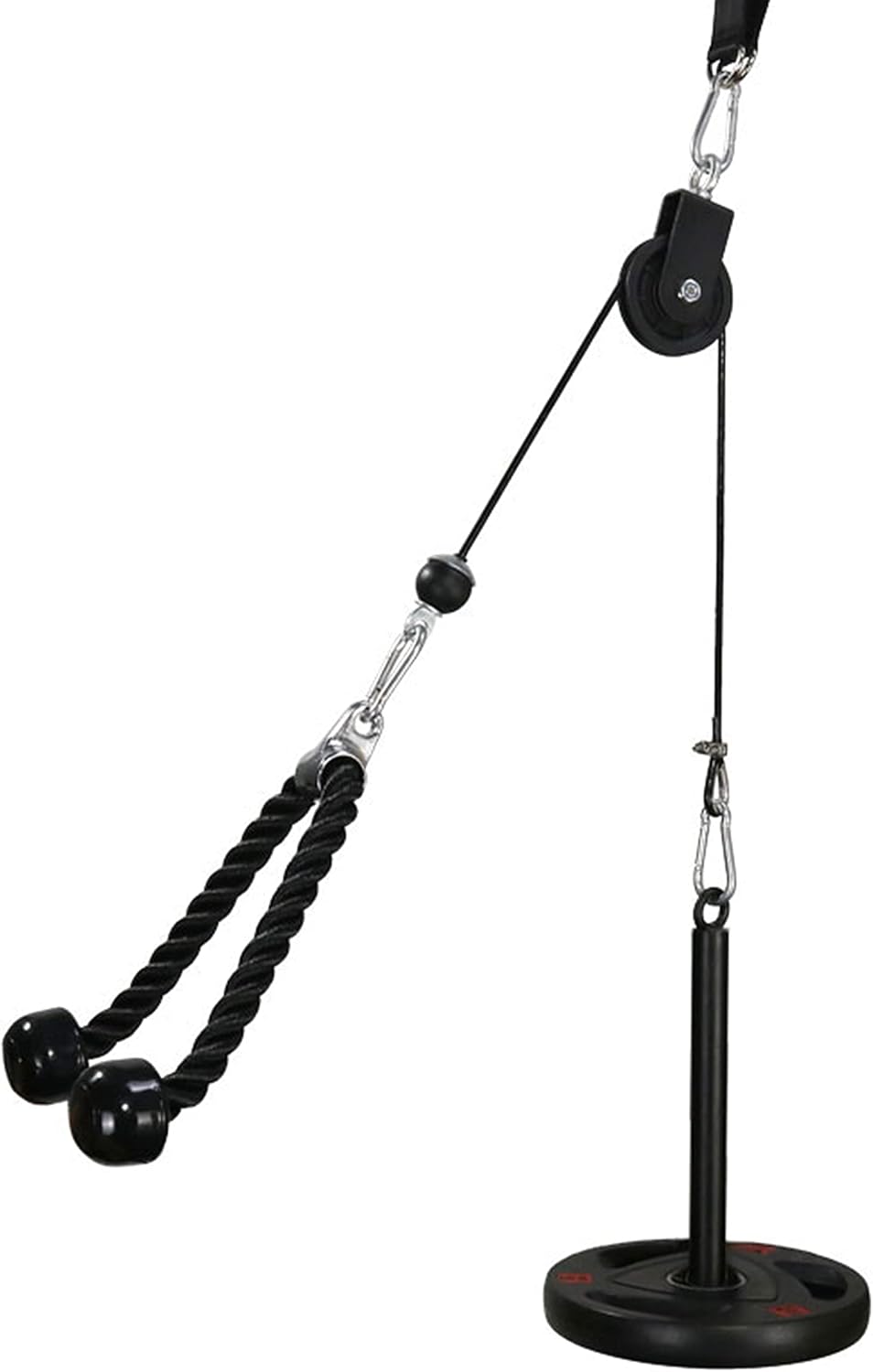
Cable Pulley Systems
A cable pulley system brings the gym's most versatile machine into your garage or door frame for under fifty dollars.
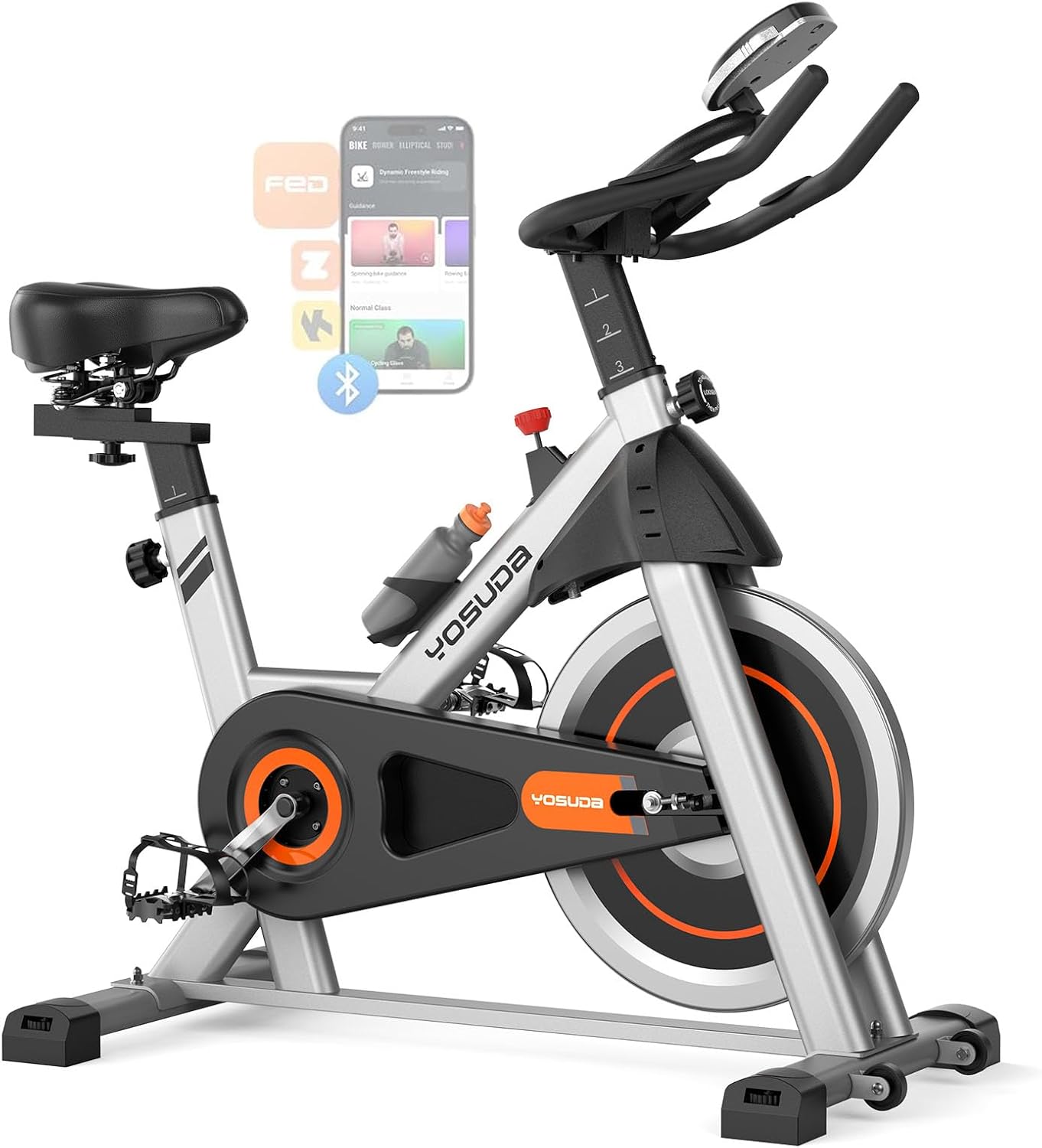
Exercise Bikes
A stationary exercise bike is the lowest-barrier cardio equipment you can own — quiet, low-impact, and usable regardless of weather.
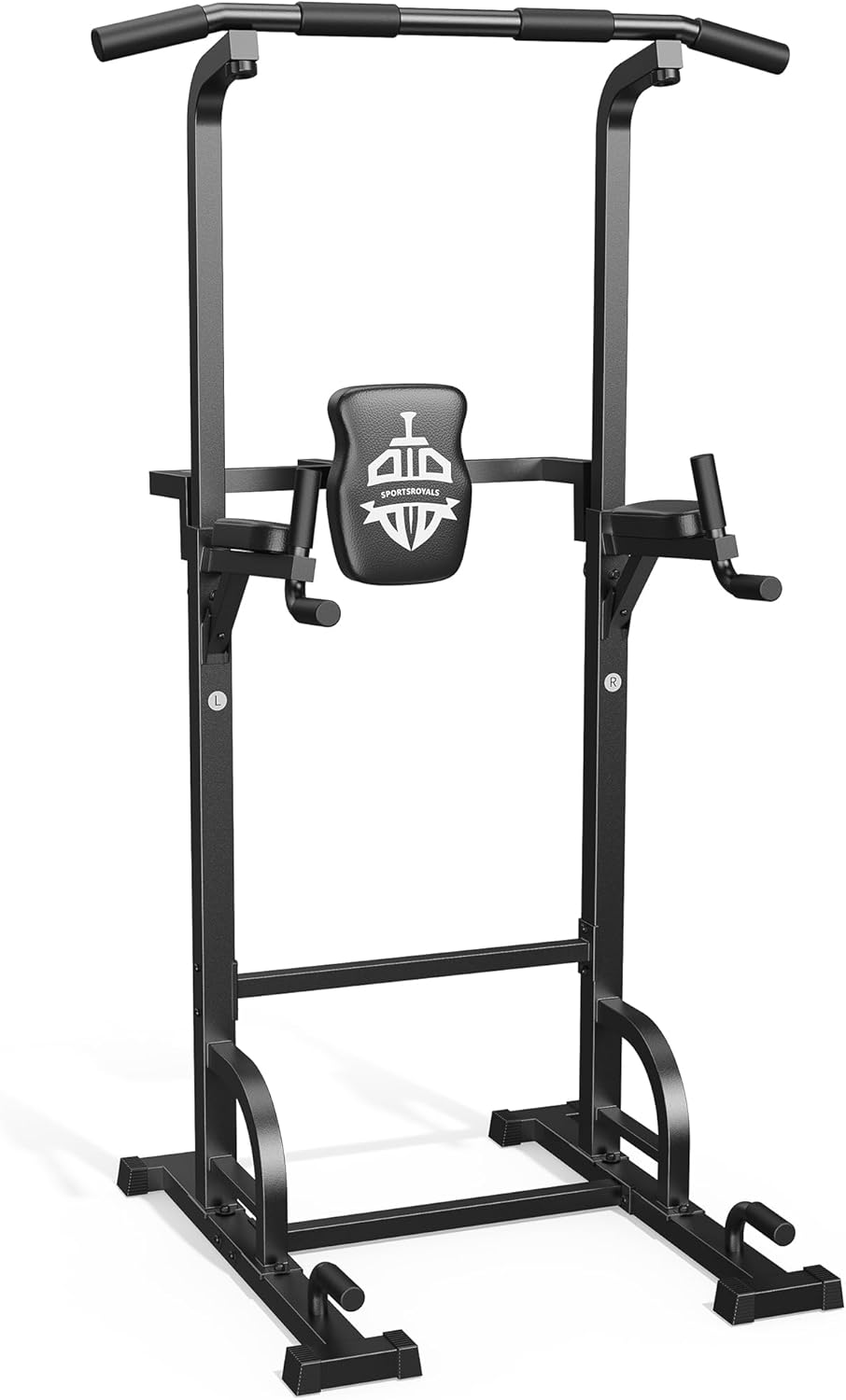
Power Towers
A power tower combines pull-ups, dips, knee raises, and push-ups into one freestanding station — the bodyweight equivalent of a full cable machine.
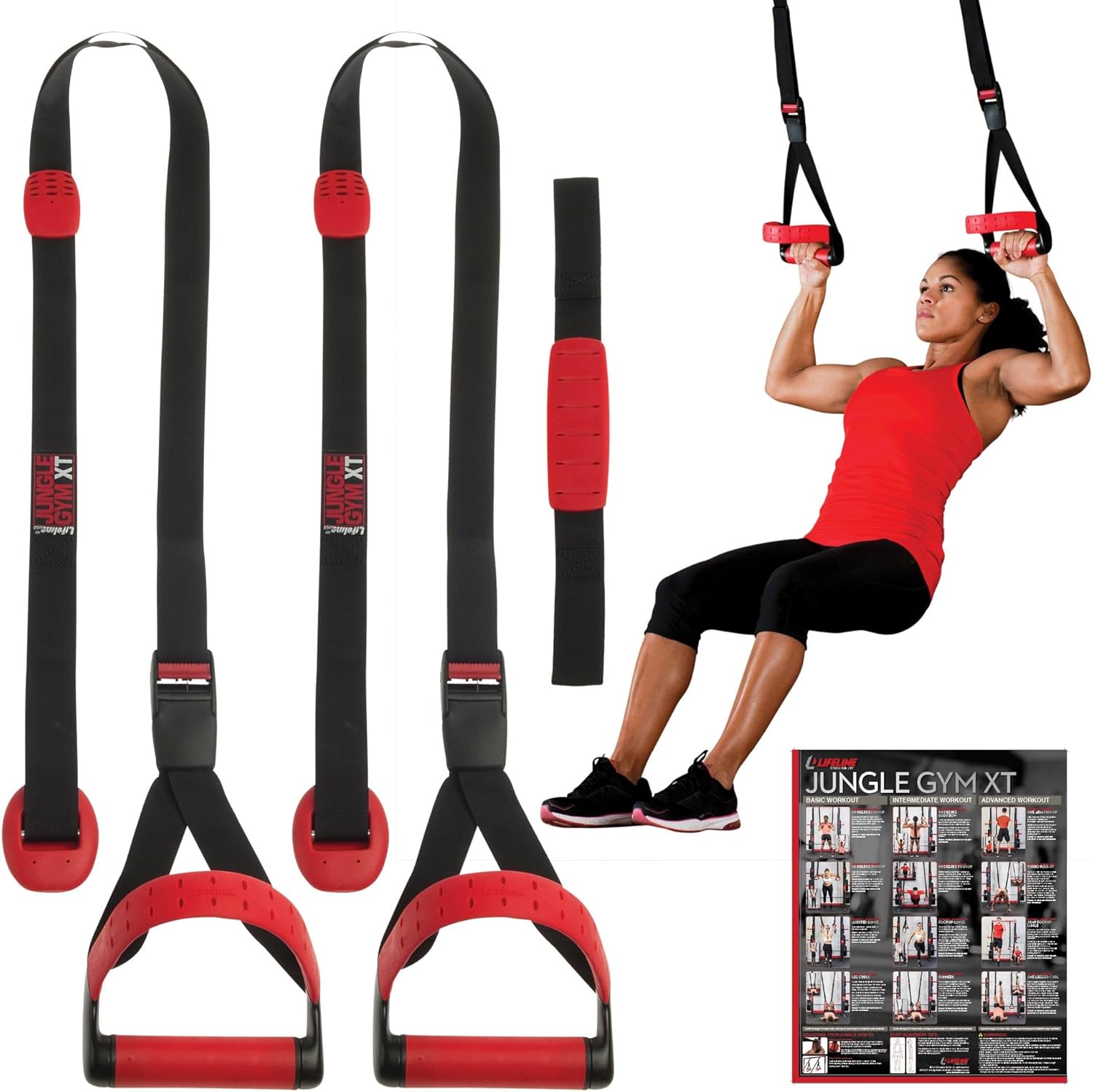
Suspension Trainers
Suspension trainers turn your body weight and a door anchor into a complete gym — rows, push-ups, pistol squats, core work, and dozens of progressions all from two adjustable straps.
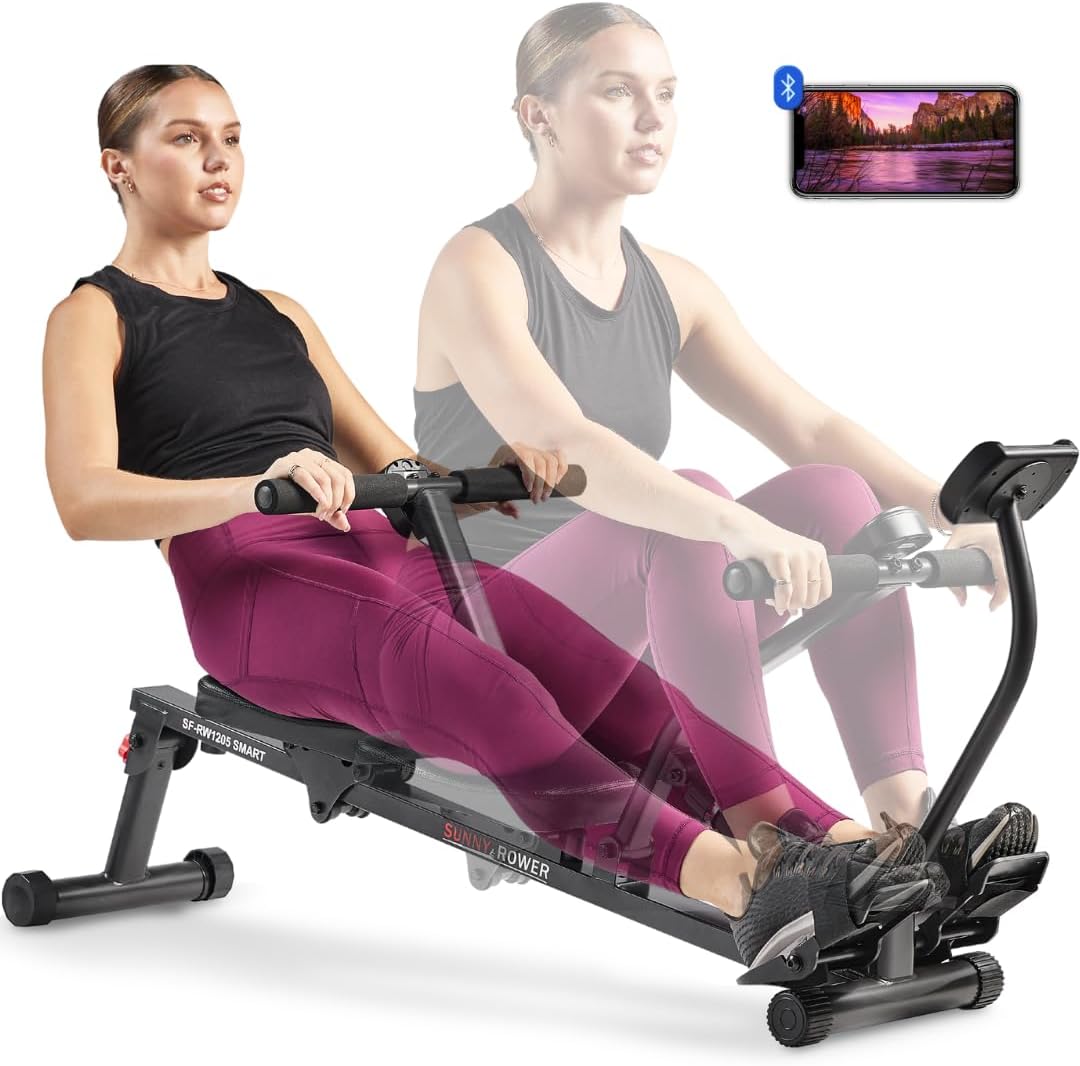
Rowing Machines
A rowing machine is the closest thing to a full-body cardio session in one piece of equipment — legs, back, core, and arms all trained at once, all low-impact.
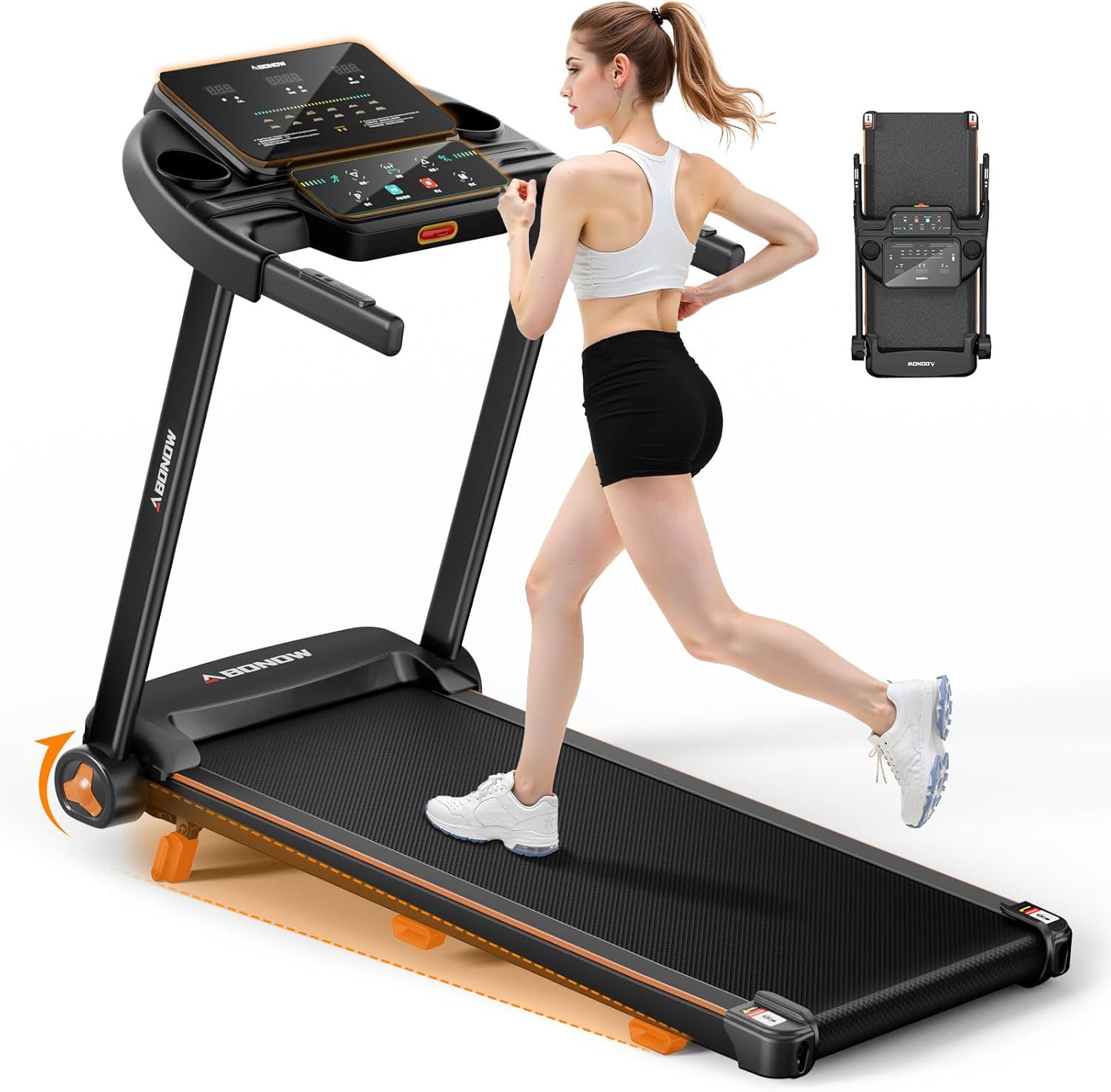
Treadmills
A home treadmill turns weather, daylight, and commute time into non-issues for keeping a running or walking habit alive.
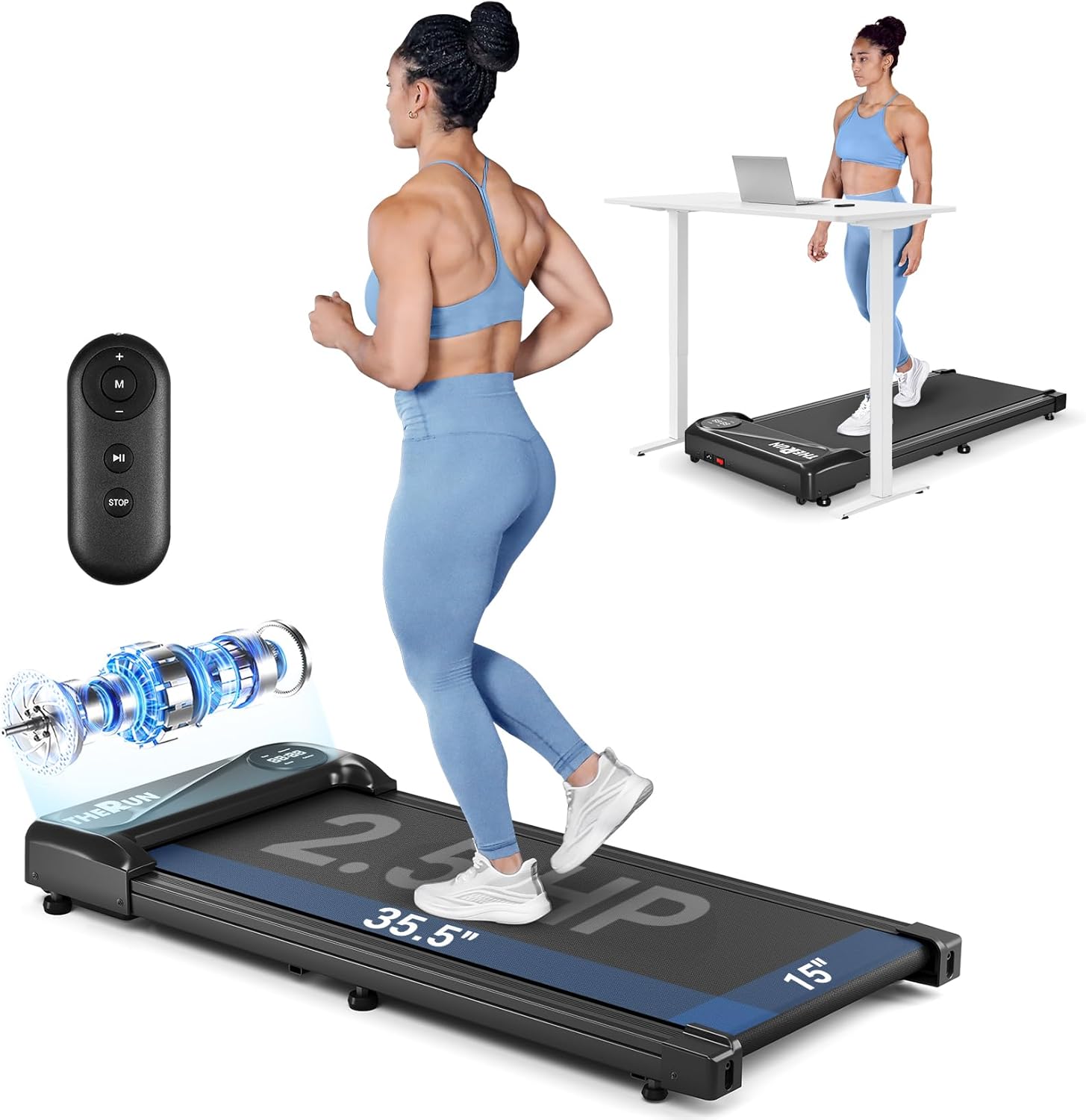
Walking Pads
A walking pad is a treadmill stripped to the essentials — low deck, quiet motor, small footprint, built for walking meetings and standing-desk breaks rather than runs.
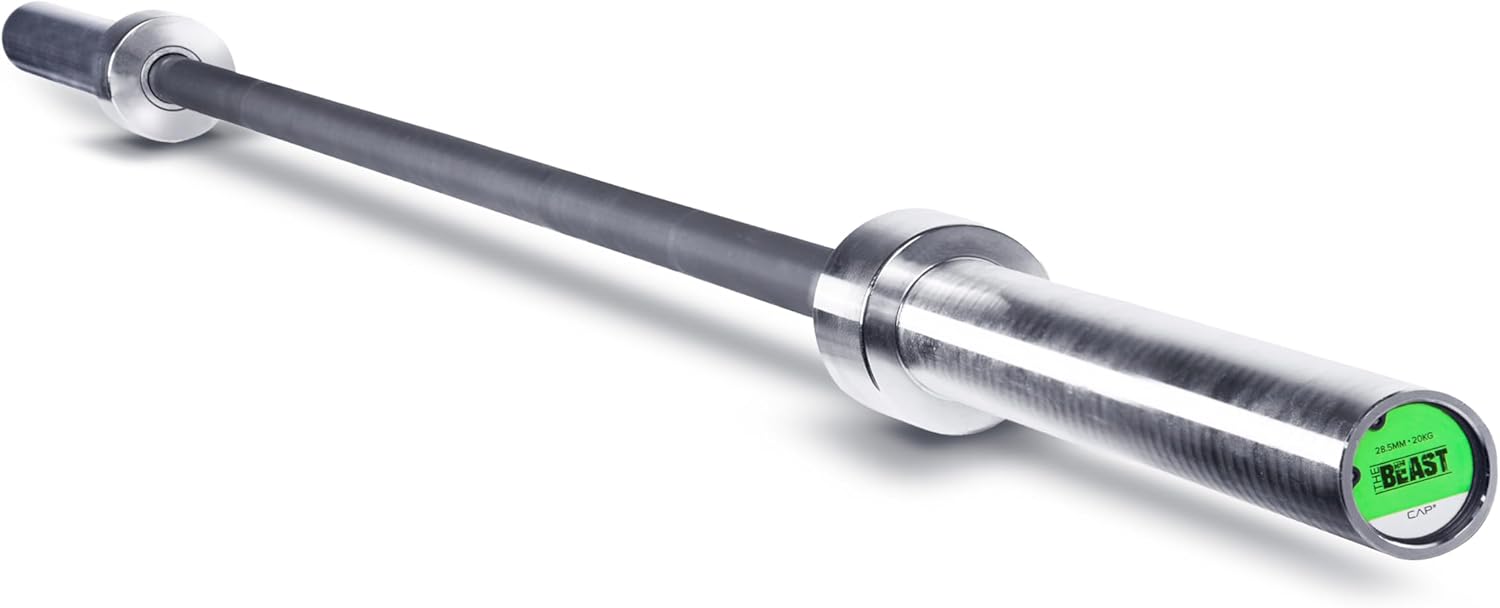
Olympic Barbells
A 7-foot Olympic barbell is the single most productive piece of strength equipment you can buy — squat, deadlift, bench, press, and row all from the same bar.
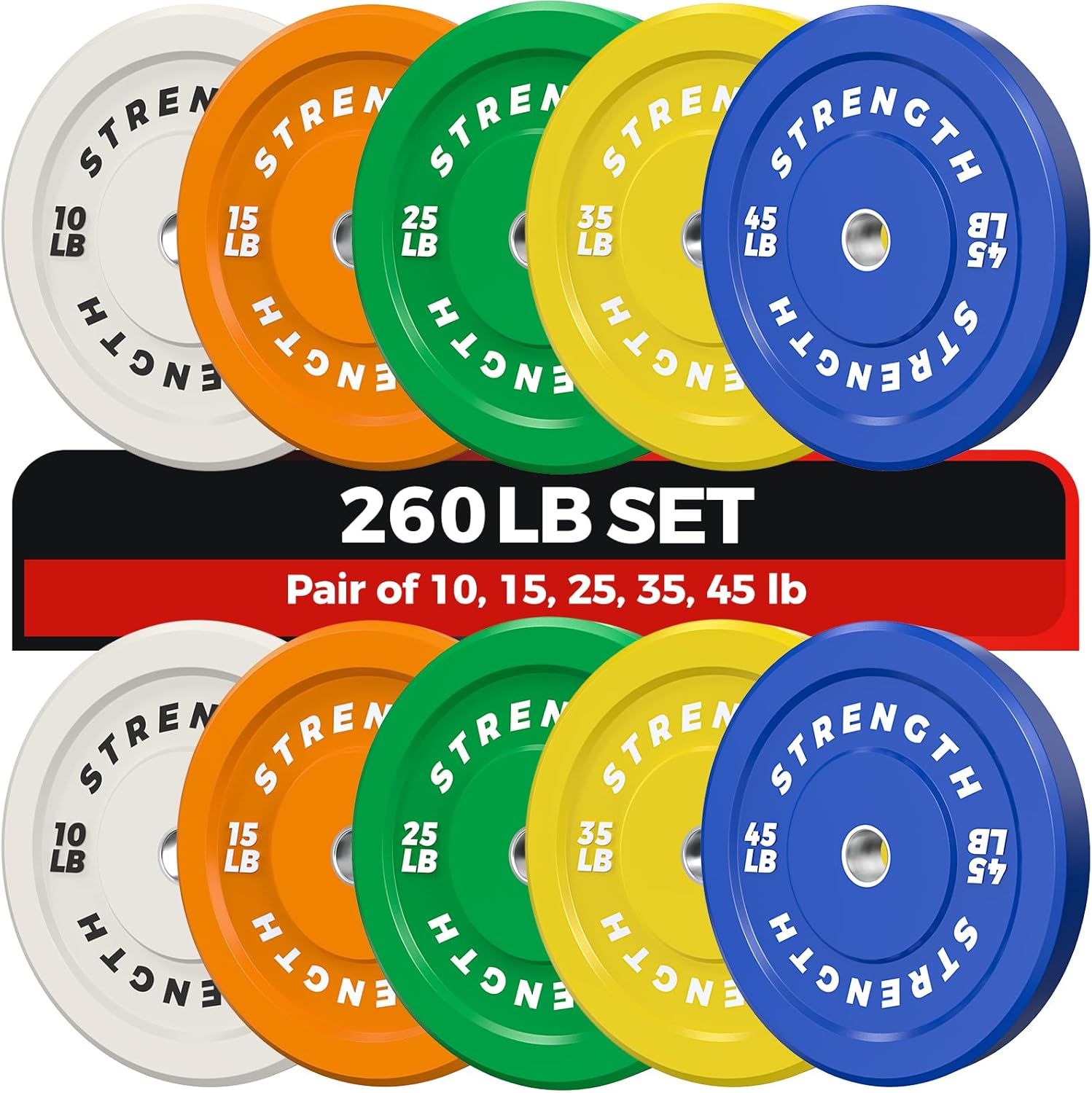
Olympic Weight Plates
Olympic bumper plates pair with your barbell to unlock real progressive strength training — the same plates you see in any commercial gym, sized for a 2-inch sleeve.
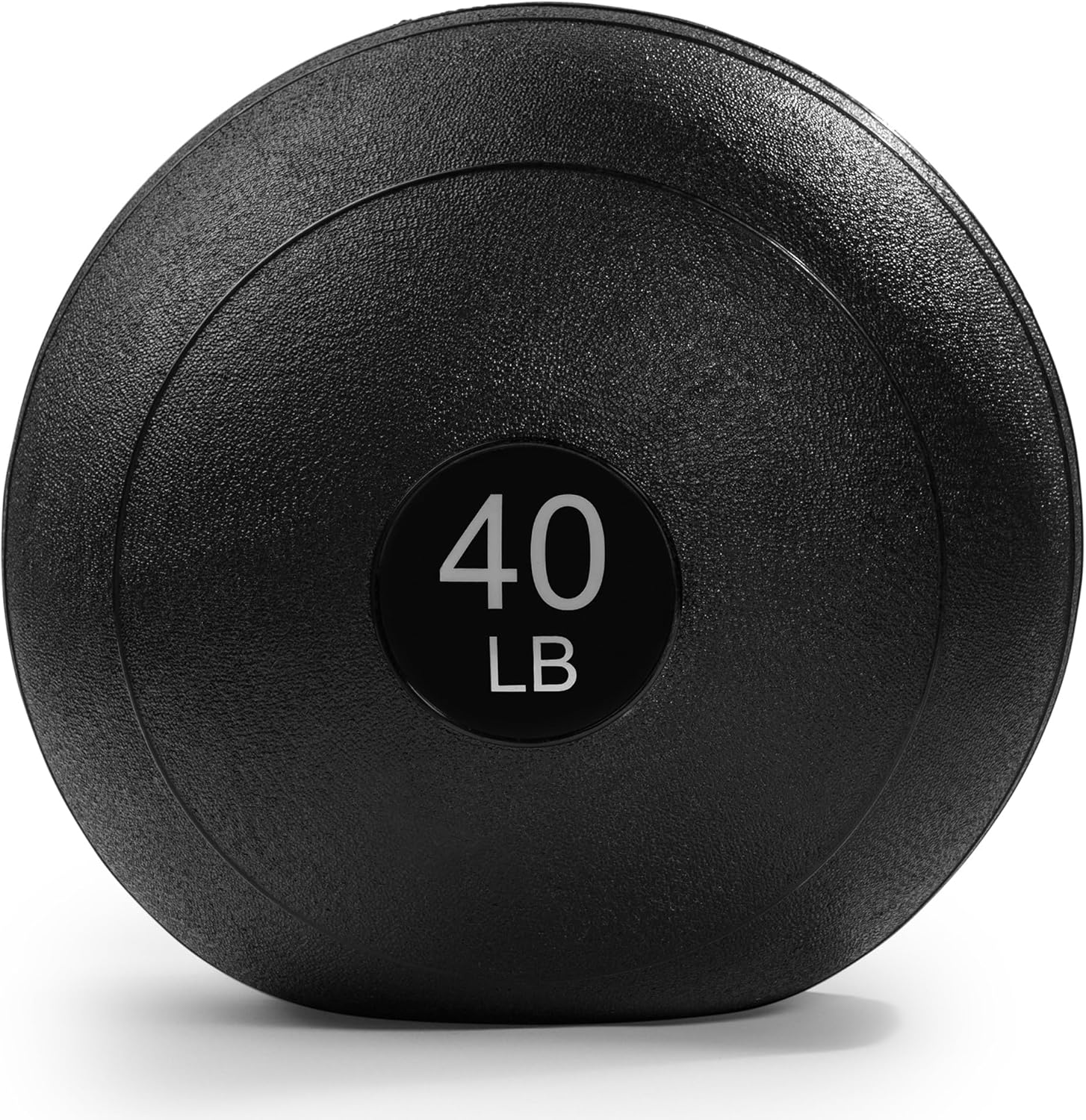
Slam Balls
A slam ball is the most versatile conditioning tool under fifty dollars — wall throws, overhead slams, Russian twists, thrusters, and squat-to-press circuits all from one piece of sand-filled rubber.
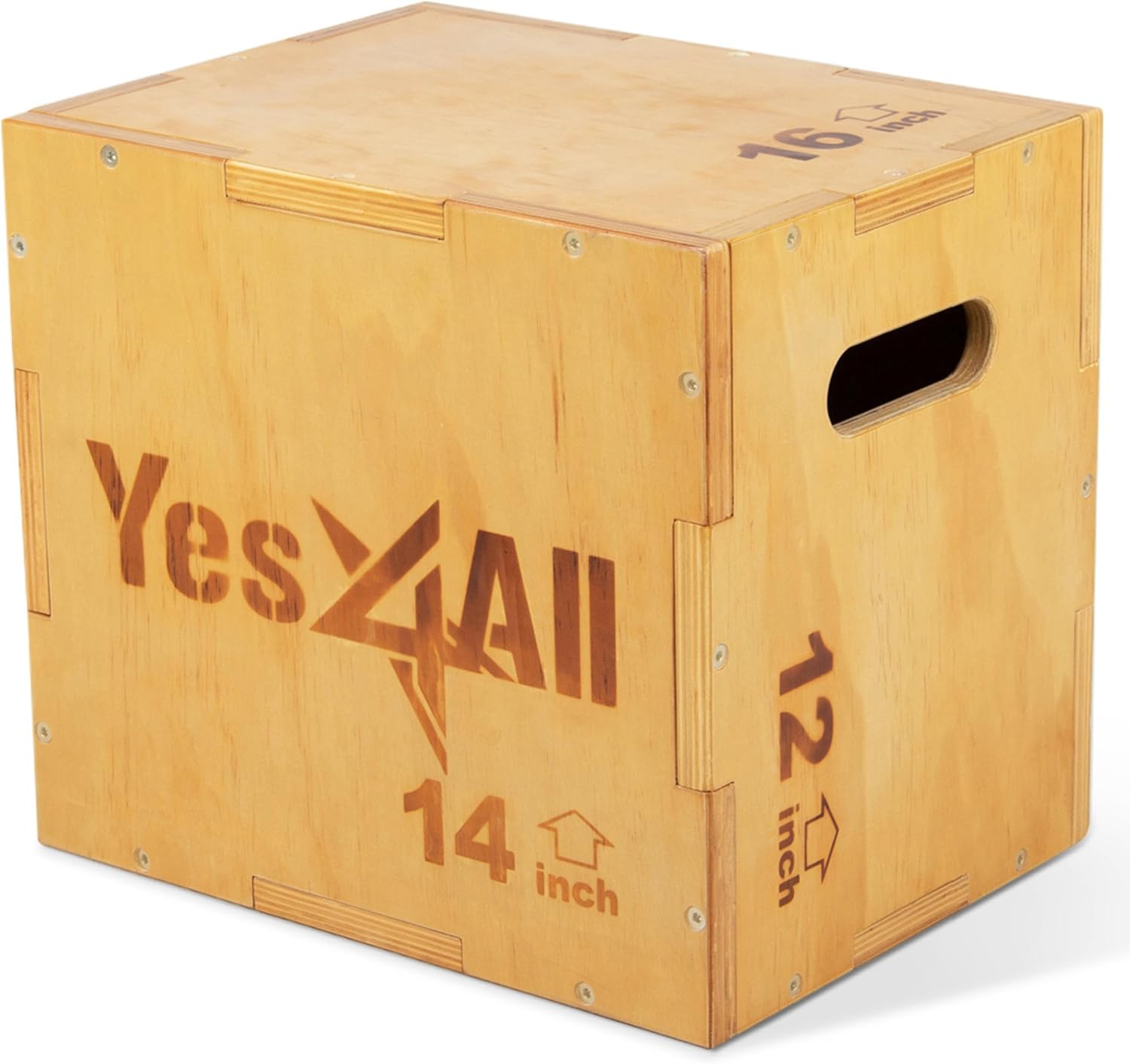
Plyo Boxes
A plyo box unlocks box jumps, step-ups, incline push-ups, dips, and Bulgarian split squats — four or five movements from one piece of equipment.
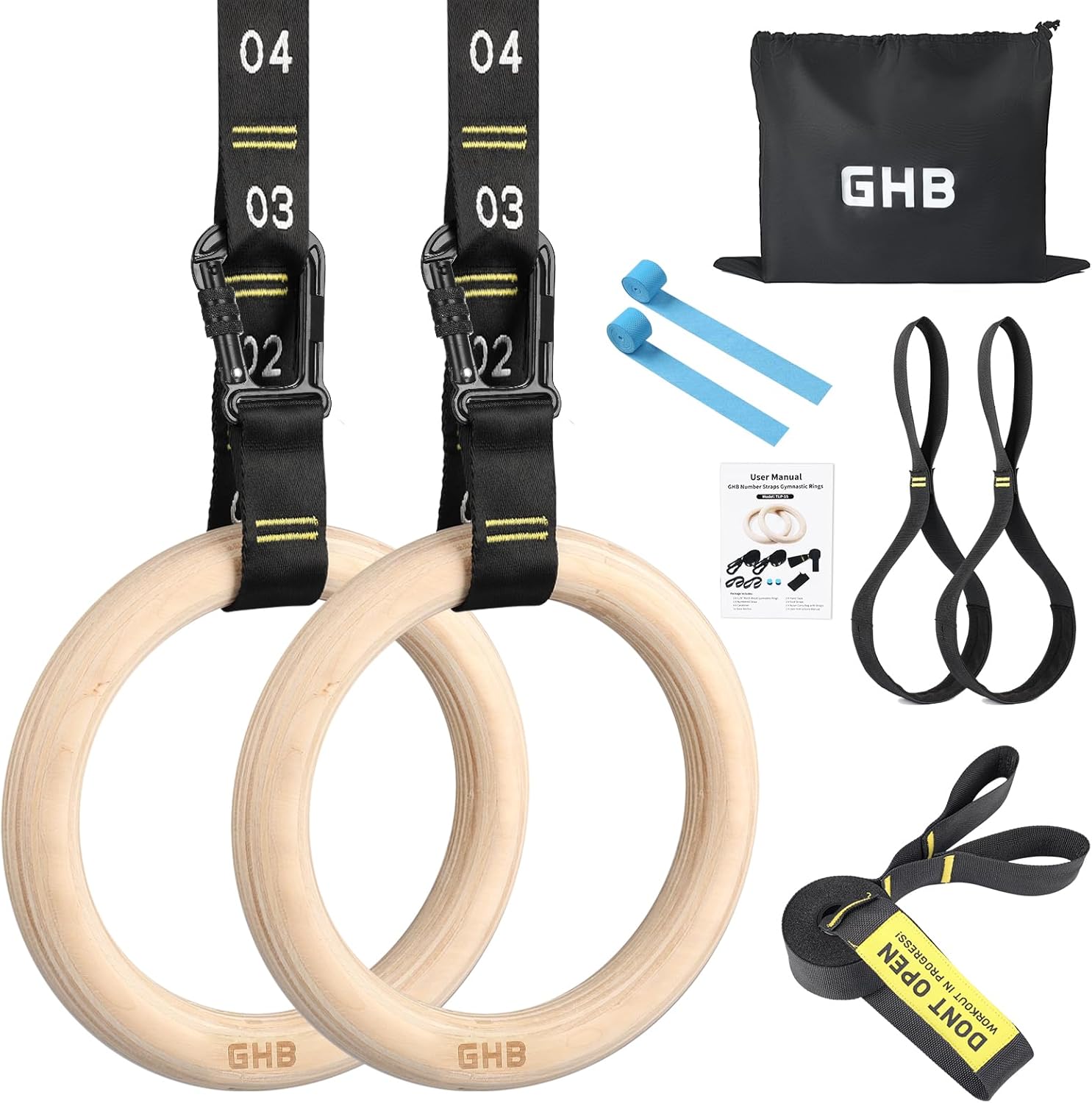
Gymnastic Rings
Gymnastic rings are the hardest bodyweight training tool that still fits in a backpack — ring dips, muscle-ups, ring rows, and Bulgarian ring push-ups all train stabilizers that fixed bars can't.
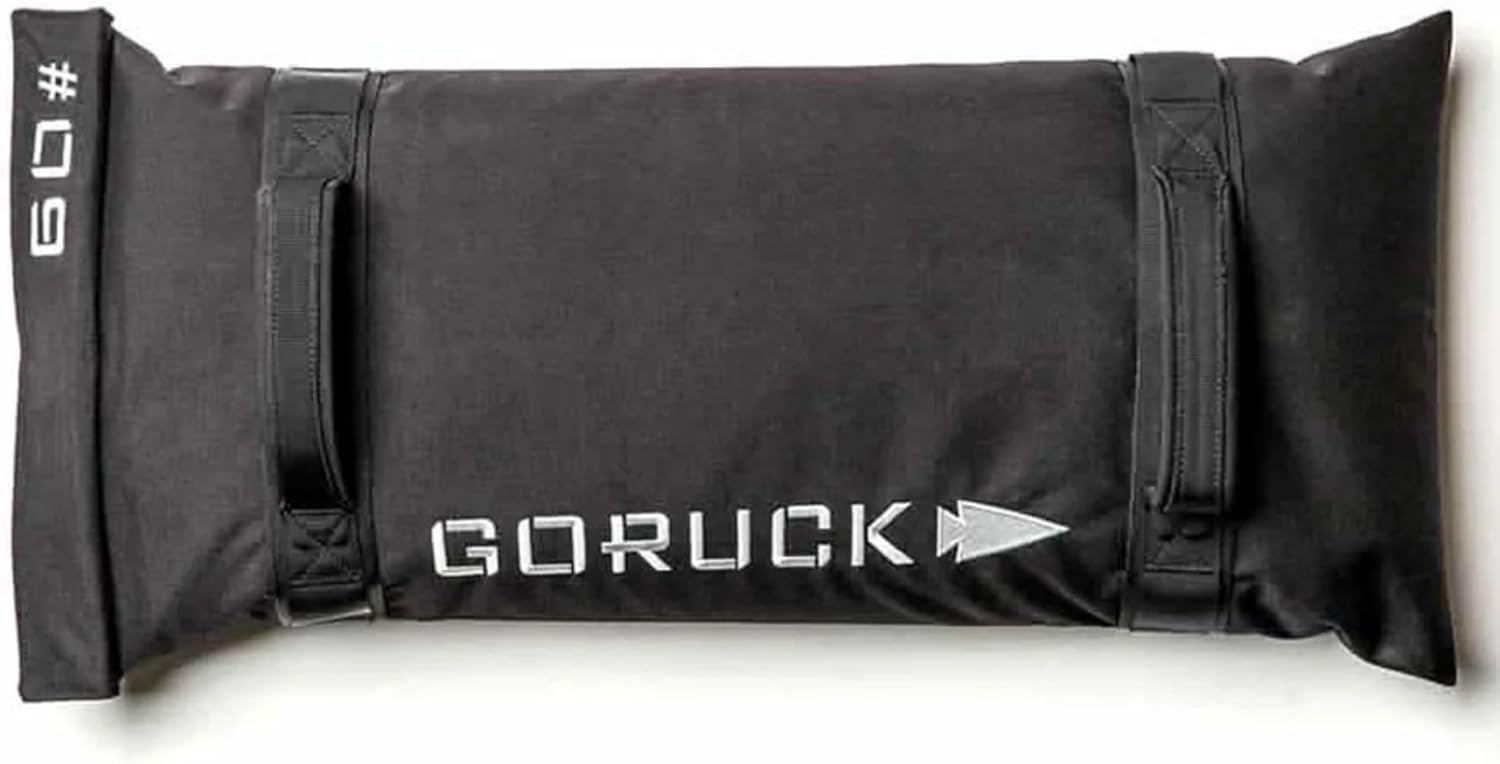
Training Sandbags
A training sandbag trains functional strength no barbell or dumbbell can match — the shifting internal load recruits stabilizers and grip in ways fixed weights never do.
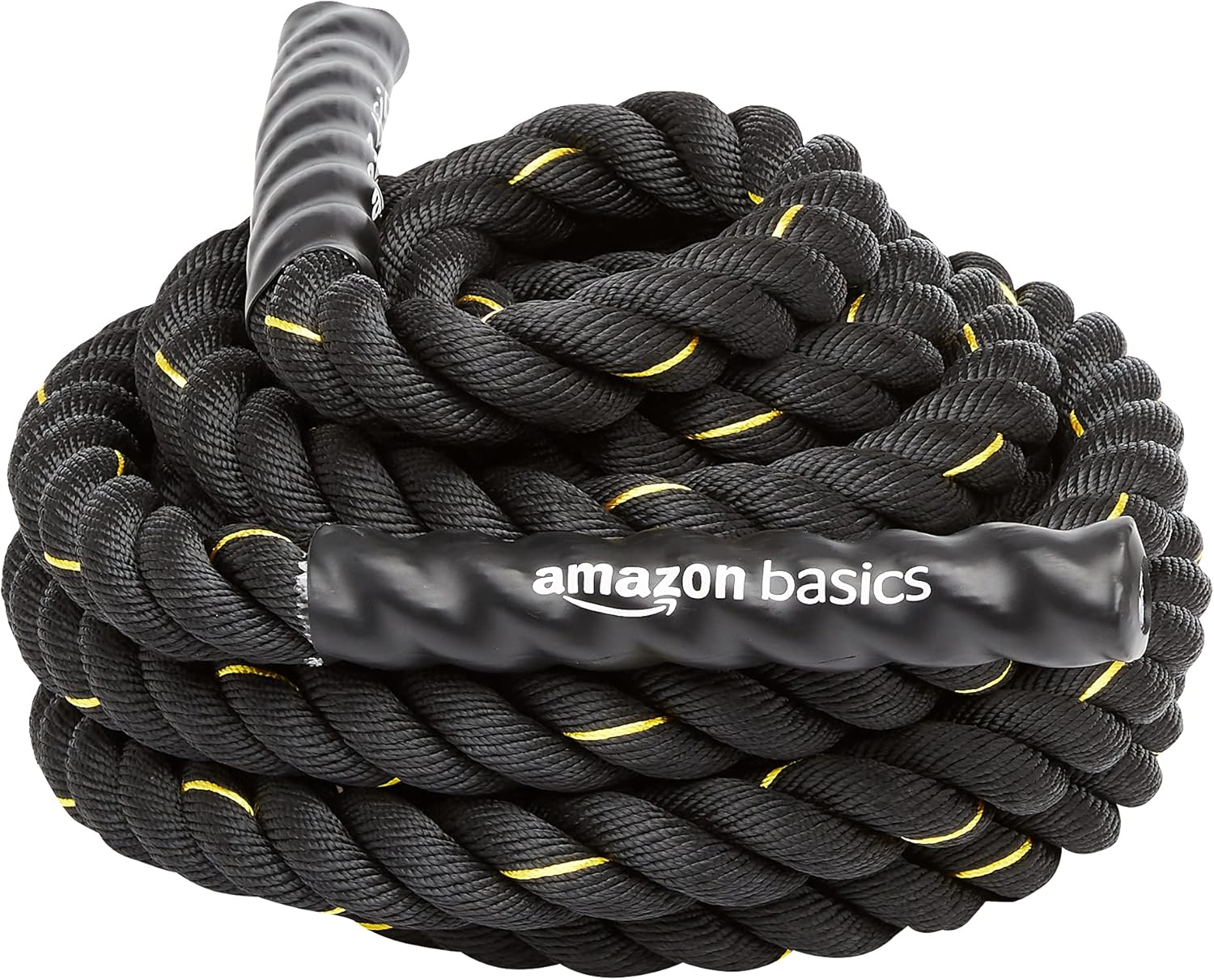
Battle Ropes
A battle rope is one of the highest-intensity conditioning tools you can own — thirty to fifty feet of heavy poly-dacron rope that produces total-body exhaustion in under ten minutes.
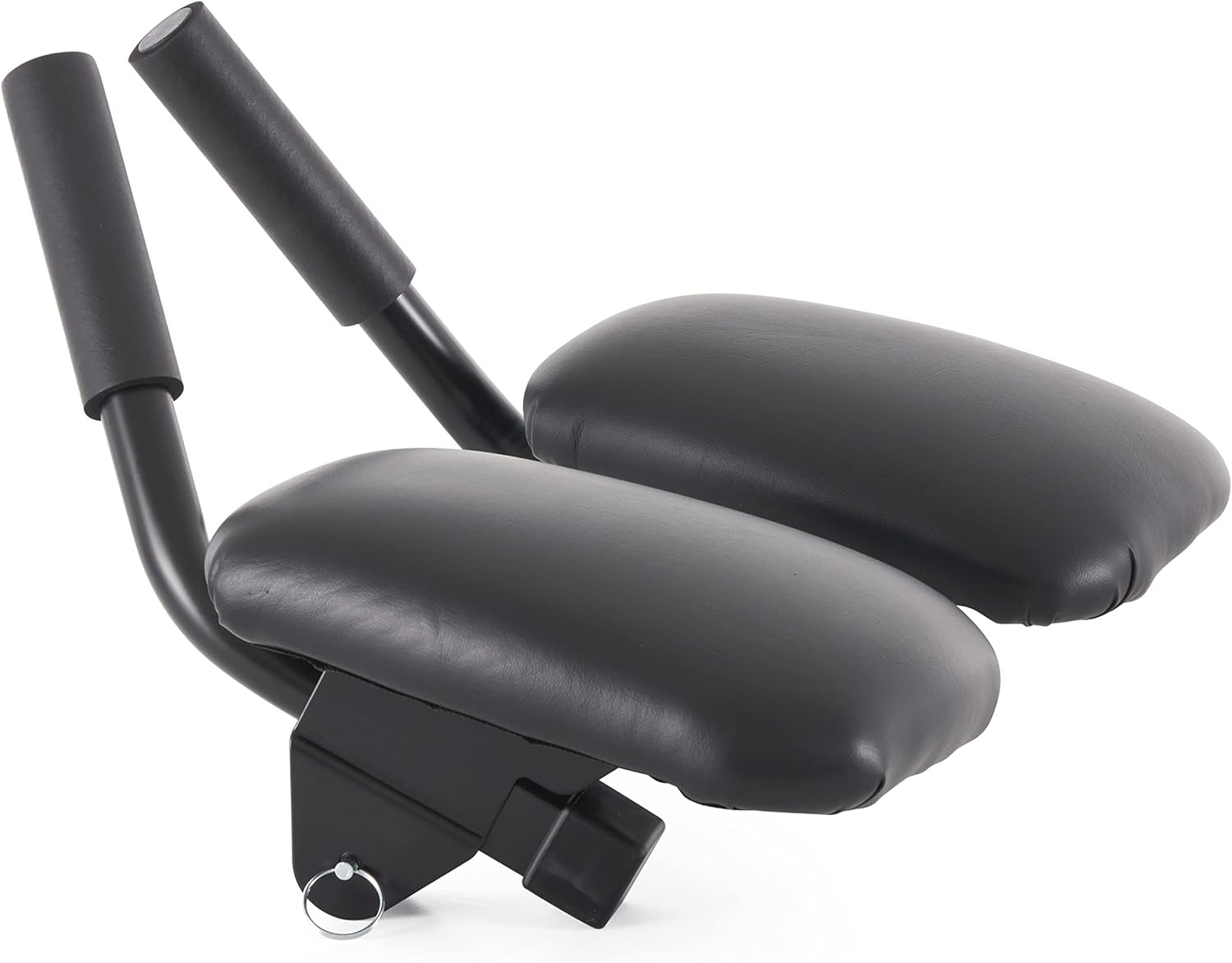
Home Gyms
An all-in-one home gym machine combines ten to fifteen exercises into a single footprint — cable stack, pulldown, chest press, leg extensions, and row all from one unit.
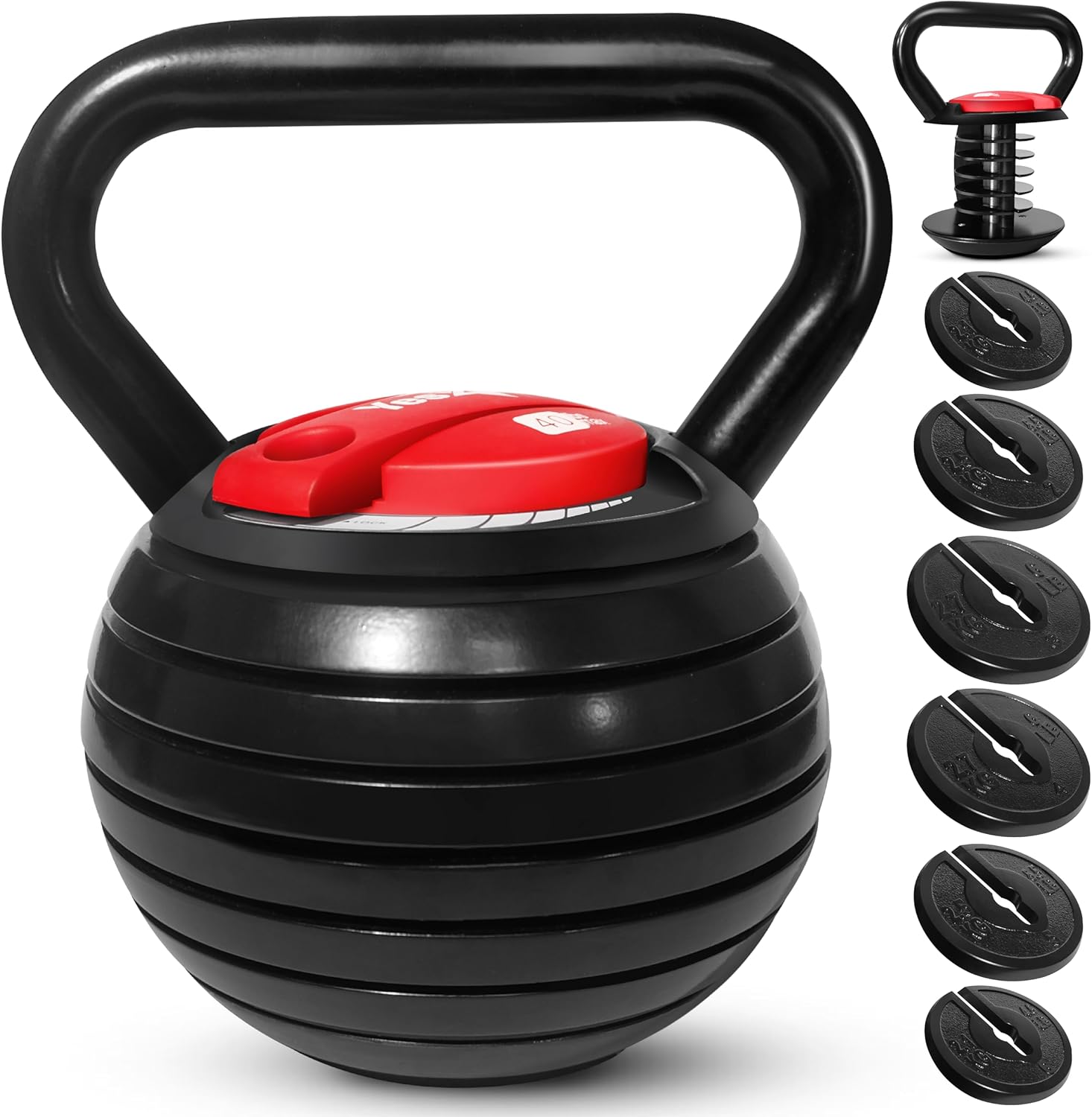
Adjustable Kettlebells
An adjustable kettlebell replaces an entire rack of fixed bells — spin a dial or swap plates to move from 10 to 70 pounds in one handle.
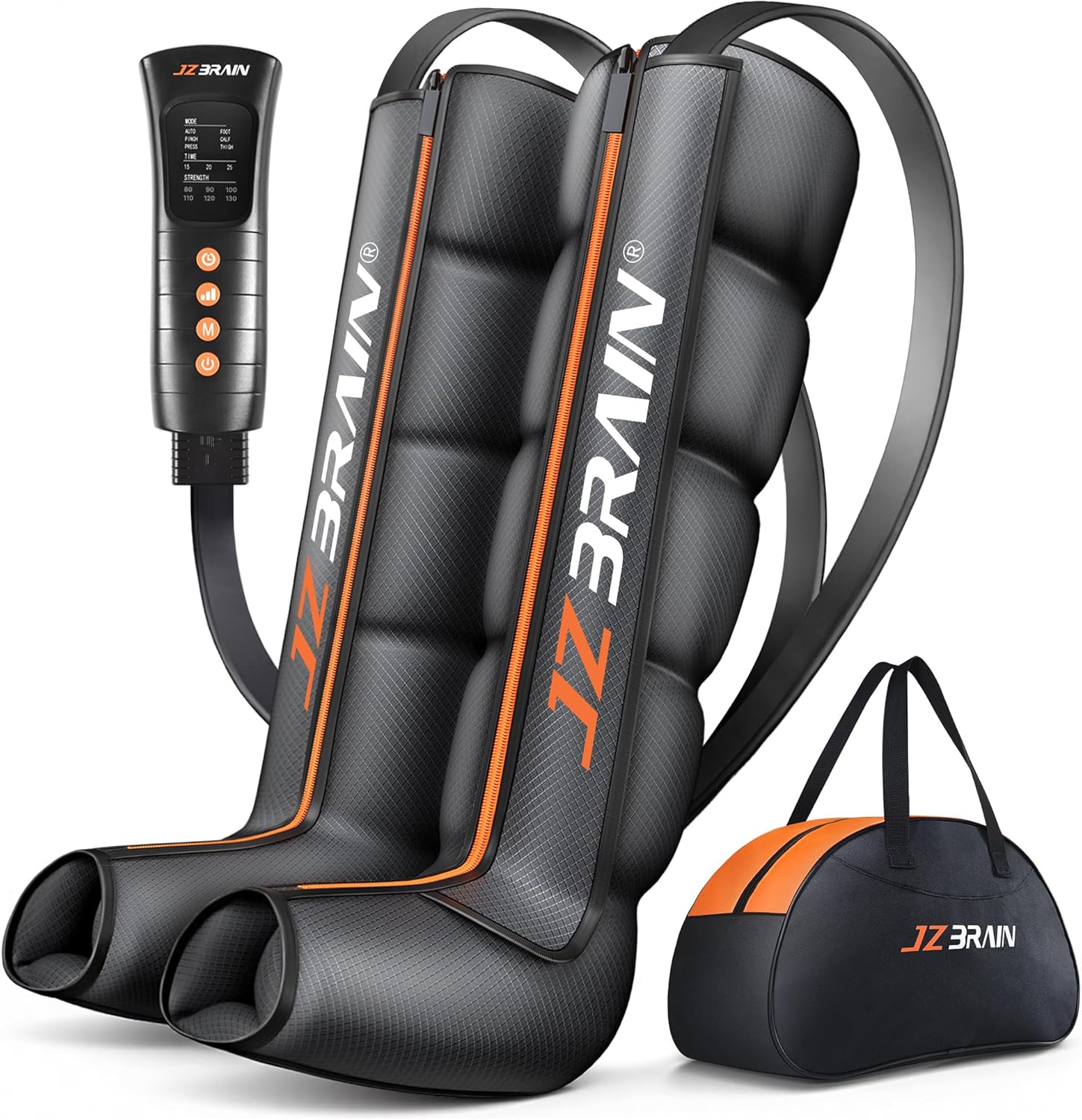
Compression Boots
Pneumatic compression boots deliver the post-workout leg-recovery treatment that used to be a pro-athlete-only luxury — sequential air chambers pushing blood and lymph back toward the heart.
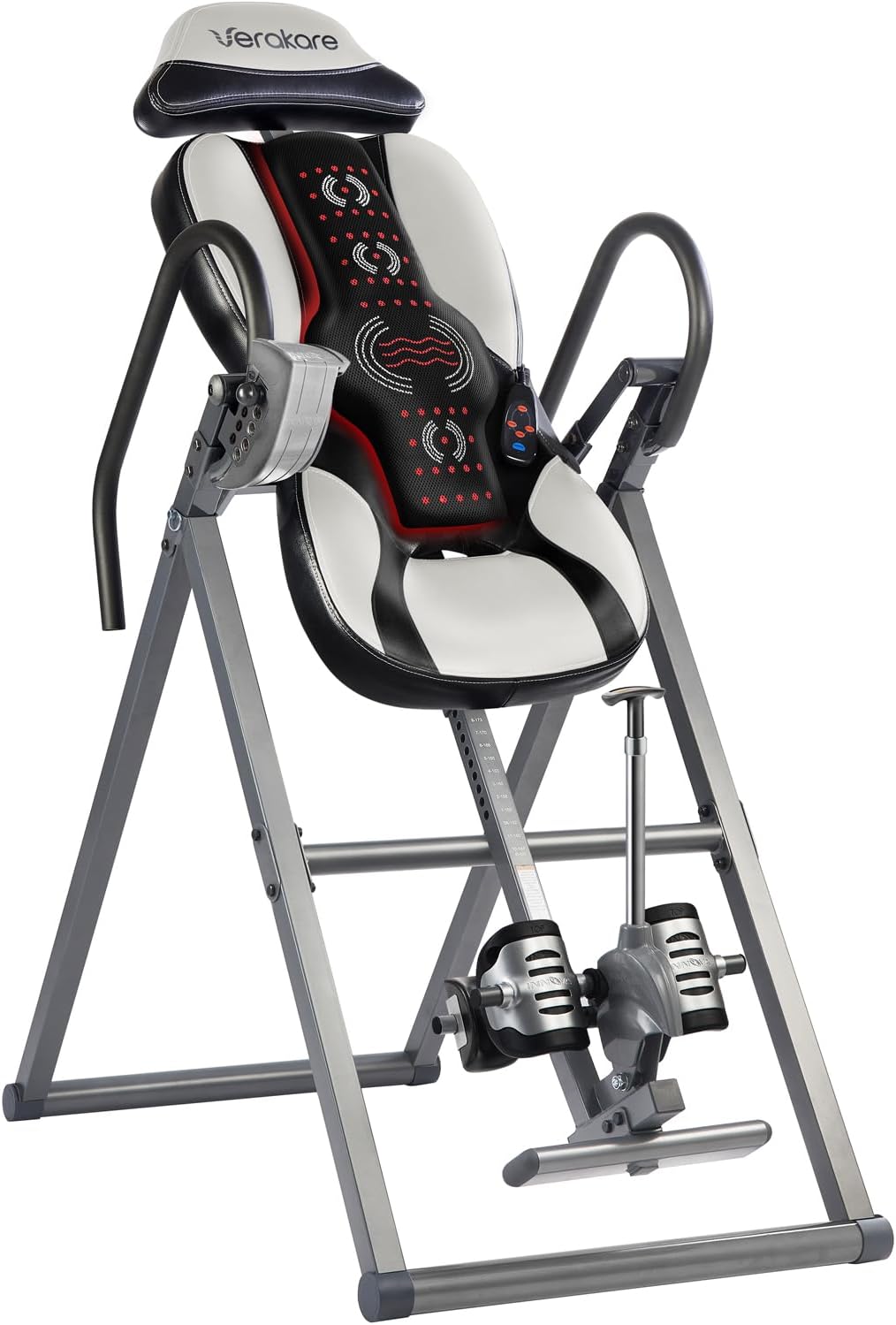
Inversion Tables
An inversion table decompresses the spine by using your body weight and gravity — hang upside down for five to ten minutes and years of compression get meaningfully relieved.
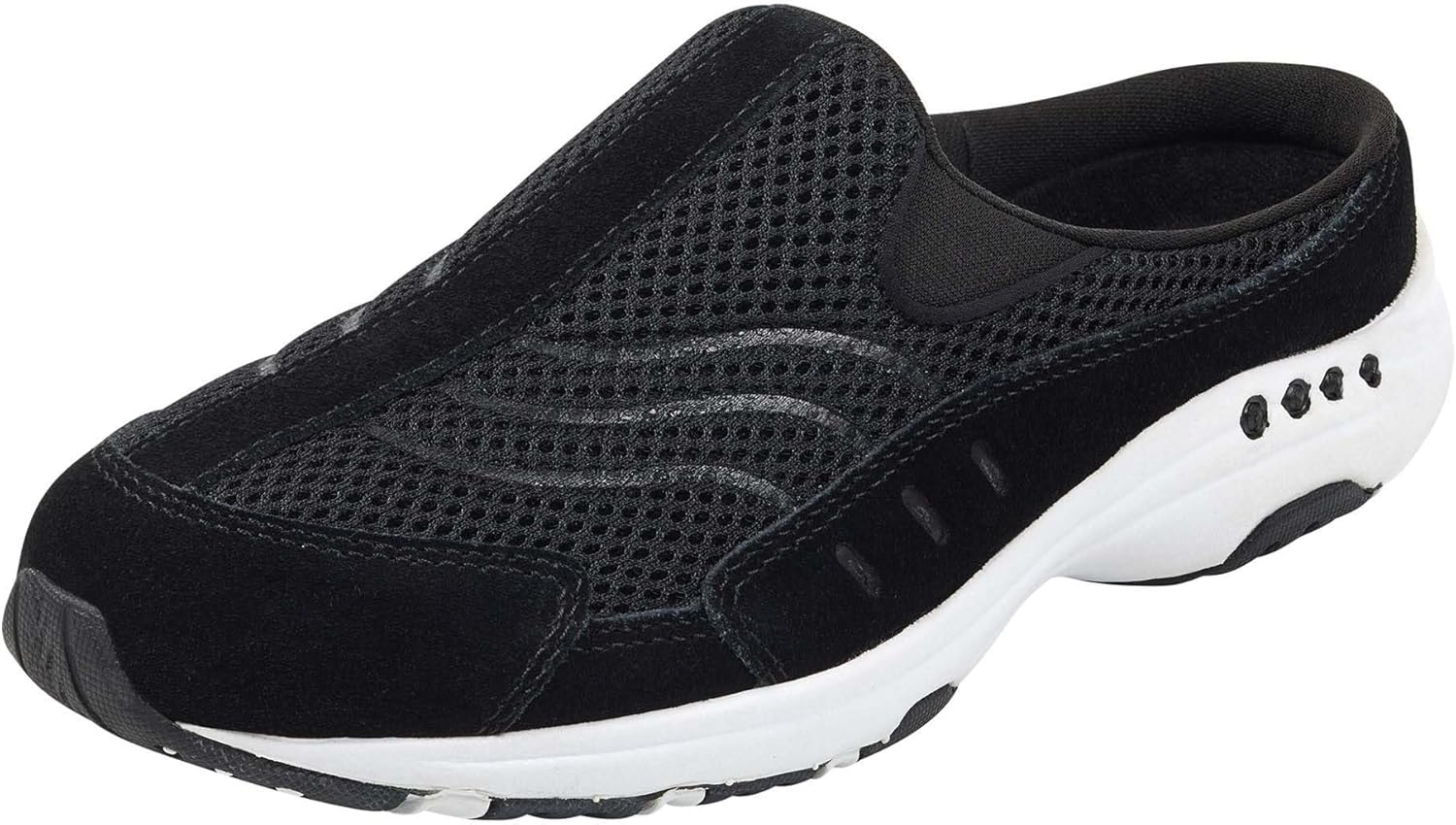
Recovery Sandals
A recovery sandal is the slip-on you wear after long runs, long shifts on your feet, or as your default post-workout shoe — thick EVA or orthotic foam that redistributes pressure off hot spots.
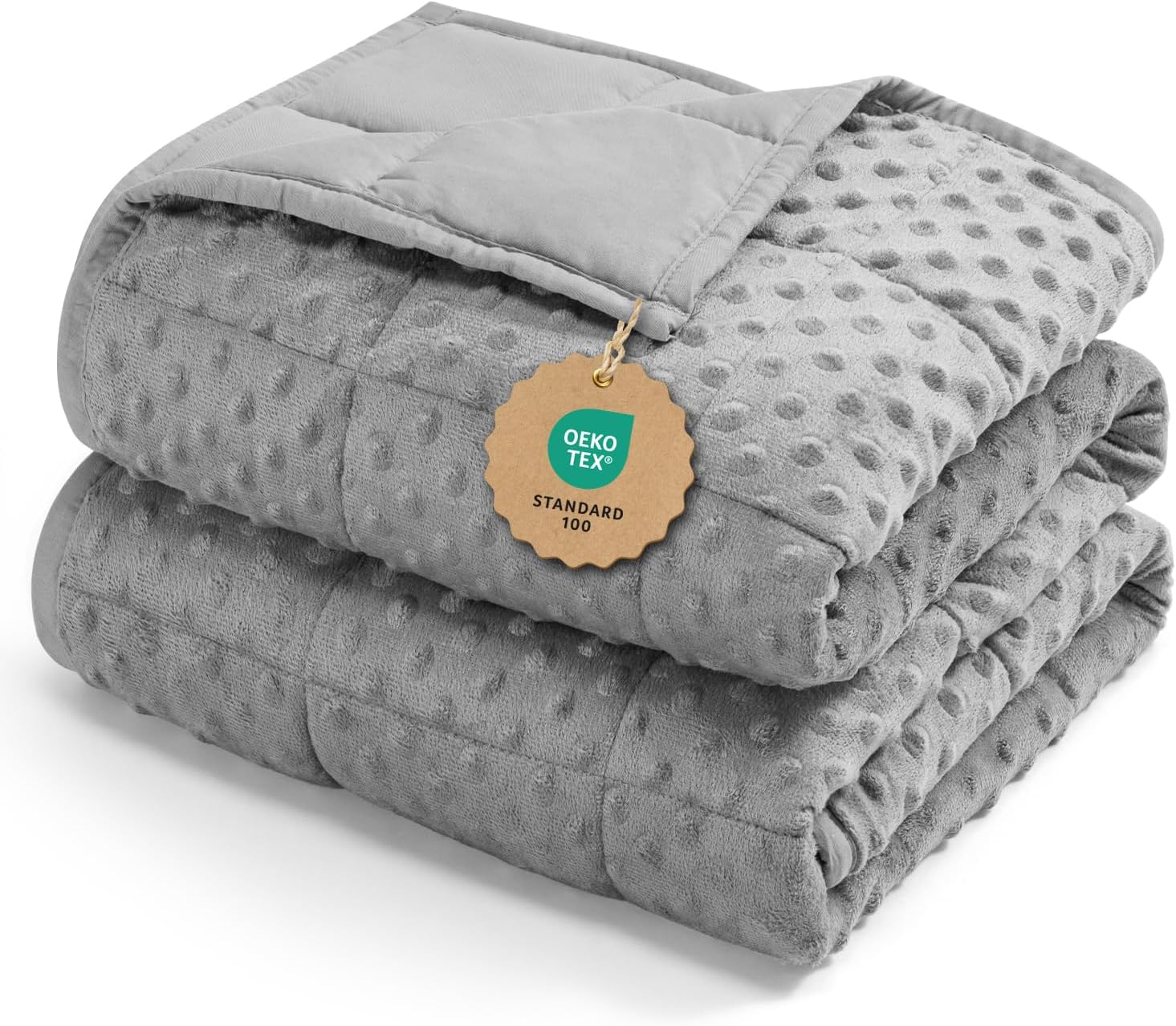
Weighted Blankets
A weighted blanket delivers deep-pressure stimulation that signals the nervous system to relax — it doesn't replace therapy or sleep hygiene, but for a lot of people it genuinely helps with anxiety and sleep onset.
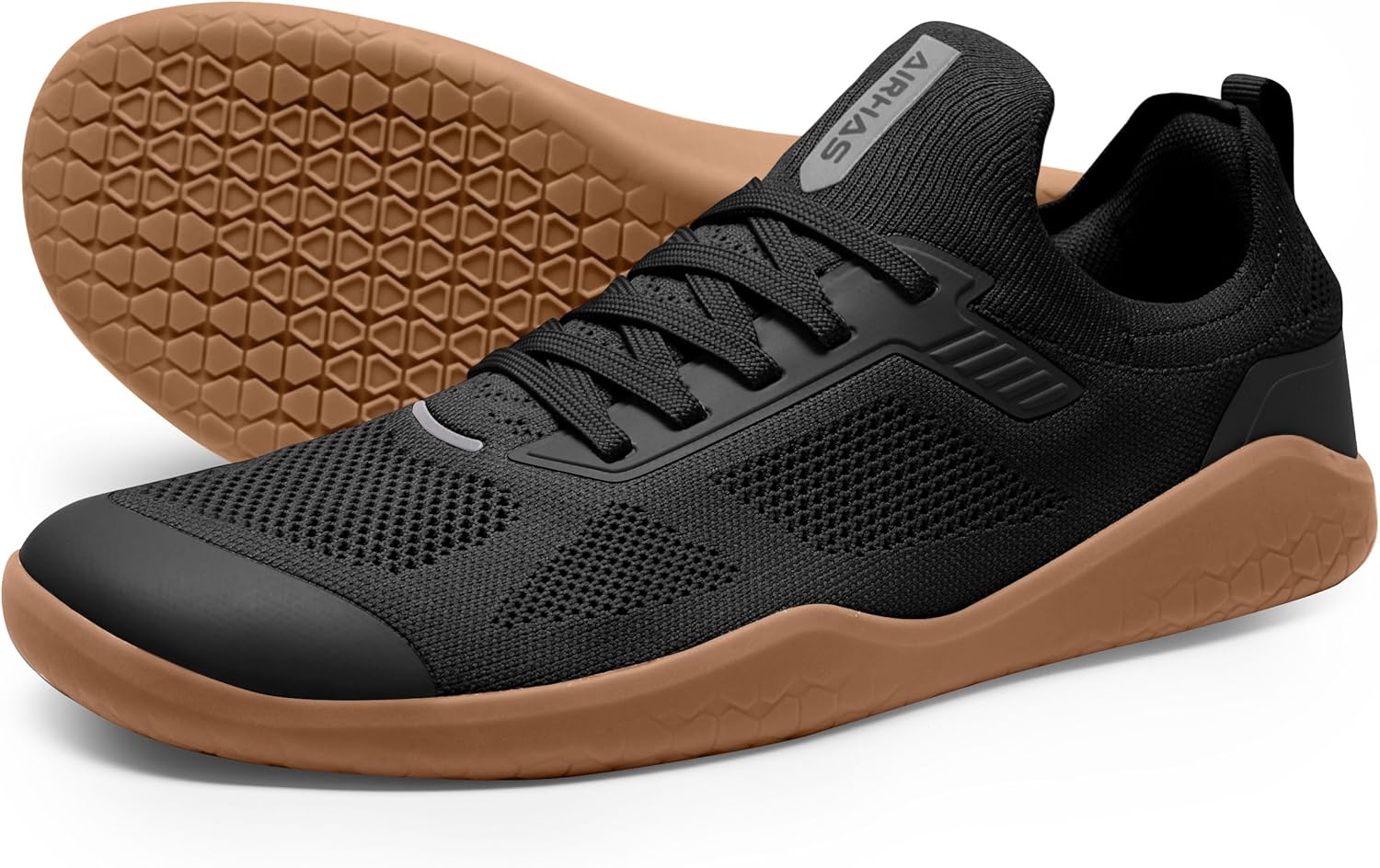
Barefoot Shoes
Barefoot shoes swap the thick heel-drop midsole of a typical sneaker for a zero-drop, flat, wide toe-box design that lets your foot work the way it evolved to.
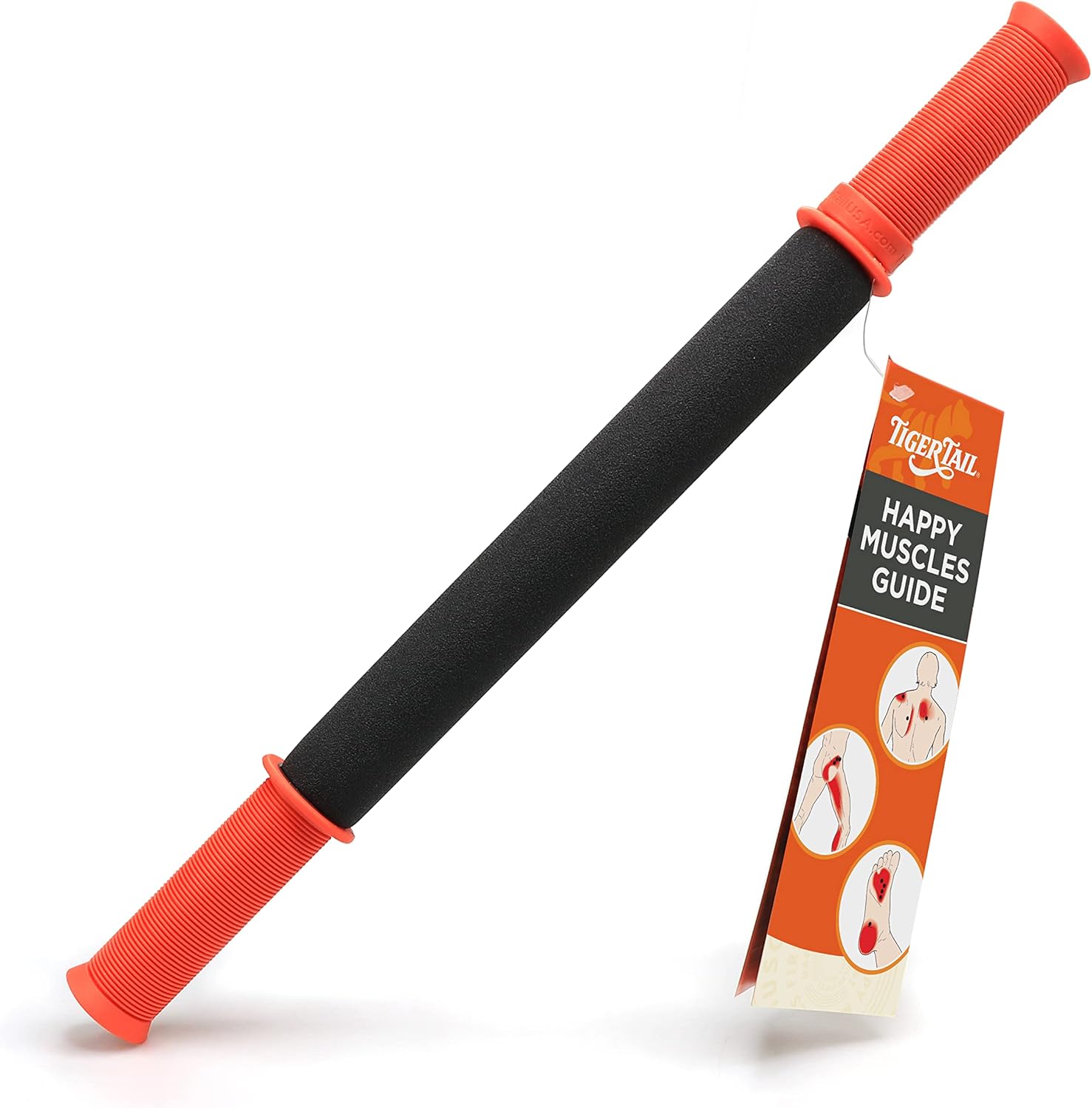
Massage Sticks
A massage stick is the cheapest, quietest, most portable recovery tool that still gets into knotty muscle — no batteries, no cord, just direct roller pressure you control with your own hands.
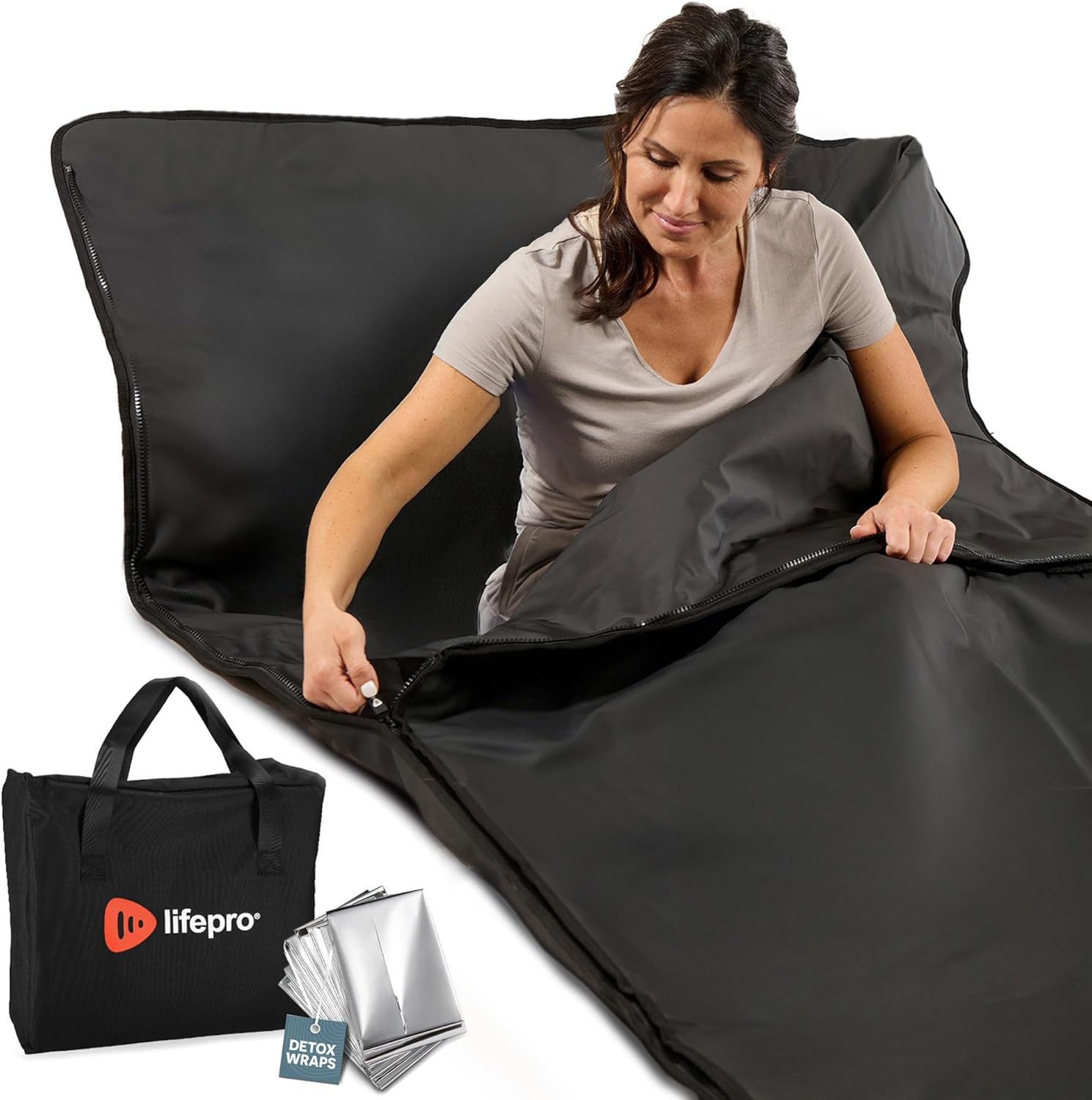
Sauna Blankets
A sauna blanket delivers the detox sweat and relaxation benefits of a traditional sauna for a fraction of the cost — infrared heating panels in a zip-up wrap you use on any flat surface.
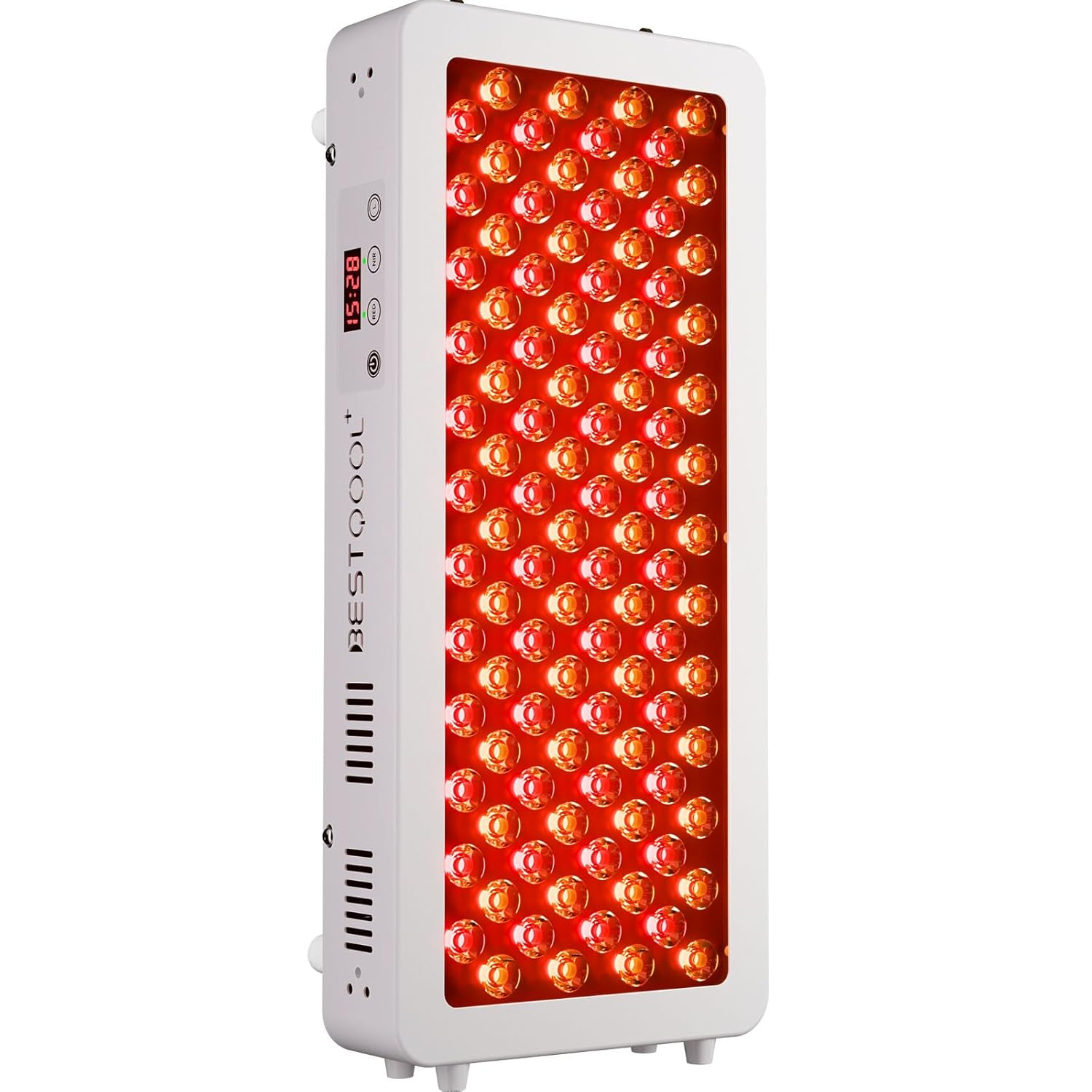
Red Light Therapy Panels
Red and near-infrared light therapy delivers targeted wavelengths that research links to skin, muscle, and joint recovery benefits.
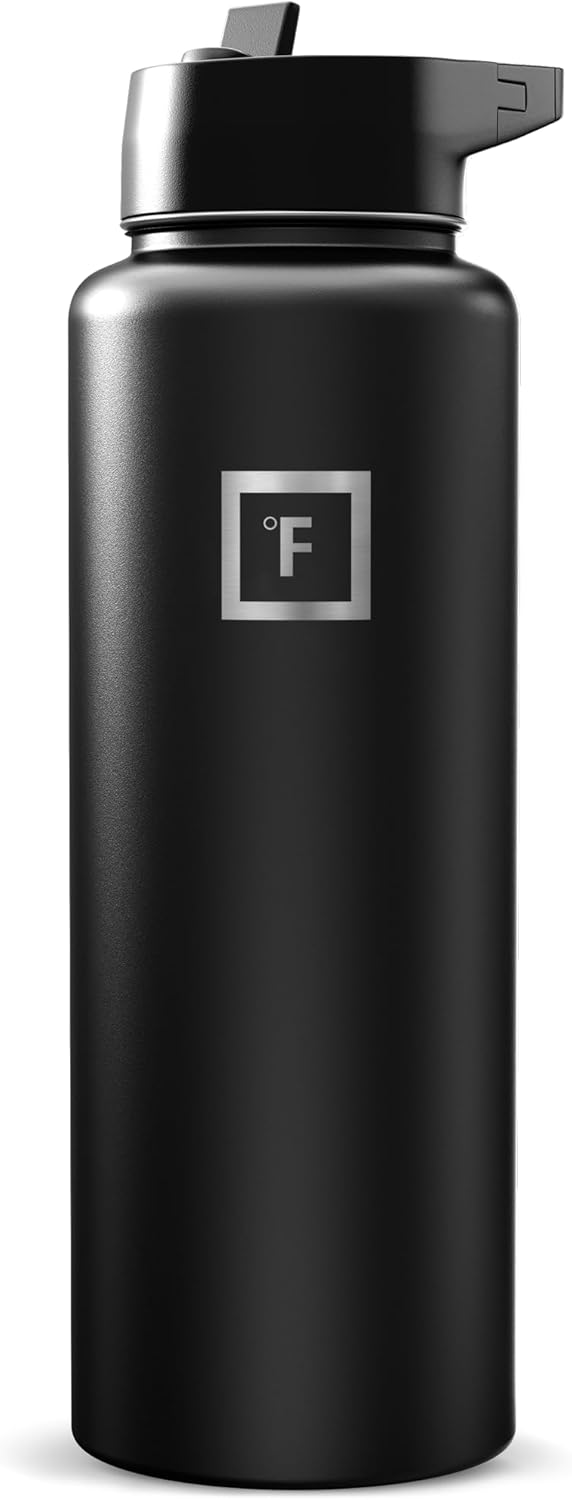
Insulated Water Bottles
A double-wall stainless steel water bottle keeps cold drinks cold all day and hot drinks hot for hours — and the right one becomes the bottle you actually carry everywhere.
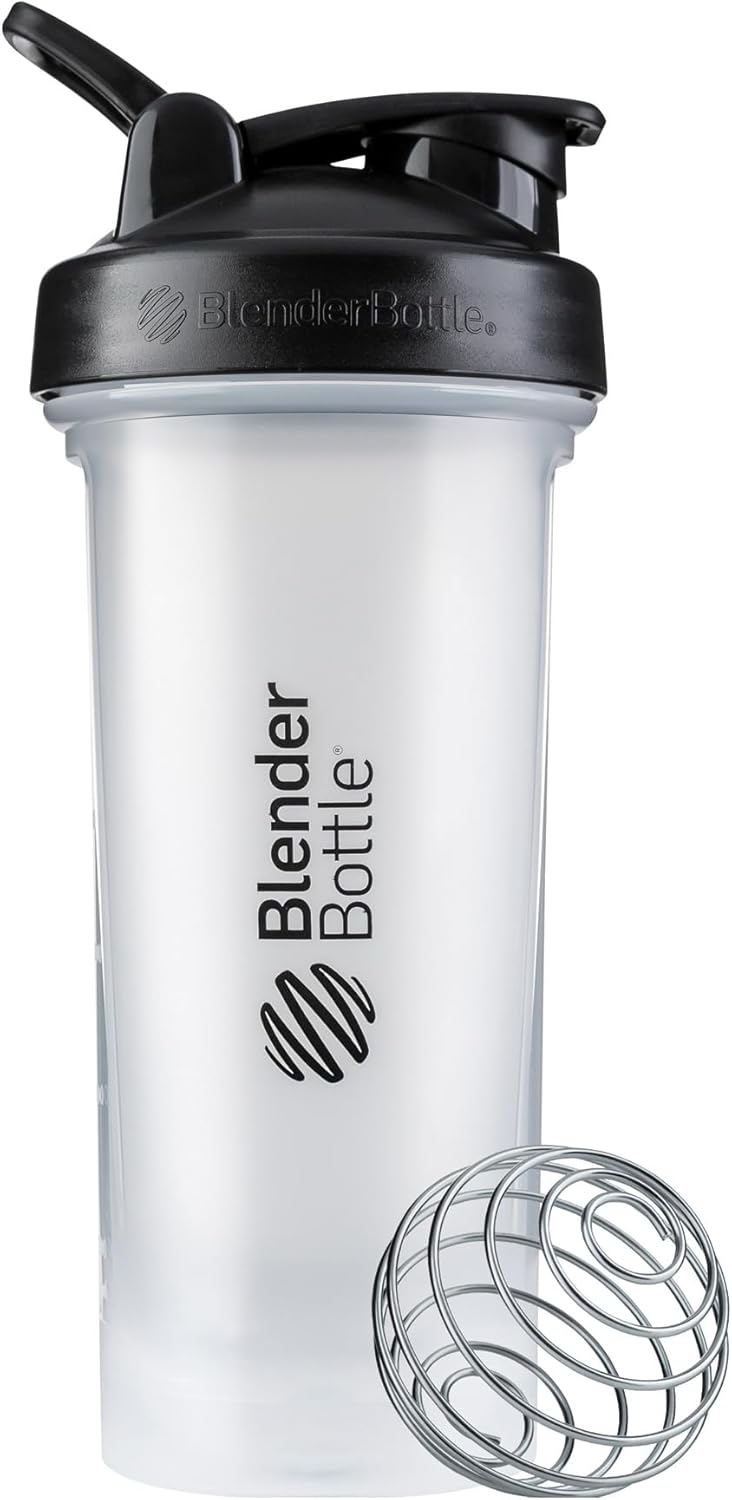
Shaker Bottles
A protein shaker bottle is the single cheapest piece of gym gear you'll use every day — mix smooth, no clumps, with a screen ball or wire whisk.
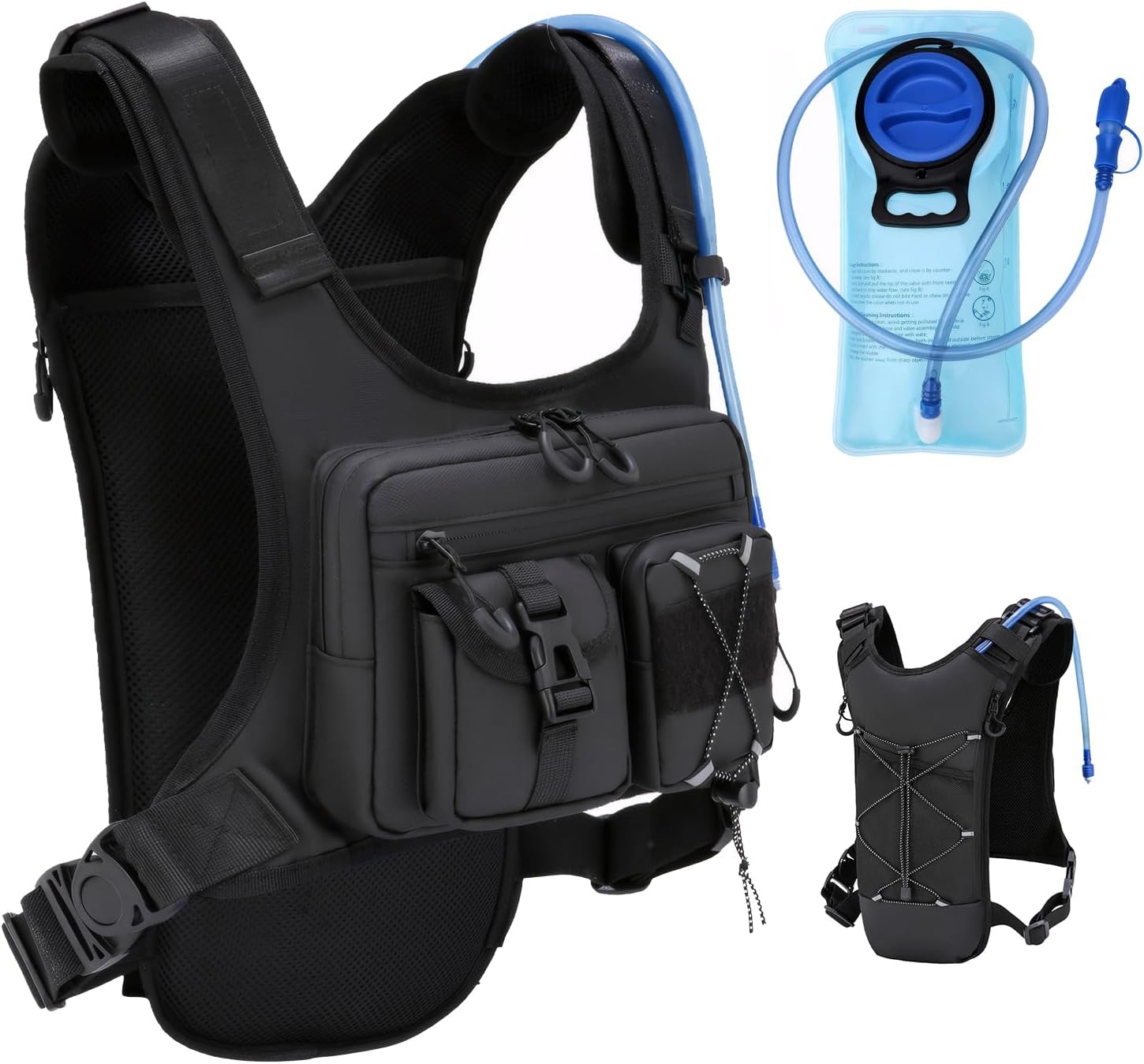
Hydration Vests
A running hydration vest lets you carry two to three liters of water, gels, and phone for long runs without bouncing — the shoulder and chest straps distribute the weight across your torso.
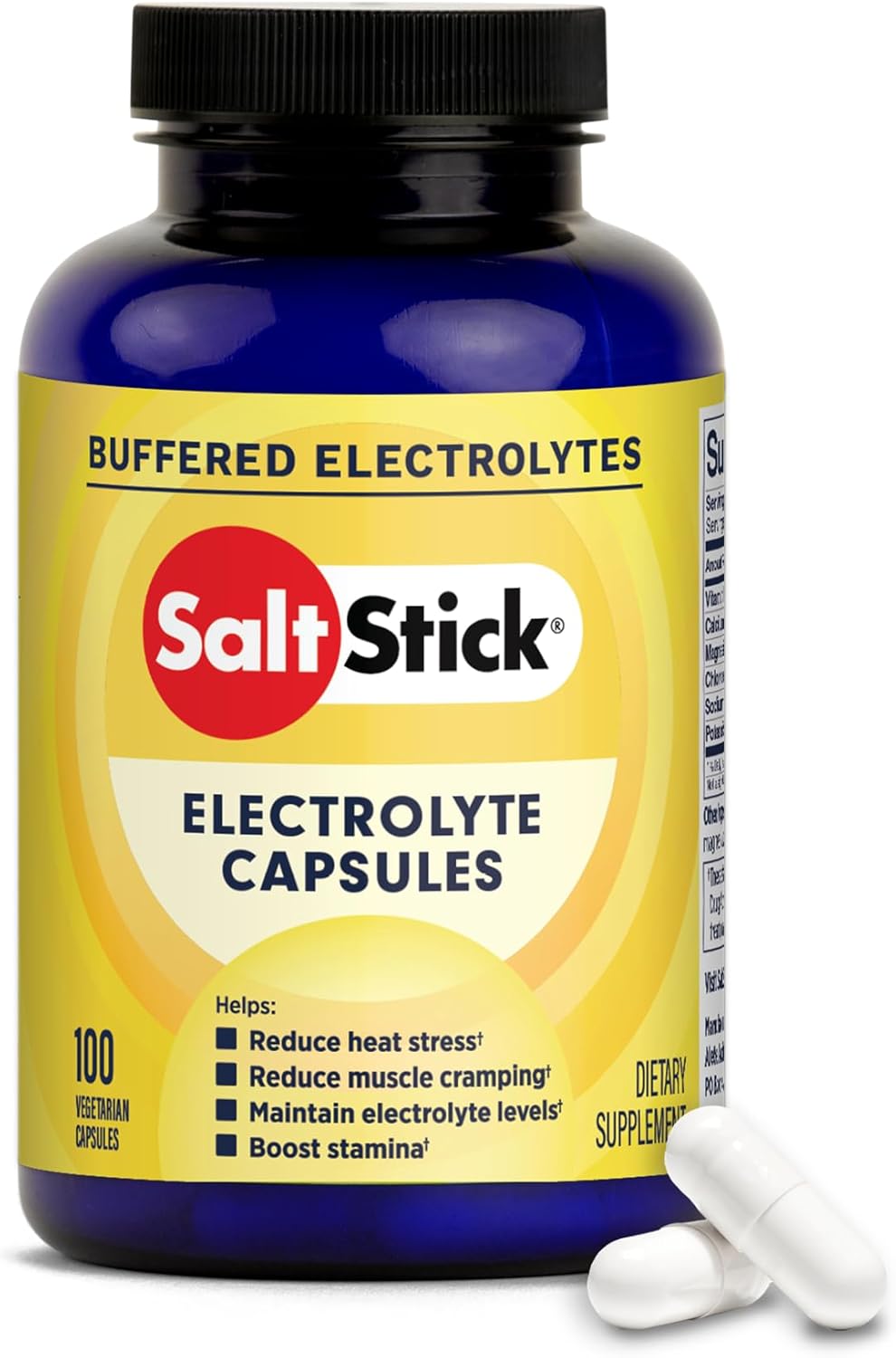
Electrolyte Supplements
Electrolyte supplementation matters for anyone sweating hard for longer than sixty minutes, training in heat, or on a low-carb diet that flushes sodium.