5 Steps to Pick and Care For a Yoga Mat
A 5-step guide to yoga mat selection and care. Most beginners buy the wrong mat and abandon yoga because of joint pain or slipping — this prevents that.
Pick thickness by practice style
4-5mm mats are standard for general yoga — good grip, moderate cushion, stable for standing poses. 6-8mm mats add cushion for restorative yoga and floor-based core work but become unstable for balance poses. Dedicated yoga practitioners typically own both; buy one based on what you do most.
Don't buy the thickest mat assuming thicker = better. A 10mm mat feels like a waterbed during warrior poses and you'll slip. Thickness serves specific practice styles; it's not a universal upgrade.
Material matters more than you think
PVC mats are grippy, durable, and cheap — the default choice. TPE and cork mats are eco-friendly alternatives with slightly different grip profiles. Natural rubber mats (like Manduka) are the premium tier — best grip, best durability, highest price. Cotton/jute mats are a specialty for traditional practice. Start with PVC unless you have a specific material requirement.
Cheap mats release chemical smell for weeks. Let any new mat air out for 48 hours before first use. If smell persists past 2 weeks, return it — that's quality control failing.
Clean the mat weekly (minimum)
Wipe the mat with a spray bottle mix of water + a drop of dish soap + a drop of tea tree oil after every 5-6 sessions. Let it air dry completely before rolling up. A monthly deeper clean with yoga-mat-specific cleaner removes accumulated body oils that degrade grip over time.
Never put a yoga mat in a washing machine — even if the label says it's OK. Water saturation through a mat destroys the grip layer. Spot clean only.
Store the mat rolled up, not folded
Roll mats tightly and store standing upright. Folded mats develop permanent creases that become trip hazards during practice. Avoid storing in hot cars (summer) or freezing garages (winter) — extreme temperatures accelerate material breakdown.
A mat with visible creases is a fall risk during poses. If you've inherited a folded mat, roll it tightly and weight it down for a few days to relax the creases before use.
Replace the mat every 1-3 years
Yoga mats have a lifespan. A regularly-used mat loses its grip after 1-3 years depending on material and frequency. Signs it's time to replace: you're slipping in downward dog, the texture has worn smooth in spots, or the cushion feels flatter than when new. Don't push a worn mat into year four — injury risk climbs.
If you only practice once a week, a mat can last 3-5 years. Daily practitioners should expect 12-18 month replacement cycles. Budget for replacement as part of yoga practice.
Also consider: complementary yoga and mobility gear
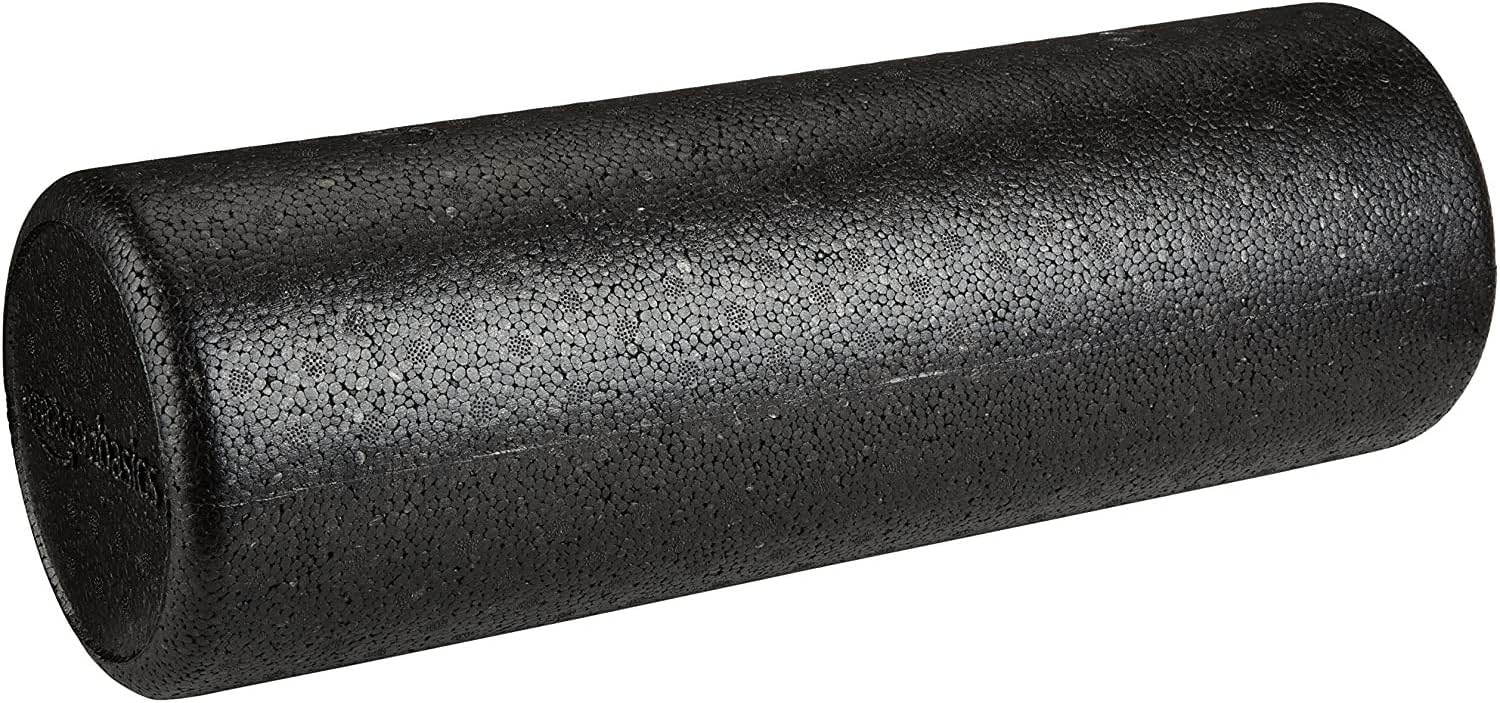
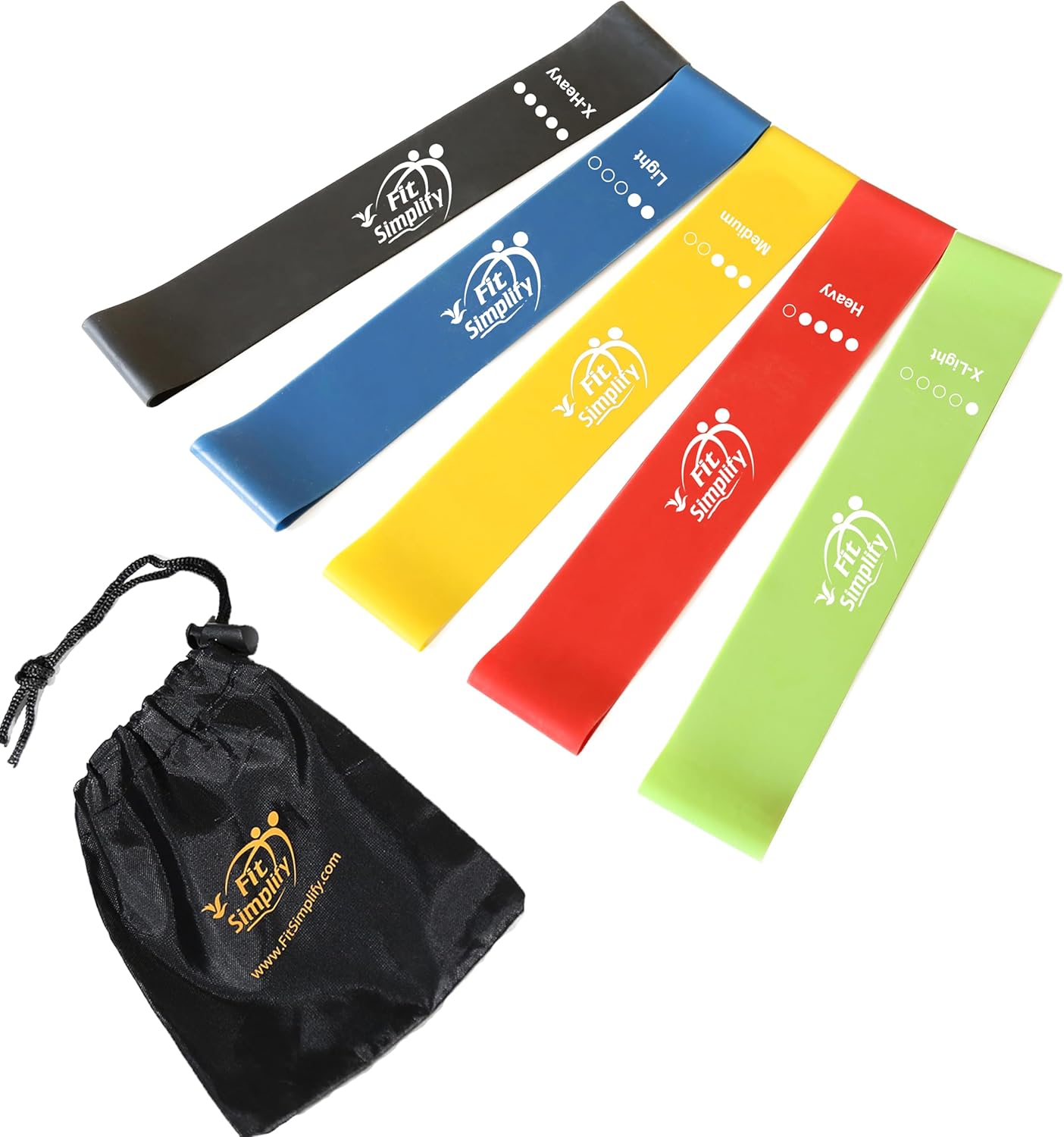
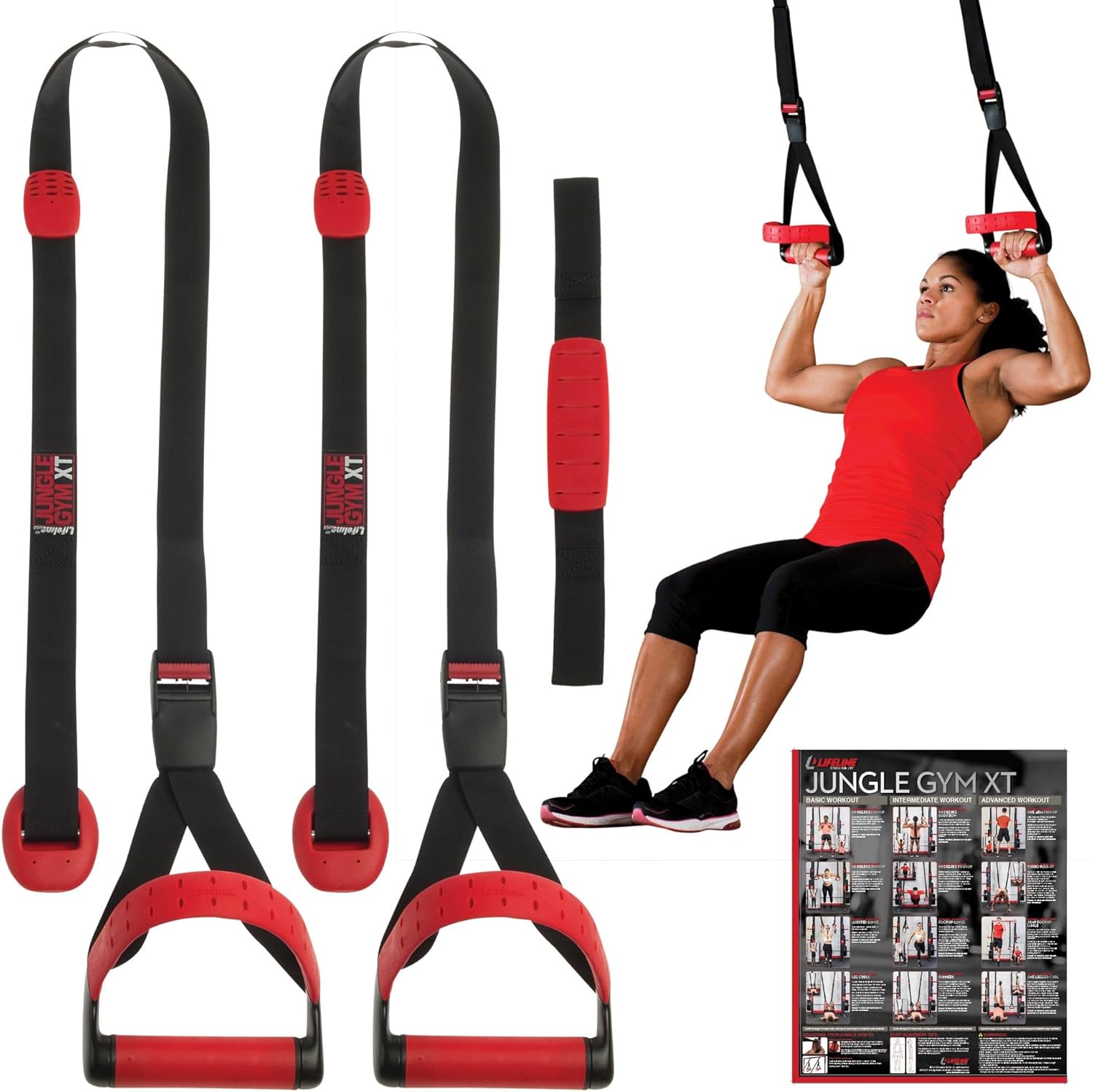
A good yoga practice pairs the mat with recovery tools. Foam rollers extend mobility work between sessions; resistance bands add assisted stretching; suspension trainers cover the strength-adjacent work yoga doesn't.
*Tutorials do not constitute professional medical or fitness advice. Please consult a qualified professional before making decisions about your health or fitness routine.