5 Steps to Weight Plate Loading and Care
A 5-step guide to loading, caring for, and replacing weight plates. The gear most lifters take for granted — until a plate cracks mid-set.
Load the heaviest plates closest to the bar
Olympic barbells have a specific loading order for stability: heaviest plates (45/55 lb) first, closest to the bar's shoulder. Smaller plates (25/10/5) go outside. This distributes weight across the collar more evenly and reduces bar wobble during lifts. It also protects smaller plates from getting trapped under heavy ones.
Random plate loading can cause the bar to rock during unrackiing or during the lift itself. Ten pounds of wobble at the end of a 300-pound squat is dangerous. Load deliberately.
Always use collars, even for light lifts
Collars (spring, flip-lock, or quick-release) keep plates from sliding off the bar. Many lifters skip collars on 'light' sets — and then one uneven rep sends a plate sliding off, slamming their foot or knocking adjacent gym equipment. Use collars every set, every lift.
Missing the collar is the injury vector that seems cheap to skip. Don't. A flying 45-lb plate breaks feet and equipment equally.
Store plates vertically on a rack
Plates stacked flat get chipped on edges and can warp over time. Vertical storage on a plate rack keeps the plates flat and accessible. If you don't have a rack, at minimum lean them against a wall instead of stacking on the floor — stacked plates tend to slide and chip each other.
A chipped plate is out of spec by a few grams — fine for general training but not good for competitive powerlifting. Chipped rubber bumpers crumble over time and shed debris. Replace chipped plates before they degrade further.
Check plate tolerances monthly
Cheap plates often read inaccurate weights. Use a bathroom scale to verify a 45-lb plate weighs 45 lbs (give or take 2%). If your 'plates' vary 5+ lbs from stated weight, you're tracking strength progress against noise. Premium plates are tighter tolerance; budget plates aren't.
Inconsistent plate weights can mask real strength progress. If your bench is 'stuck' for 3 months but your plates vary 5 lbs each, your bench might actually be climbing. Verify first, troubleshoot second.
Bumper plates for Olympic lifts, iron for strength
Use bumper plates (rubber-coated) for Olympic lifts where you'll drop the bar from overhead. Use cast-iron plates for bench press, rows, and squats where you won't drop. Mixing plate types is fine but understand which plates belong on which lifts.
Dropping a cast-iron-loaded barbell from overhead is how plates and floors get damaged. If you're learning cleans or snatches, buy bumpers specifically for those lifts.
Also consider: barbells and home-gym gear
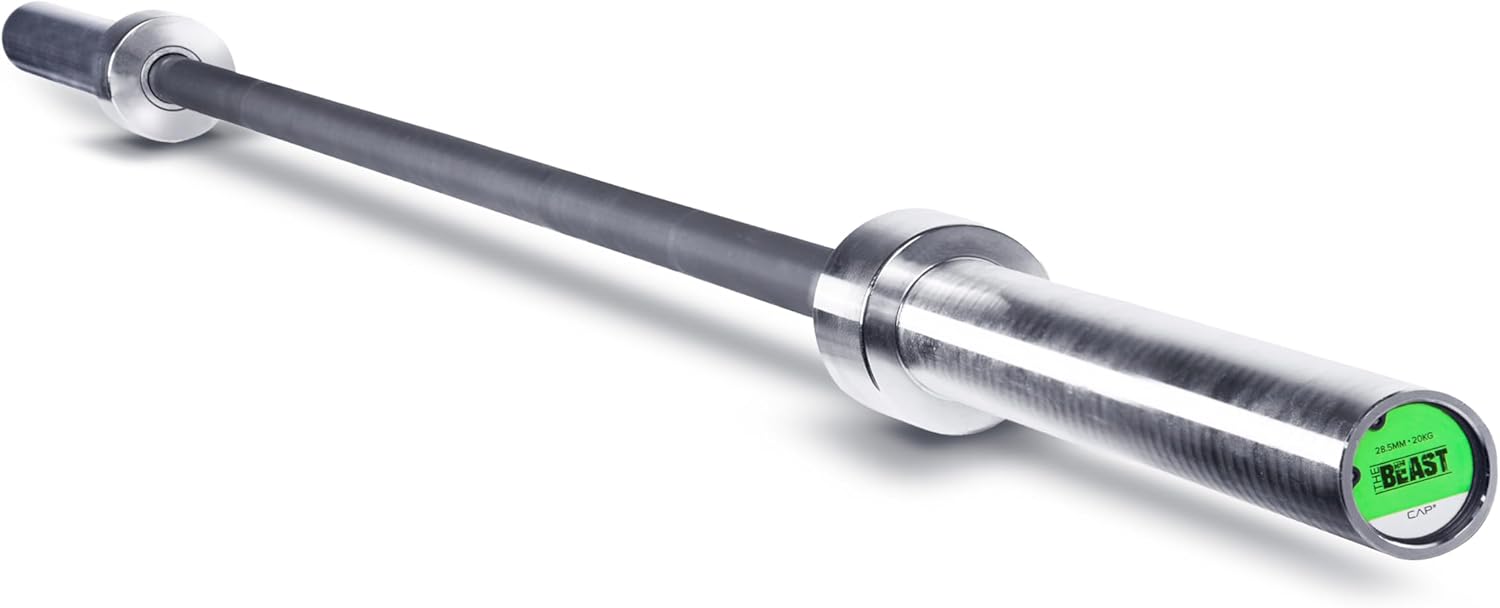
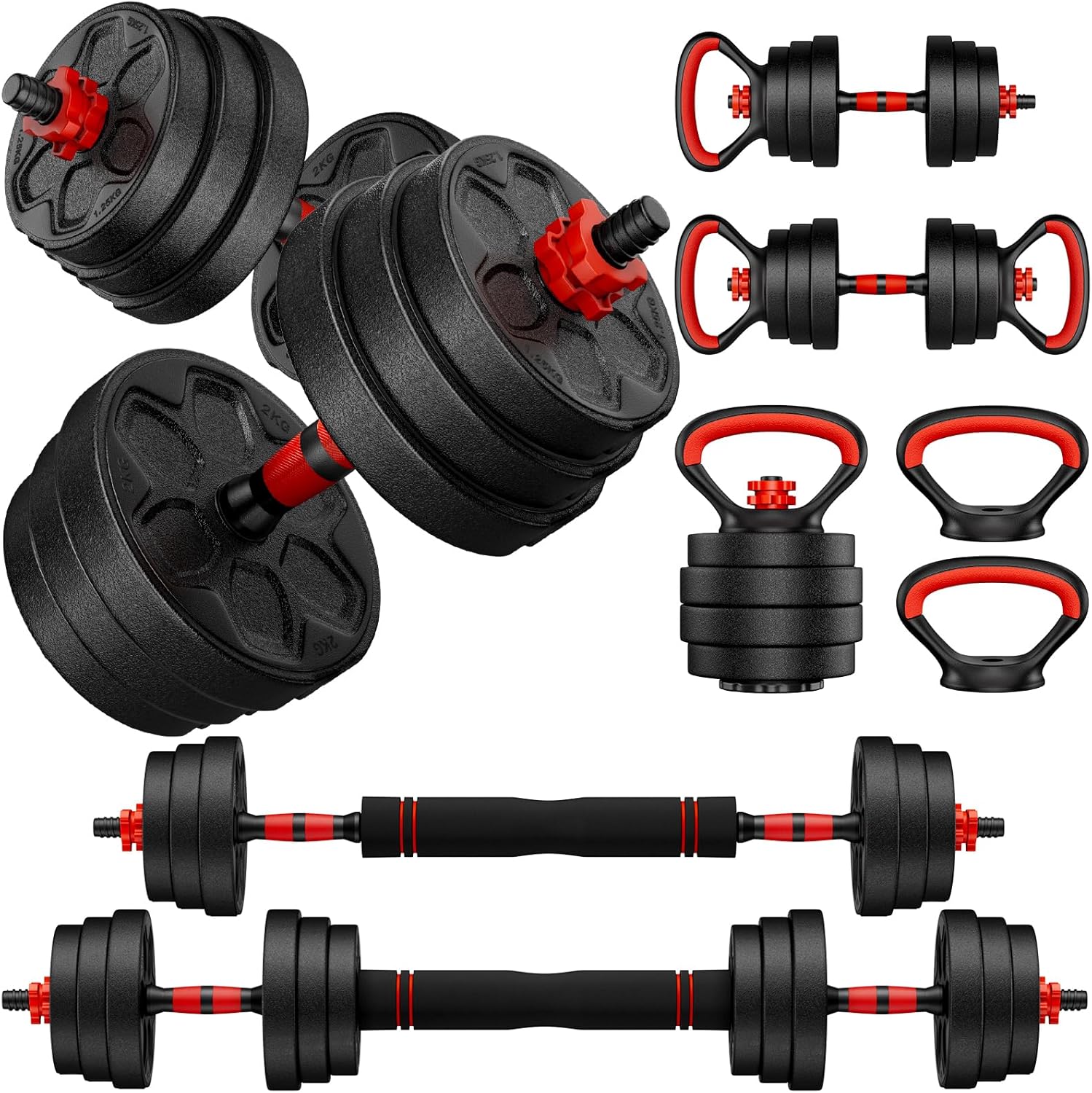
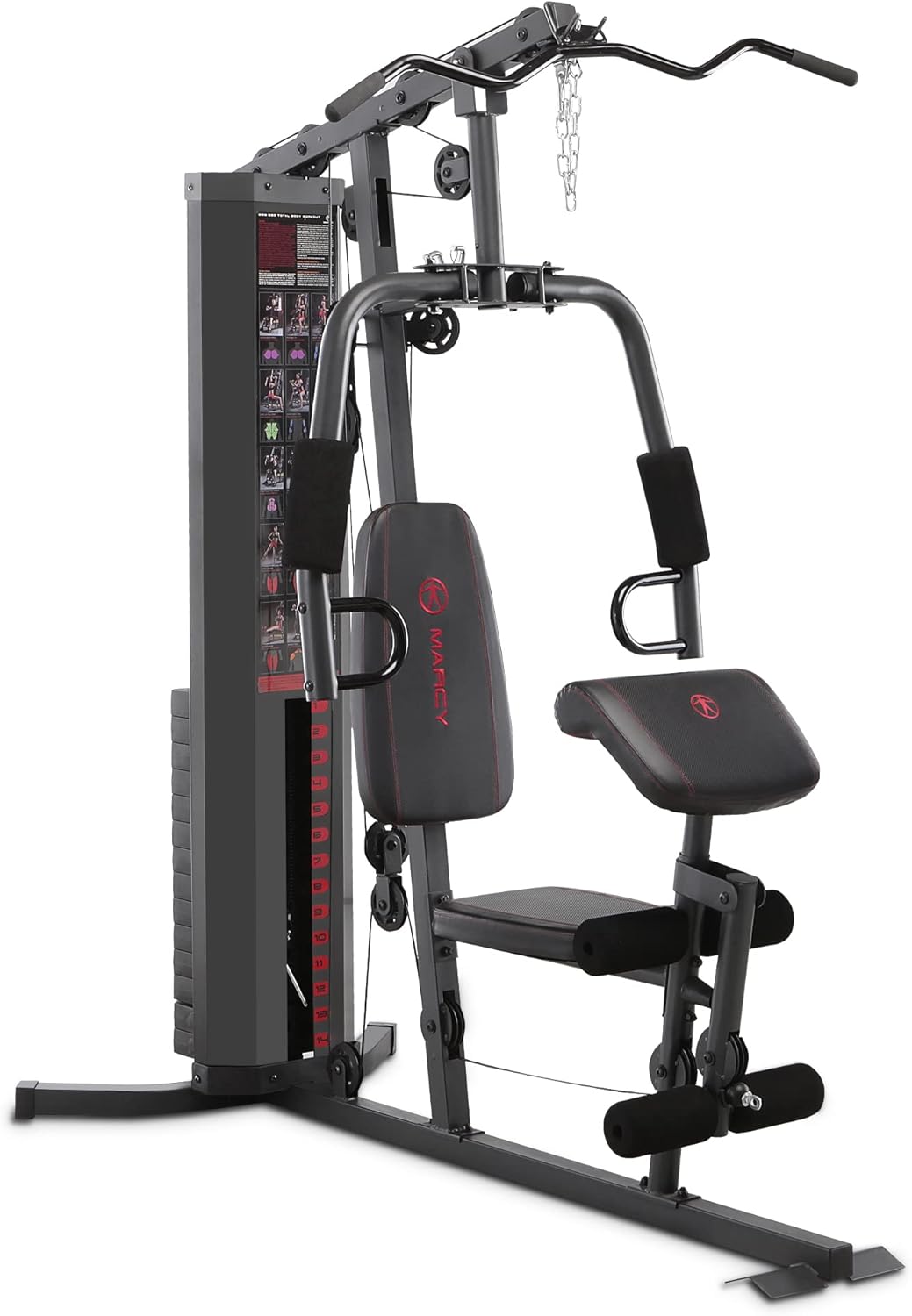
Plates pair with bars. Olympic barbells cover the full strength-training library; adjustable dumbbells fill the unilateral gap; home gyms cover cable-work variety.
*Tutorials do not constitute professional medical or fitness advice. Please consult a qualified professional before making decisions about your health or fitness routine.