5 Steps to a Walking-Pad Routine for WFH
A 5-step guide to using a walking pad during the work day. 10,000 steps from your home office is realistic with the right setup. This avoids the repetitive-stress traps that derail most walking-pad users.
Set up a standing desk at the right height
The walking pad goes under a standing desk. Desk height should be elbows at 90 degrees with forearms parallel to the floor. Monitor at eye level. If your desk isn't adjustable, a laptop stand on top of a regular desk can work for short sessions but causes neck strain over time.
Walking at a too-low or too-high desk causes shoulder and neck tension that shows up by day 3. Fix the ergonomics BEFORE you start or you'll abandon the routine in a week.
Start at 1.5-2.0 mph for focused work
Most people try 3+ mph and find they can't concentrate. Start at 1.5-2.0 mph — slower than most walking paces. This keeps your heart rate mildly elevated without cognitive load affecting work quality. Save faster walking for tasks that don't require focus (calls, watching videos).
If you find yourself making mistakes in your work, drop the speed by 0.5 mph. Walking-while-working is a skill — start slow and build up as the coordination becomes automatic.
Alternate 30-60 minutes on, 30 off
Don't walk for 8 hours straight. The feet, calves, and hip flexors need rest cycles. Alternate between walking blocks (30-60 min) and sitting blocks (30 min). Over a typical work day this gets you 3-4 walking blocks, or roughly 10,000 steps.
Continuous walking for hours is how people develop plantar fasciitis, IT band syndrome, and other repetitive strain injuries. The 30-on-30-off pattern prevents these.
Wear supportive shoes, even indoors
Walking pads amplify the impact of bad footwear. Wear proper walking or running shoes during walking-pad sessions — barefoot or flat-soled shoes work for standing but cause shin and arch problems over walking hours. Swap shoes between 'home walking' and 'outdoor walking' to preserve both sets.
If your feet ache by mid-day, your shoes are wrong. Good walking pad sessions should leave your feet feeling mobile, not tired or sore.
Use a structured approach to daily steps
Track your step count during the first week. Most people average 2,000-4,000 steps from sitting-desk work; with walking-pad sessions this climbs to 8,000-12,000. Once you hit a steady number, add 500 steps per week. Don't chase 20,000 steps — it plateaus the body adaptation.
People who aim for 15,000+ daily steps early often burn out on the repetitive stress. 10,000 steps is plenty for cardiovascular benefit without overuse injury.
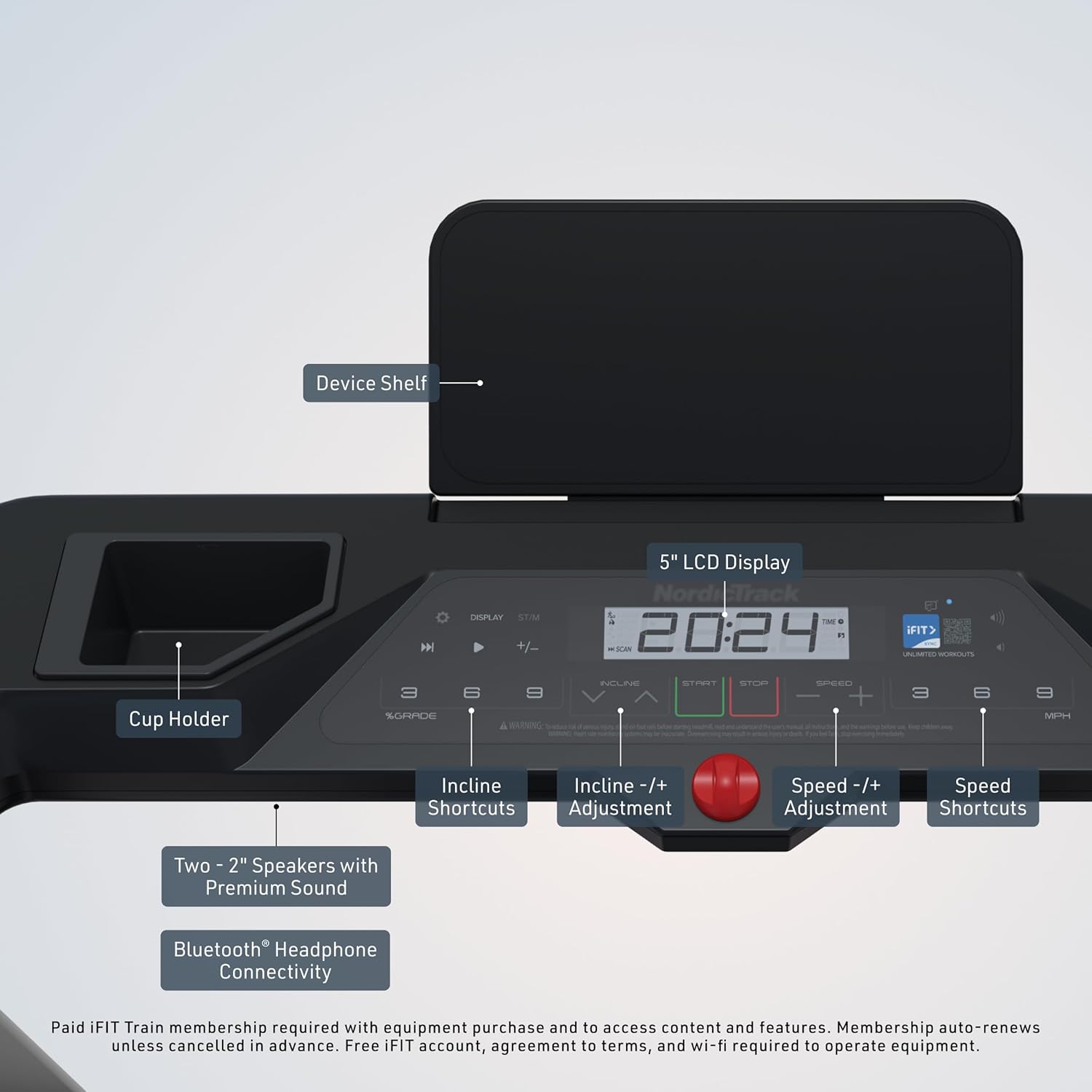
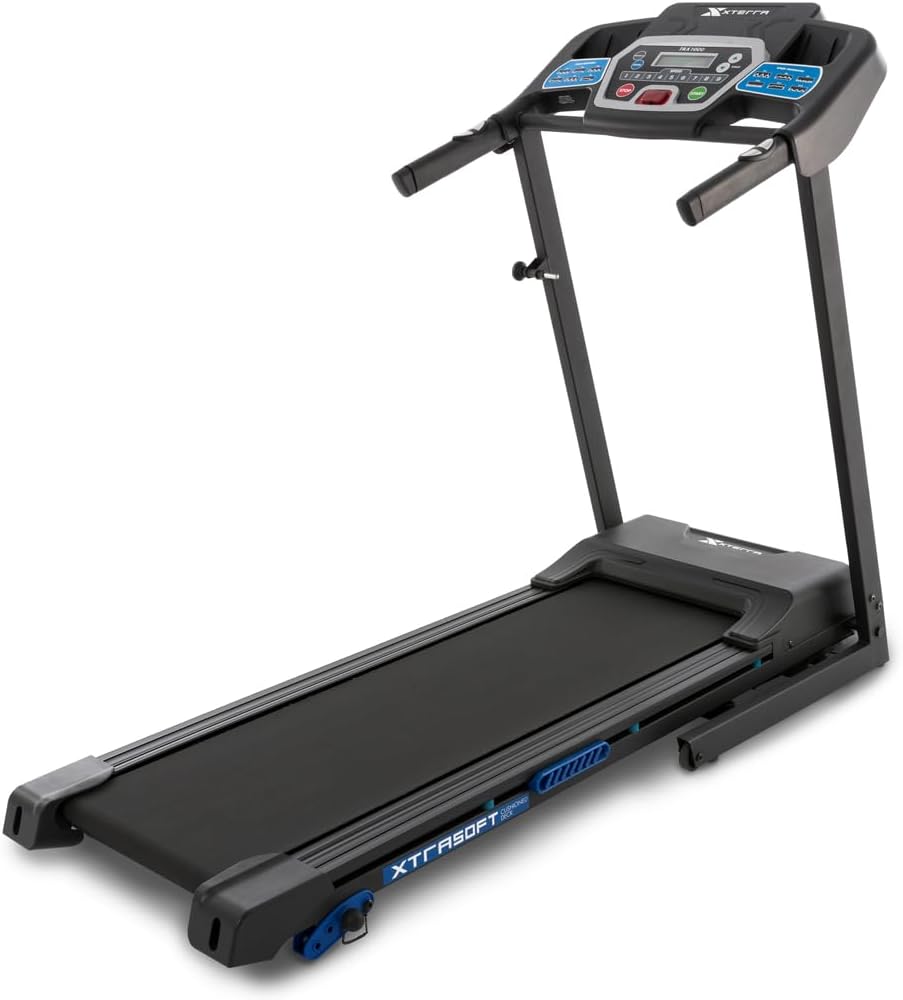
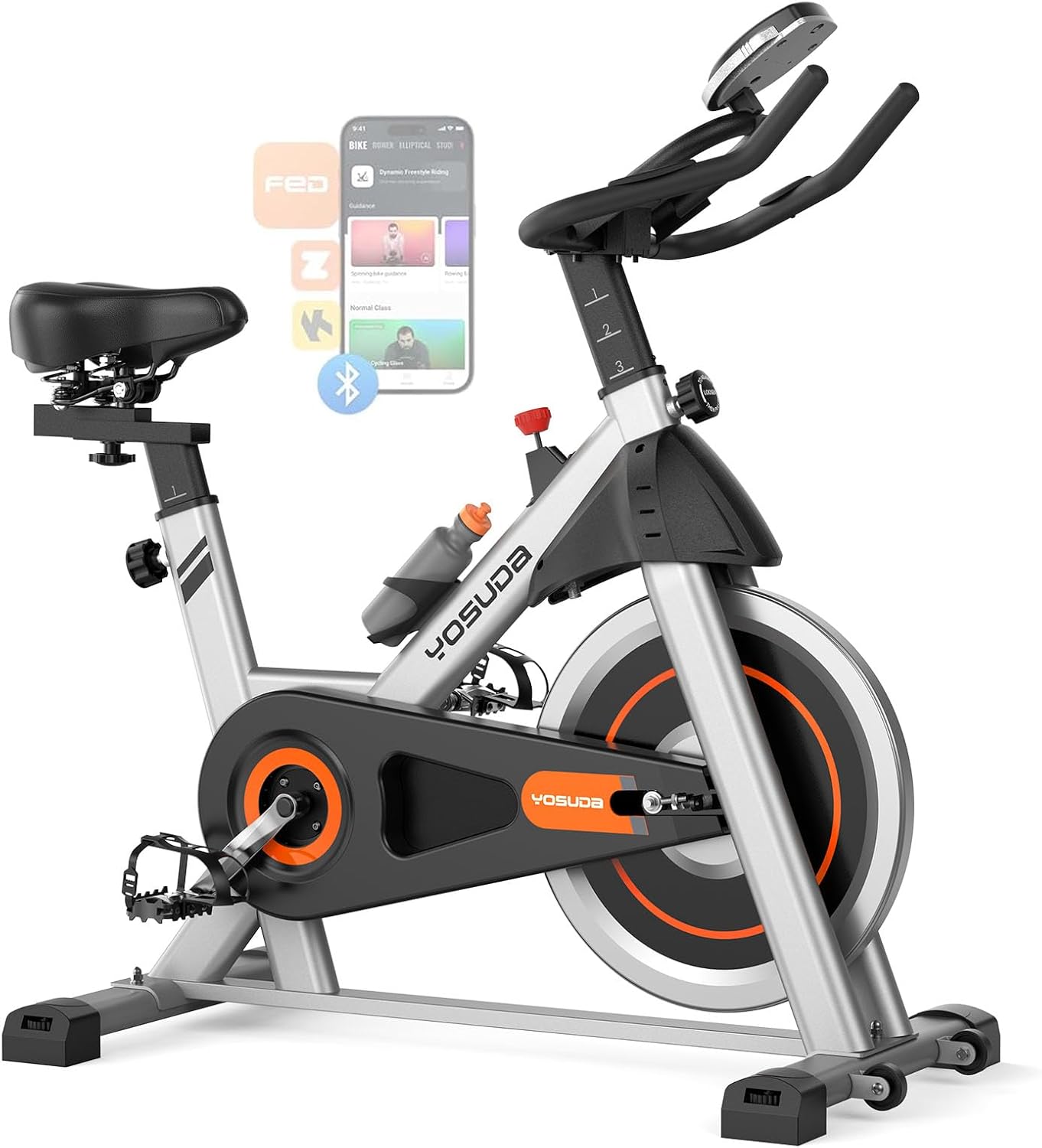
Also consider: treadmills and exercise bikes for structured cardio
Walking pads cover ambient movement during work hours. For structured cardio sessions (intervals, speed work, sustained runs), a full treadmill or exercise bike is the better tool. The walking pad is for steps; these are for workouts.
*Tutorials do not constitute professional medical or fitness advice. Please consult a qualified professional before making decisions about your health or fitness routine.