5 Steps to Treadmill Interval Training
A 5-step guide to treadmill interval training. Beats steady-state cardio for fat loss, fitness, and time efficiency. Covers proper work/rest, incline use, and a 4-week progression.
Warm up for 5-8 minutes at walking pace
Start every interval session with 5-8 minutes at 3.0-3.5 mph, flat incline. This raises core temp, increases blood flow, and reduces injury risk. Skipping the warm-up is the most common beginner mistake that leads to pulled calves and shin splints.
Jumping straight to sprints is a fast way to injury. Even if you feel warm, connective tissue takes longer to prepare than muscle. 5 minutes minimum.
Work intervals: 30 seconds at 80-85% effort
For beginners, 30-second work intervals at a pace you can hold for that duration (not all-out) is ideal. Think 'challenging but controlled.' This might be 5.5-6.5 mph at a 1-2% incline. The key is the intensity — your breathing should be labored by second 20.
If you can hold a conversation during the work interval, it's too easy. If you need to grab the handrails for support, it's too hard. Adjust pace between intervals to find the sweet spot.
Rest intervals: 90 seconds walking
Between work intervals, walk at 3.0 mph flat. Ninety seconds is enough time to catch your breath without losing the cardiovascular training effect. Shorter rest (30-60 sec) is for advanced trainees; longer rest (2-3 min) loses the interval benefit.
Don't stop walking during rest. Active recovery (walking) maintains blood flow and makes the next work interval more productive than standing-still rest would.
Start with 6 intervals, build to 10
Week 1: 6 work intervals. Week 2: 7 intervals. Week 3: 8. Week 4: 10. At 10 intervals with 90-sec rest, session length is 25 minutes including warm-up — ideal for fat loss and fitness. Once you hit 10 intervals consistently, increase speed or incline instead of adding more intervals.
Skipping progression and jumping from 6 to 12 intervals leads to nothing but exhaustion. Build slowly. Your cardiovascular fitness adapts within weeks; your connective tissue takes longer.
Add incline for lower-body strength
After 4 weeks of flat intervals, add a 3-6% incline to the work intervals. This shifts more load to glutes and hamstrings — making it a hybrid cardio/strength stimulus. Incline treadmill work burns more calories per minute than flat-pace running and is easier on knees.
High incline (>8%) at high speed stresses the Achilles tendon. If you're going above 5% incline, drop the speed to 5.0-5.5 mph. Incline OR speed, not both at the extreme.
Also consider: alternative cardio formats
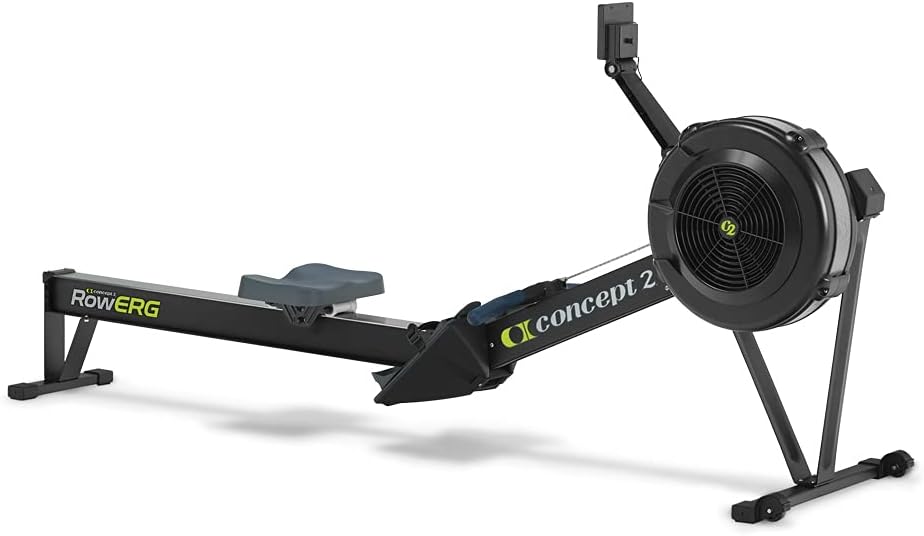
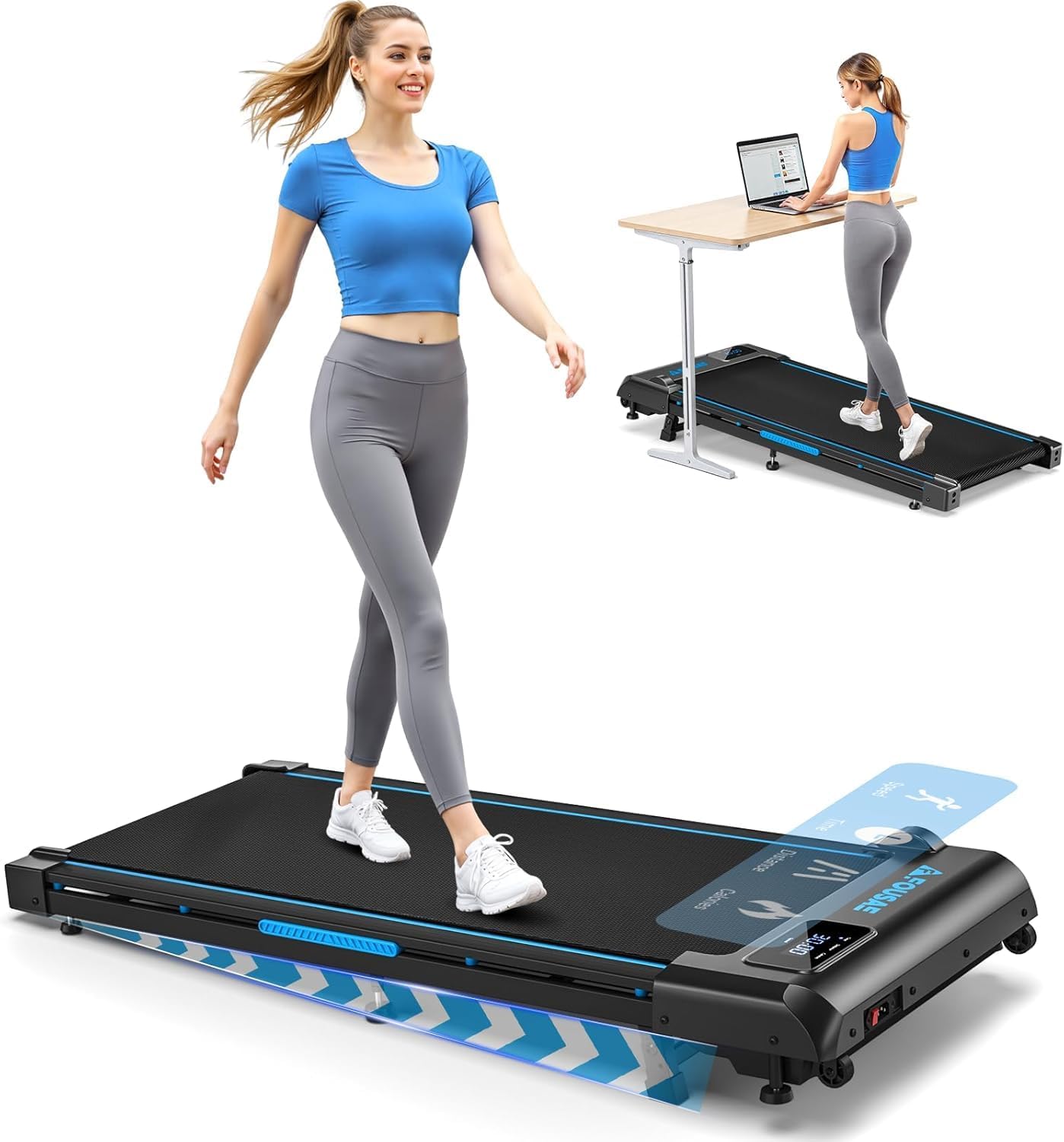
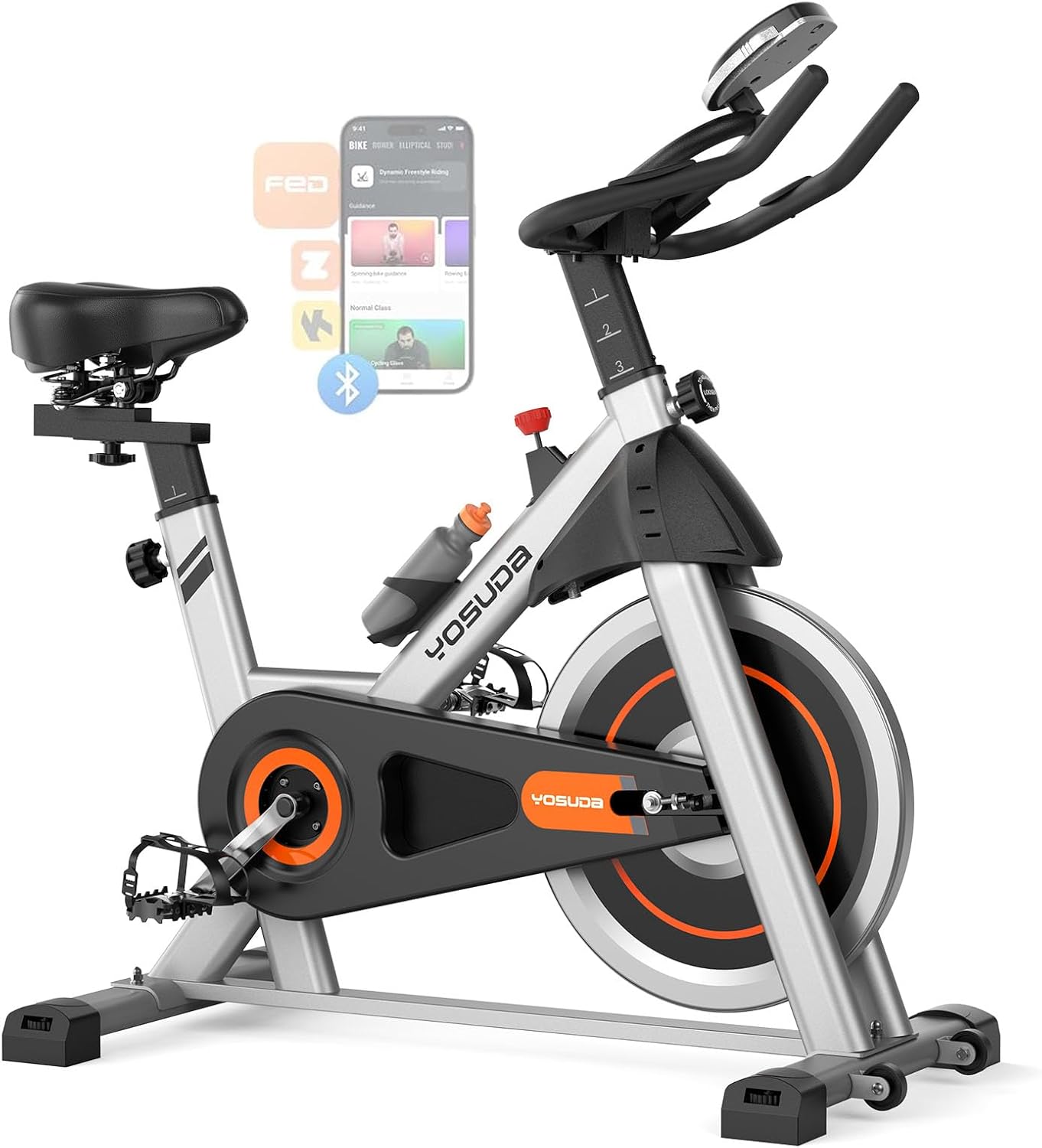
Treadmill intervals are one approach. Rowing recruits the upper body too; walking pads fit under a desk for all-day movement; exercise bikes are easier on knees. Match the tool to your constraints.
*Tutorials do not constitute professional medical or fitness advice. Please consult a qualified professional before making decisions about your health or fitness routine.