5 Steps to Start Suspension Training
A 5-step introduction to suspension training that covers setup, body positioning, the 4 foundational movements, and how to progress without a gym.
Anchor your straps and set the length
Attach your suspension trainer to a door frame, wall mount, ceiling hook, tree branch, or playground bar. The anchor point needs to hold your full body weight plus dynamic force — at least 300 lbs. Set the straps to mid-length (handles at about waist height) as your starting position. Most exercises use this length or a slight variation.
Test the anchor by hanging your full weight before doing any exercise. Pull hard in every direction. If the door anchor slips, the bolt flexes, or the branch creaks, find a stronger point. Equipment failure during a set is a guaranteed injury.
Learn the body angle principle
Suspension training intensity is controlled by your body angle, not by adding weight. Standing more upright makes exercises easier. Leaning further back (for rows) or forward (for push-ups) makes them harder. A 45-degree body angle is moderate for most people. Start there and adjust — step your feet forward to make it harder, step back to make it easier.
Don't start at a steep angle to impress yourself. The straps are unstable — your stabilizers fatigue before your prime movers. Start easy, own the movement, then increase the angle.
Master the suspension row · 3 sets of 10
Face the anchor, grip the handles, lean back to a 45-degree angle with straight arms. Pull your chest to the handles by squeezing your shoulder blades together. Lower with control. This is the foundation movement — it trains your entire posterior chain (back, rear shoulders, biceps) and teaches you how the straps behave.
Keep your body rigid from head to heels — like a moving plank. If your hips sag or pike, your core isn't engaged. Fix the plank, then pull.
Add push-ups, Y-flies, and squats
Suspension push-ups: face away from the anchor, grip handles, perform push-ups with the instability forcing your core to stabilize. Y-flies: face the anchor, lean back, pull handles up and out into a Y shape — brutal for rear shoulders. Suspension squats: face the anchor, hold handles for balance, sit into a deep squat. The handles let you squat deeper than you can without support.
Suspension push-ups are harder than they look — the handles want to drift apart. Start with a moderate body angle and progress to steeper angles as your stability improves.
Build a 25-minute suspension circuit
Perform 4 exercises in a circuit: rows (10 reps), push-ups (10 reps), Y-flies (8 reps), squats (12 reps). Rest 30 seconds between exercises, 90 seconds between rounds. Complete 4 rounds. This covers pushing, pulling, shoulders, and legs in 25 minutes. Progress by steepening your body angle, not by adding reps.
Your grip and forearms will fatigue before your major muscles in the first few sessions. This is normal — grip endurance catches up within 2-3 weeks of consistent training.
Upgrade path: plyo boxes and a proper mat
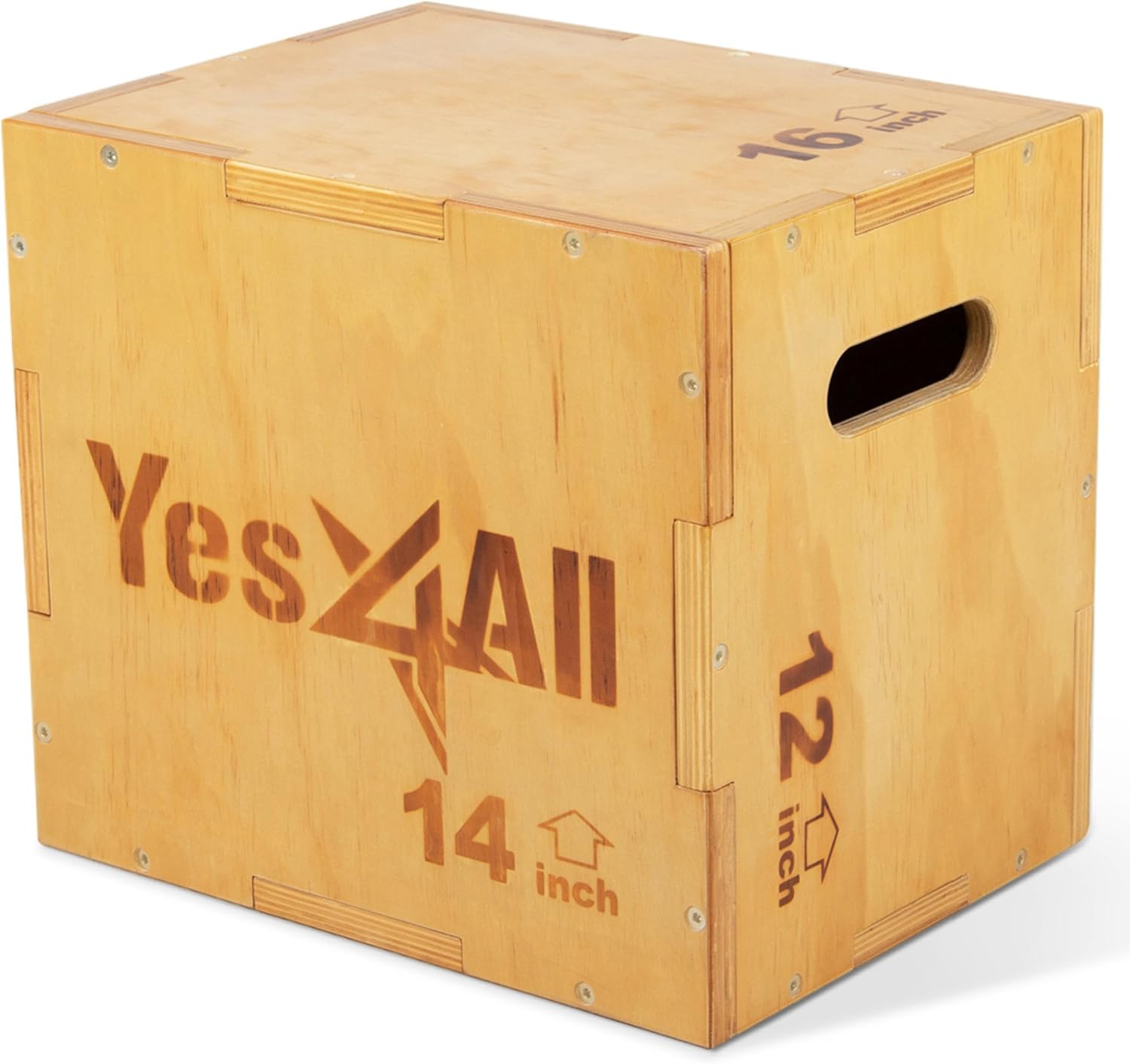
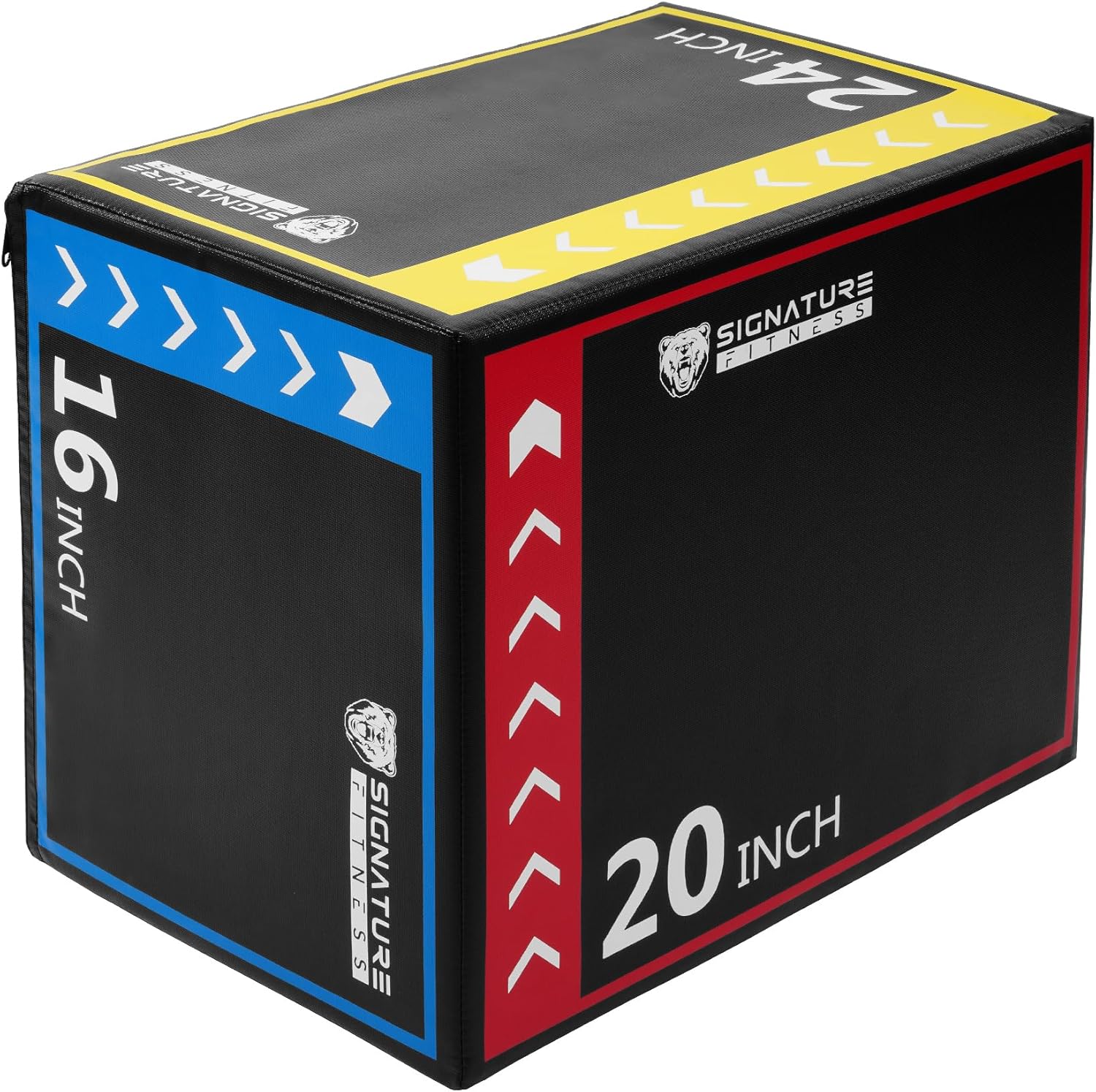
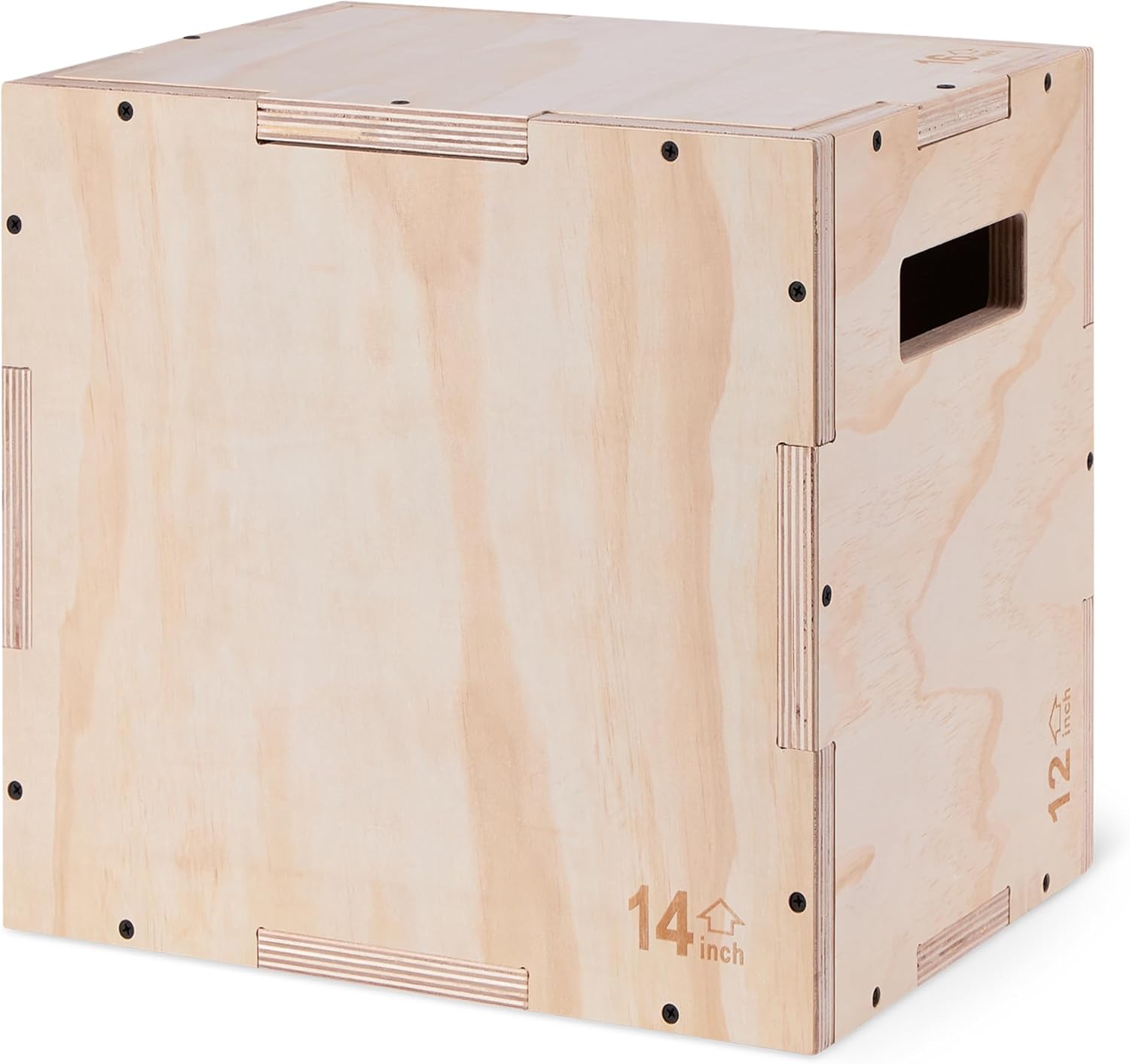
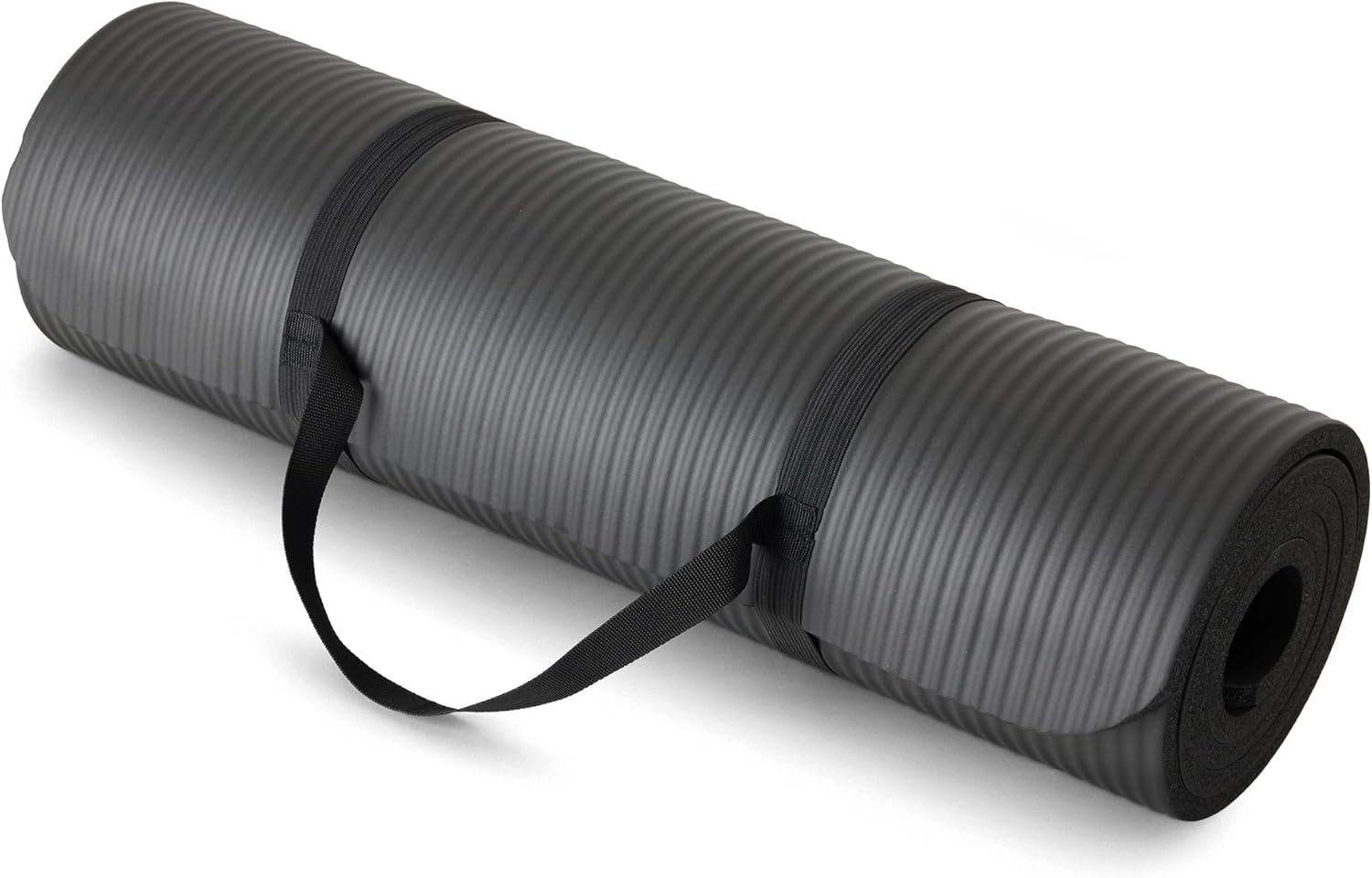
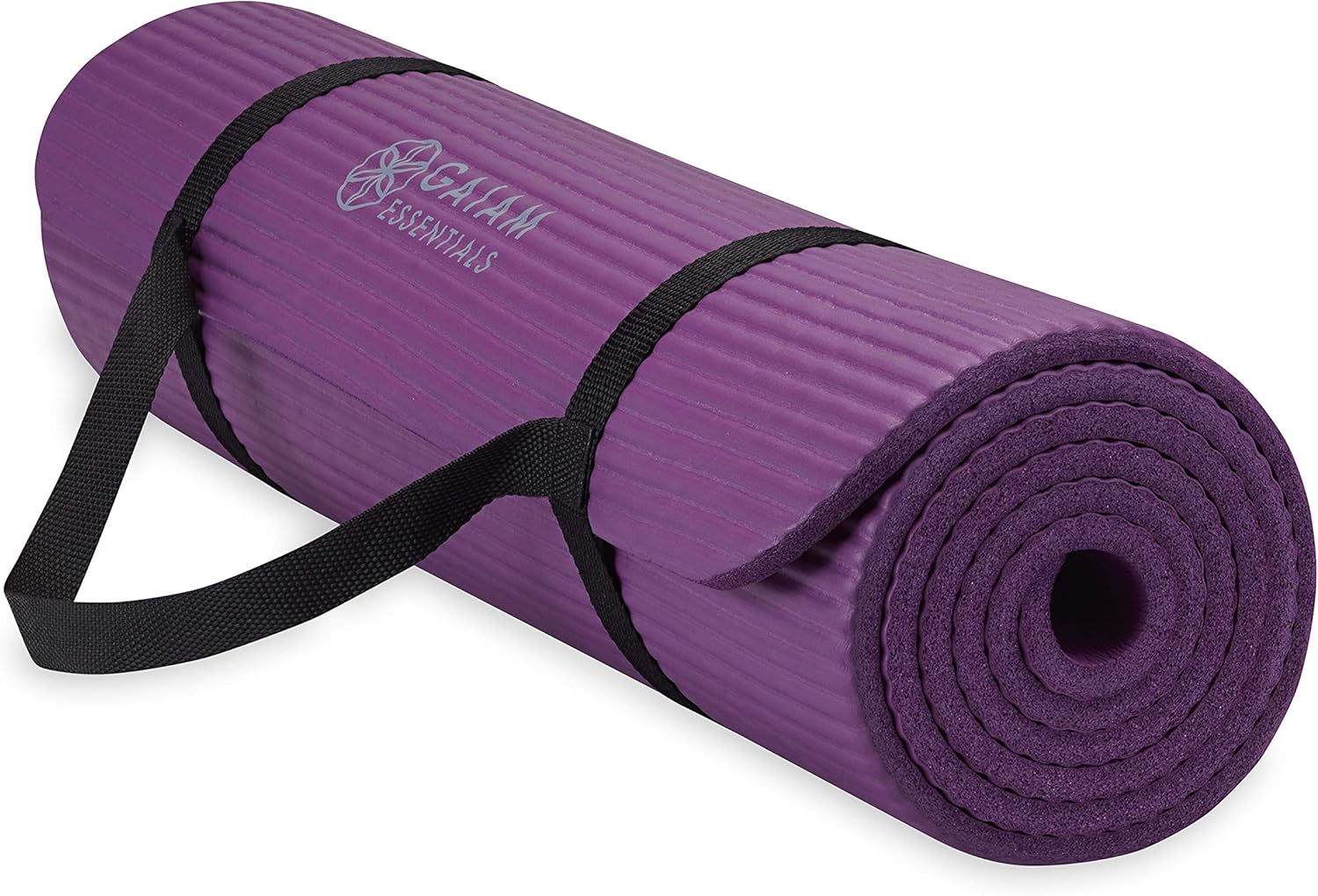
Once you've built bodyweight strength with suspension straps, plyo boxes add the explosive-power piece — jump training complements isometric strap work by training rate of force development. A thick yoga mat protects your joints on the floor-based core work and mobility drills that sit between strap and box sessions. These round out a bodyweight-first training kit.
*Tutorials do not constitute professional medical or fitness advice. Please consult a qualified professional before making decisions about your health or fitness routine.