5 Steps to Slam Ball Conditioning
A 5-step guide to slam ball training — overhead slams, rotational throws, and 3 programmed conditioning circuits. The slam ball is an underused conditioning tool that cardio equipment can't replace.
Pick the right weight (lighter than you think)
Slam balls are not kettlebells. The training stimulus is explosive throwing, and you can't throw heavy. Most adults start at 10 lbs; advanced trainees cap at 20-30 lbs. If you can press the ball overhead easily with both hands, it's still not light enough to slam with max power.
Too-heavy slam balls turn the workout into a slow press-and-drop exercise that loses the power training benefit. Slam balls train rate of force development — speed matters.
Master the overhead slam
Feet shoulder-width, ball at belly height. Explosively press the ball overhead, arching back slightly at the top, then slam it straight down at your feet with maximum force. Catch the rebound (if any), reset, repeat. Each rep is max effort — this isn't a cardio movement.
Slamming forward (away from you) sends the ball bouncing unpredictably. Straight down at your feet keeps the ball controlled. Balls don't bounce much by design — the energy should absorb into the ground.
Learn rotational throws
Feet wider than shoulders, hold ball at waist level. Rotate your torso and throw the ball against a sturdy wall with controlled power. Catch it, rotate the other way, throw again. This builds rotational power the overhead slam doesn't train.
Throwing full-power against drywall is how walls get holes. Rotational throws need a concrete wall, a brick wall, or an outdoor target. Don't do them in a finished living room.
Try the squat-to-press combination
Hold the ball at chest level. Squat down deep, then explode up and press the ball overhead in one continuous movement. At the top, you can slam it down (for a full circuit) or lower it controlled (for a simpler variation). This is full-body conditioning in one movement.
Knees caving inward during the squat portion is the classic fault. Drive your knees out over your toes and keep your torso upright. The squat pattern from slam-ball training carries over to barbell work.
Program 3 conditioning circuits
Circuit A: 10 slams + 10 rotational throws + 10 squat-to-press, 4 rounds, rest 60 sec between. Circuit B: 30 seconds of slams + 30 seconds rest, 10 rounds. Circuit C: EMOM (every minute on the minute) — 5 slams + 5 squat-to-press, 10 minutes. Rotate circuits across the week.
Slam ball conditioning is intense. Two sessions per week is enough for most trainees. More than that overloads the lower back and shoulders, where slam balls stress connective tissue.
Also consider: battle ropes and training sandbags
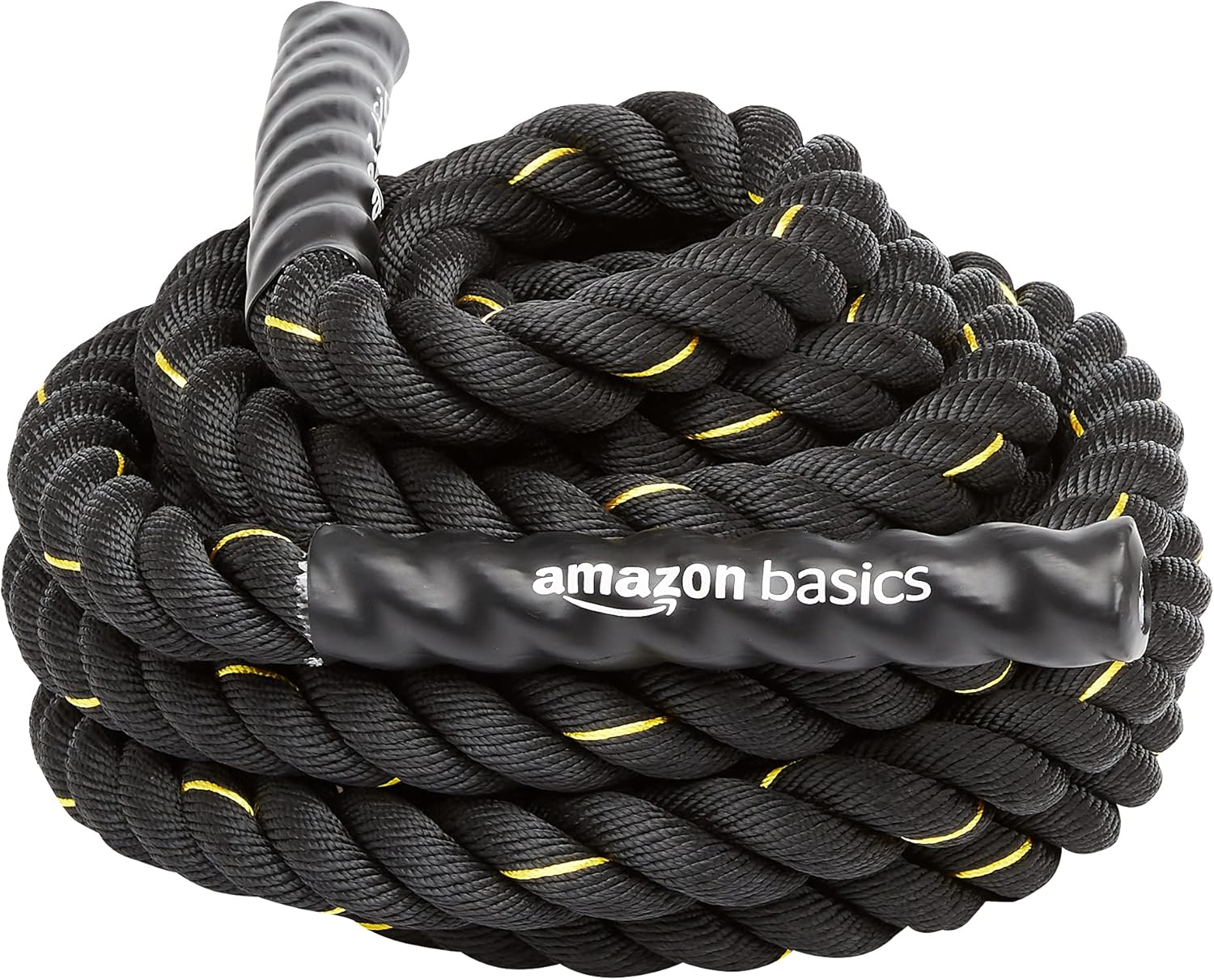
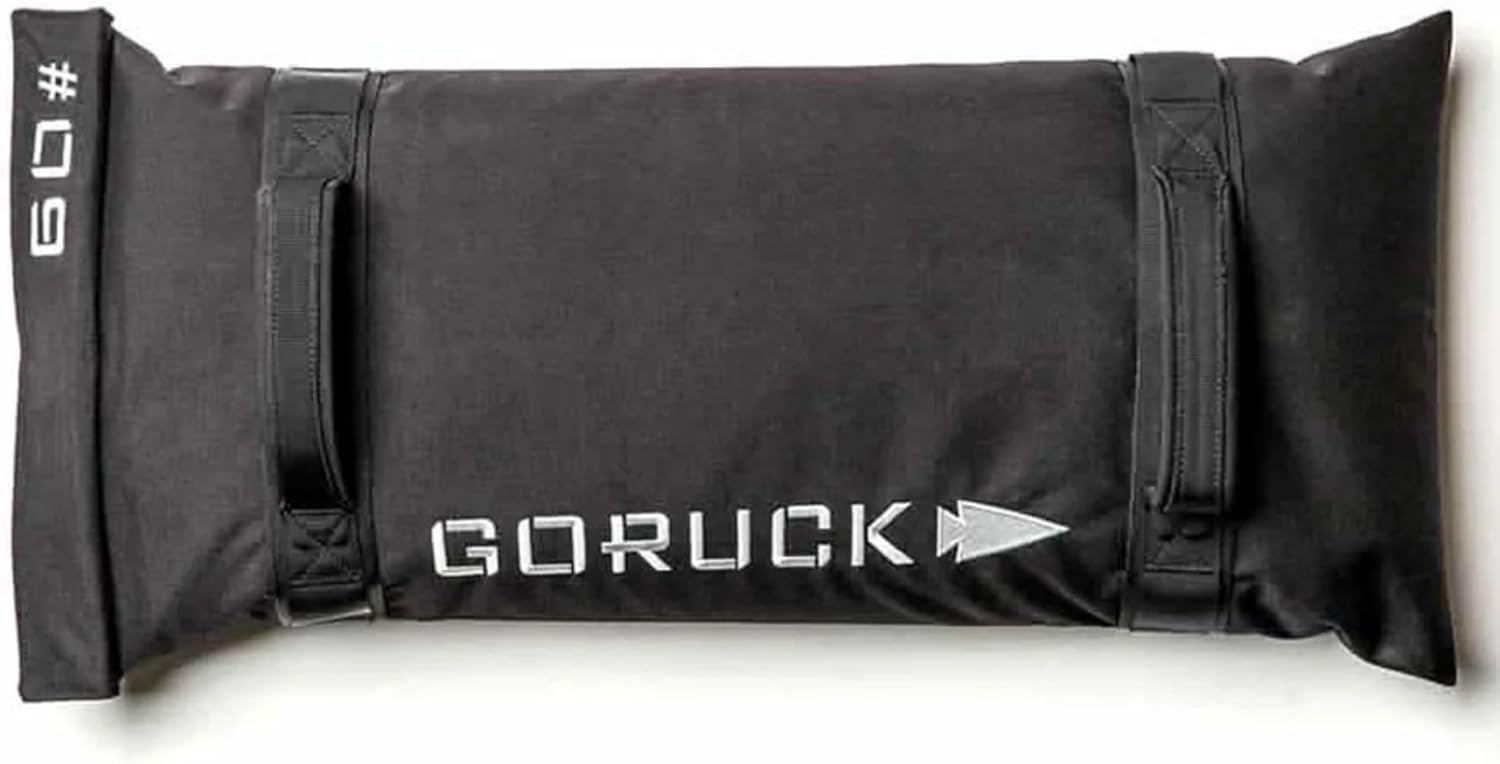
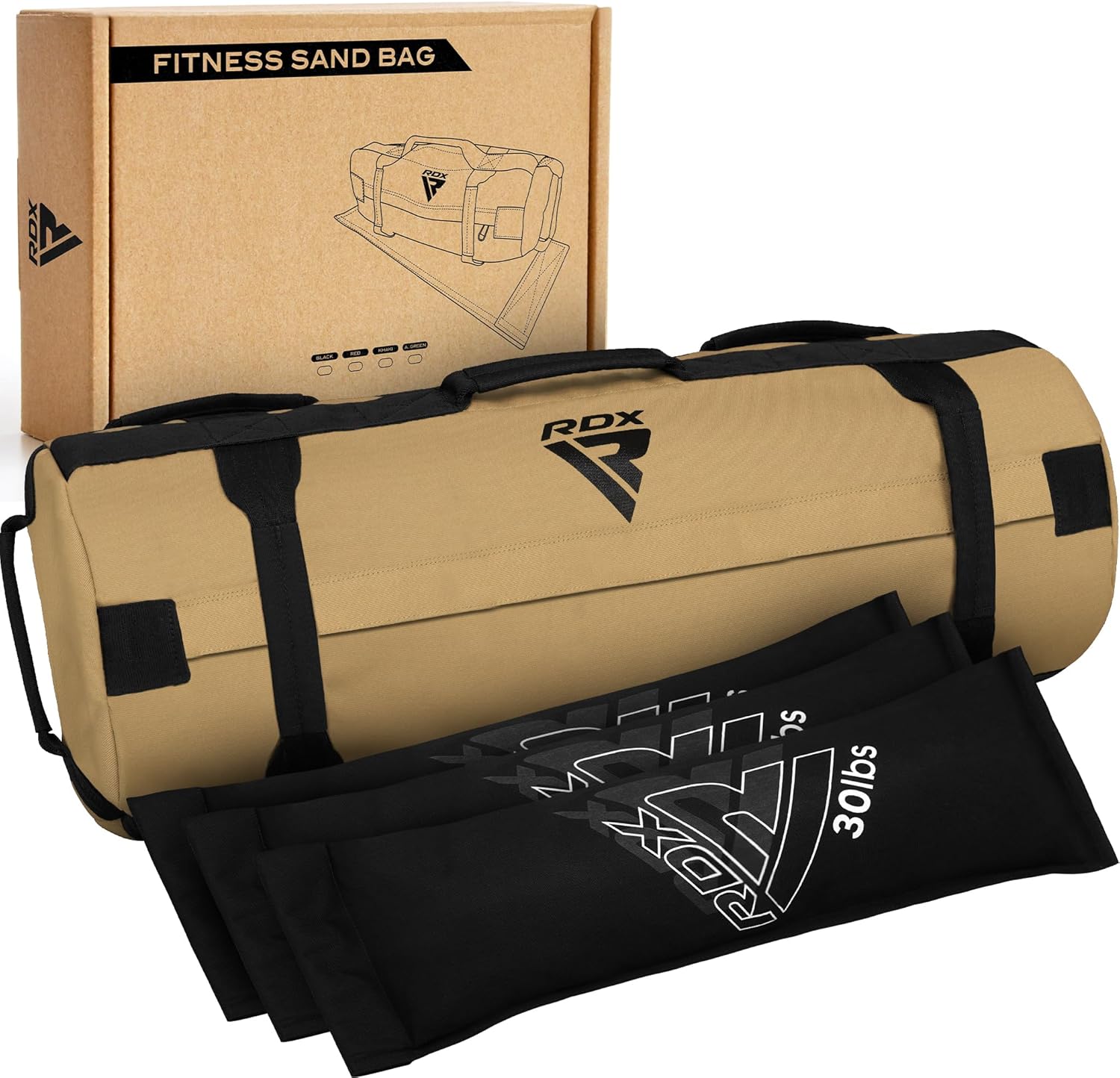
Slam balls train ballistic power. Battle ropes train sustained upper-body conditioning; training sandbags train loaded-carry and strongman work. Different conditioning modalities fit different sessions.
*Tutorials do not constitute professional medical or fitness advice. Please consult a qualified professional before making decisions about your health or fitness routine.