6 Steps to the Rowing Stroke for Beginners
A 6-step guide to rowing technique from the catch to the finish. Bad rowing form wastes effort and risks back injury. This gets beginners to efficient rowing in one session.
Set the damper correctly (most beginners set it too high)
On a Concept2, the damper is a lever on the flywheel that controls how much air enters. Most beginners crank it to 10 thinking harder = better, but competitive rowers train at 4-6. Higher damper = more drag, less sustainable pace, more injury risk. Start at 4 and adjust up slowly.
If your back is sore after rowing, the damper is too high. The resistance should come from hard pulls, not from fighting a too-heavy flywheel. Drop to 3-4 and rebuild stroke power from there.
The catch: compressed position, arms straight
The catch is the front of the stroke where the chain is pulled taut. Knees are bent, shins vertical, body hinged forward from the hips, arms straight and extended toward the flywheel. Think 'tall upper body, compressed legs.' This is where the power comes from.
If your lower back rounds at the catch, back off the compression. Priority is a neutral spine, even if your knees don't fully bend. Rounded back at the catch is how rowers get hurt.
The drive: legs first, then body, then arms
From the catch, drive through the legs first (like a squat). Once the legs are extended, hinge the body back to about 30 degrees past vertical. Only THEN pull with the arms. The sequence is legs-body-arms. Most beginners pull with arms first, which wastes 70% of the power.
If you feel the drive in your biceps, you're pulling with arms first. Focus on leg drive — the arms are the smallest muscle group and should contribute last.
The finish: handle to lower ribs, elbows out
The end of the drive is called the finish. Legs fully extended, body leaned back 30 degrees, handle pulled to the bottom of your ribcage (not your chin), elbows out wide. Pause for a beat — don't race into the recovery.
Handle pulled to the throat or collarbone means you're pulling with arms/delts. The finish is at your ribs, which comes from lat engagement, not arm curl.
The recovery: arms first, then body, then legs
Reverse the drive sequence: arms extend first, body hinges forward to over the seat, THEN the knees bend as you slide forward. This is called the 'hands-away, body-over, slide-up' sequence. Taking the recovery in the right order is what separates smooth rowers from herky-jerky ones.
If your seat shoots forward before your arms are extended, you're inverting the recovery. Slow down the hands-away phase — it should take twice as long as the drive.
Program a beginner training structure
Start with 15-20 minute sessions at a sustainable pace (damper 4-6, stroke rate 18-22 per minute). Watch your split time — the pace/500m number on the monitor. Over 4-6 weeks work up to 30 minutes at a steady split. Only after technique is consistent should you add interval work.
Chasing lower split times before technique is solid locks in bad form. Focus on sequencing and breathing for the first month. Speed follows technique, not the other way around.
Also consider: alternative home cardio options
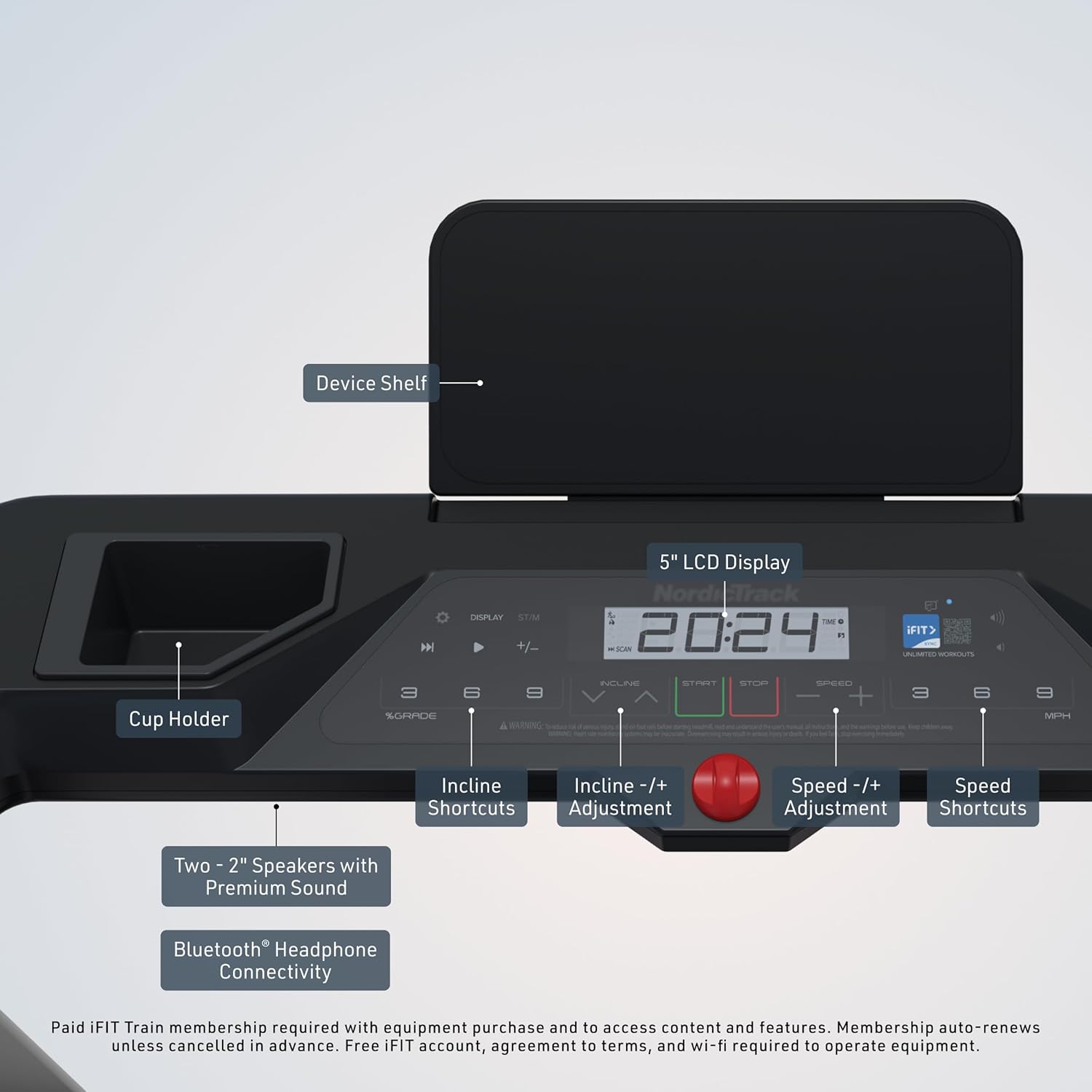
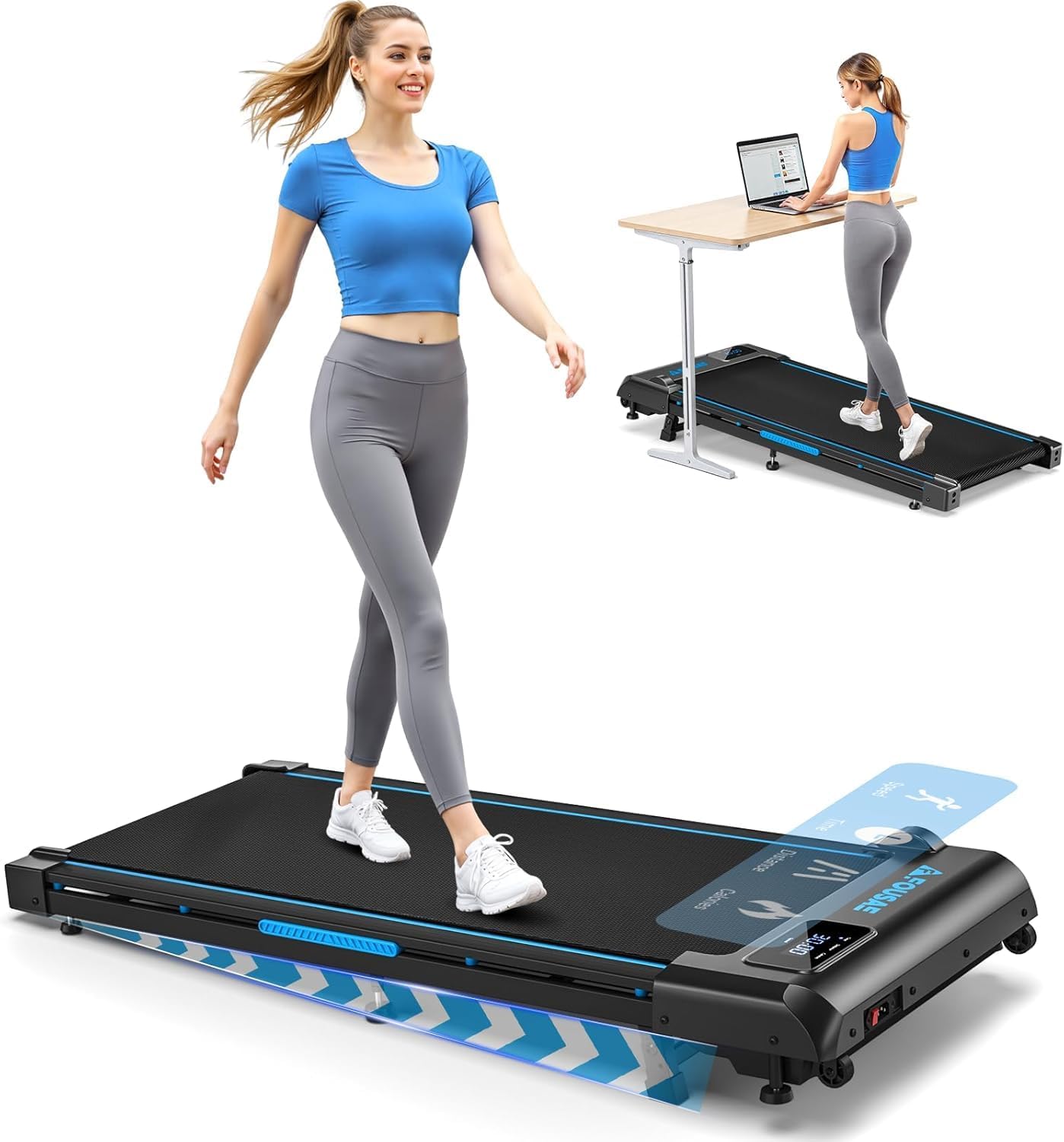
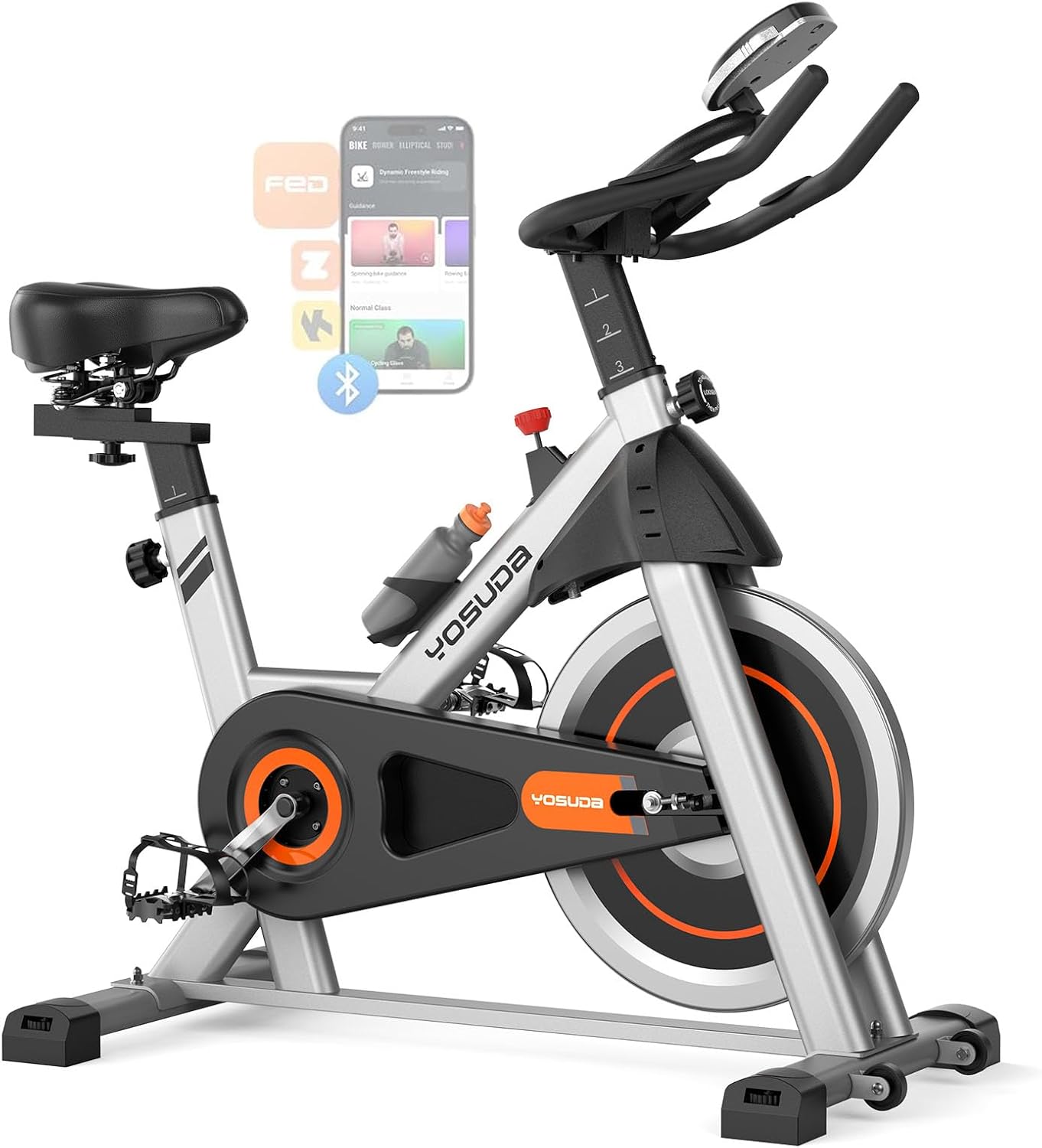
Rowing is one cardio modality. Treadmills cover running-specific training; walking pads cover ambient-movement desk work; exercise bikes cover seated steady-state cardio. Different tools, different training windows.
*Tutorials do not constitute professional medical or fitness advice. Please consult a qualified professional before making decisions about your health or fitness routine.