5 Steps to Red Light Therapy Panel Use
A 5-step guide to red light therapy panel use — backed by the actual research base, not wellness-marketing claims.
Distance: 6-12 inches from skin
Red light panels deliver different dosages at different distances. 6 inches is the therapeutic range for most published protocols. Further than 12 inches drops dosage to insignificance. Measure your distance consistently — panel efficacy depends on it.
Using the panel from across the room because it feels 'safer' is wasting sessions. The light intensity at 3 feet is a fraction of what's needed for research-backed effect.
Duration: 10-15 minutes per treatment area
Most published protocols use 10-15 minute sessions per treated area. Longer doesn't add benefit — there's a saturation point where additional photons don't produce additional cellular response. Set a timer; avoid the temptation to 'do more.'
Claims that longer sessions (30-45 min) produce better results aren't supported by published research. Stick to 10-15 min per area unless a specific protocol you're following prescribes otherwise.
Wavelengths matter — 660nm and 850nm are standard
Red light panels emit two main wavelengths: 660nm (red, for skin and shallow tissue) and 850nm (near-infrared, for deeper tissue). A good panel offers both. Treat skin issues at 660nm, joint and muscle issues with both wavelengths on. Some panels offer additional wavelengths (630, 810, 830) for specific protocols.
A single-wavelength panel limits what you can treat. If you bought a panel and only now notice it's 660nm-only, it works for skin but won't reach deep muscle. Accept the limitation or upgrade.
Frequency: daily or 3-5x per week
Daily sessions are common in wellness protocols but not required. Research supports 3-5 sessions per week for most benefits. Skin protocols favor daily; joint/muscle protocols work fine at 3-5x per week. More frequent isn't more beneficial.
Treating 10 body areas daily for 15 min each adds up to 2.5 hours of daily light therapy. Most users abandon this within a month. Be realistic about what you'll actually maintain long-term.
Eyewear and safety
Red light panels at close distance can be uncomfortable to stare at. Most panels include goggles; wear them or close your eyes during sessions. The light is non-ionizing (unlike UV), but the brightness is hard on eyes. Don't stare directly into the panel.
Never use red light panels on the thyroid (front of neck). While not dangerous in most cases, some endocrinologists flag it as a theoretical concern for people with thyroid conditions. When in doubt, ask a doctor.
Also consider: complementary wellness modalities
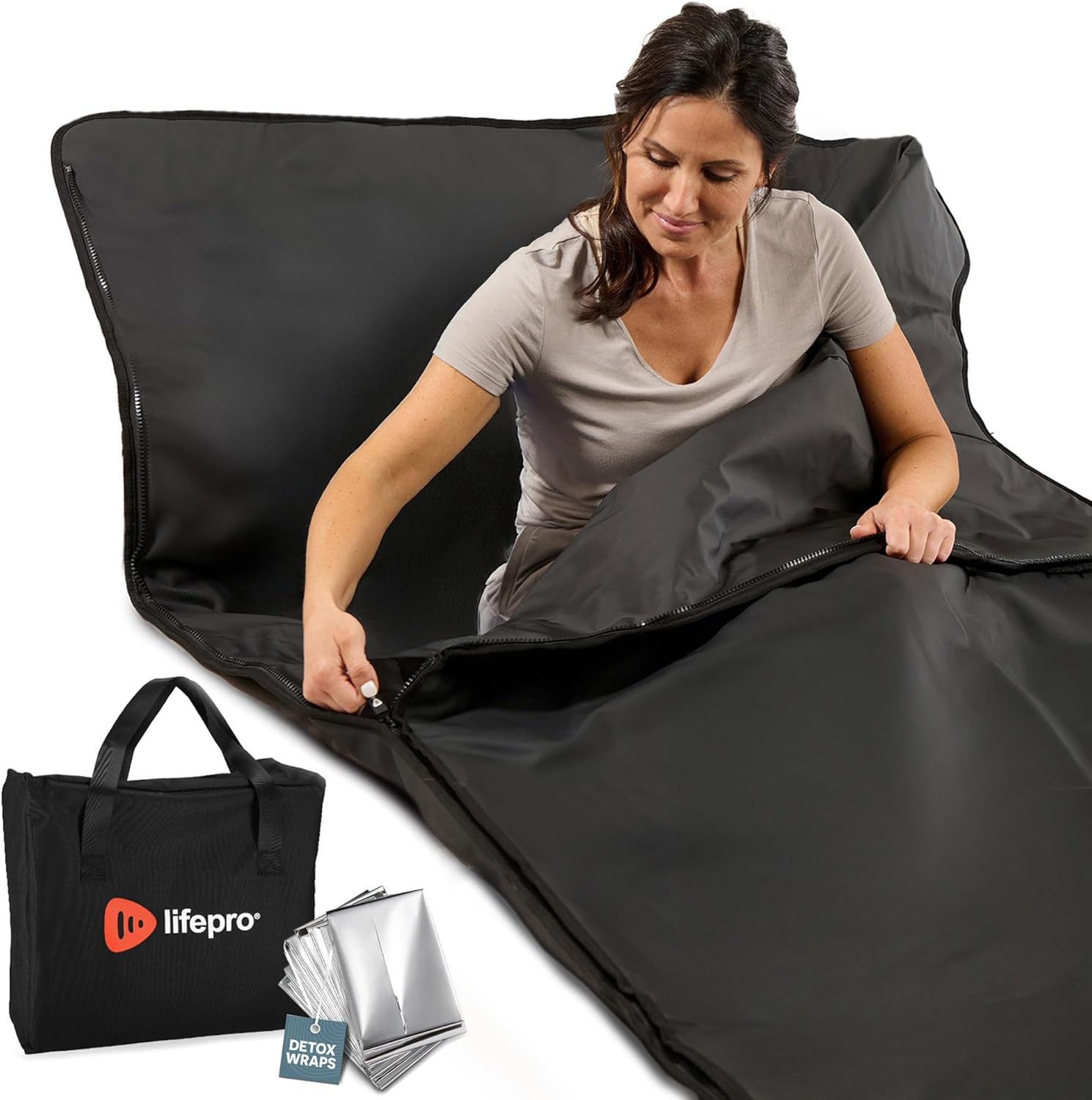
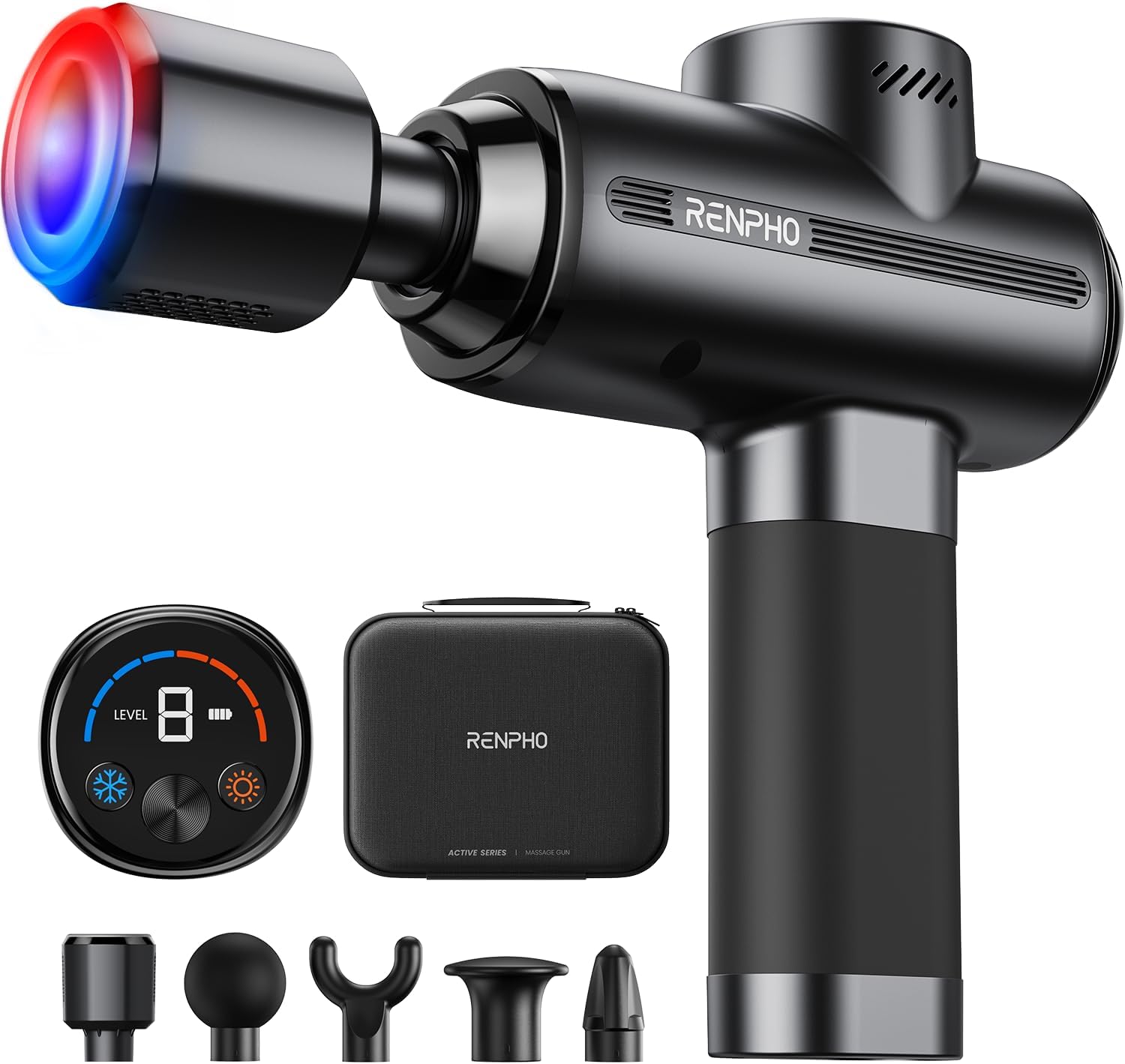
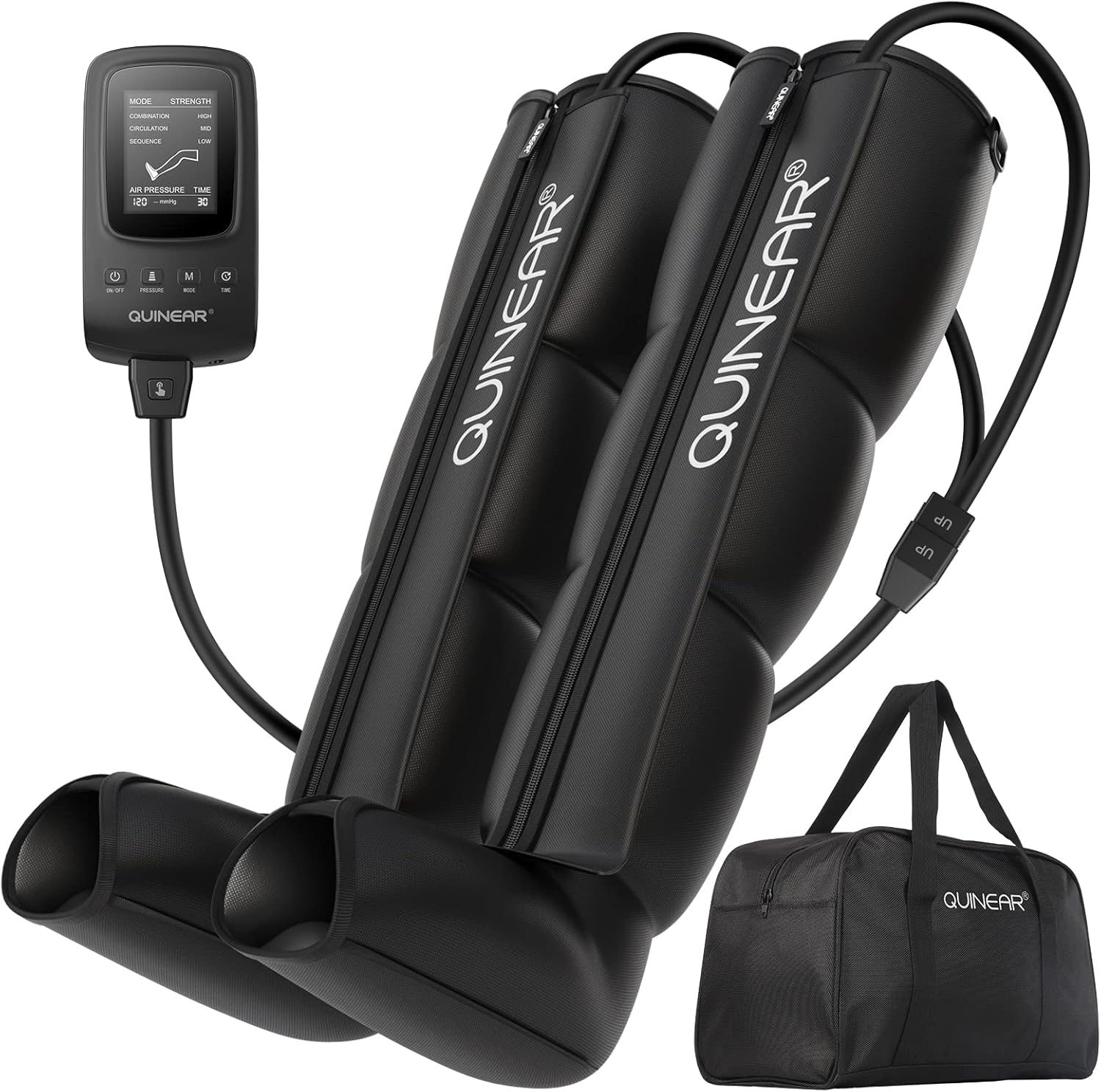
Red light addresses tissue response without heat. Sauna blankets add heat stress; massage guns deliver percussion; compression boots support circulation. Layered recovery is often more effective than any single modality.
*Tutorials do not constitute professional medical or fitness advice. Please consult a qualified professional before making decisions about your health or fitness routine.