4 Steps to Use Recovery Footwear
A 4-step guide to recovery footwear. The most-overlooked recovery tool for lifters and runners who stay on their feet.
When to wear recovery footwear
After long training sessions (especially running, standing exercise, or multi-hour lifting), around the house the rest of the day, and during work-from-home days after training. The arch support and cushioning accelerate recovery of the tiny muscles and tendons in your feet that absorb impact all day.
Wearing recovery shoes for walking errands is fine; using them for actual training or long walks defeats the purpose. Recovery footwear is passive-use gear, not active-use gear.
Orthotic clogs vs mules: pick by activity
Orthotic clogs (closed-toe, structured arch support) for post-run recovery and people with flat feet or plantar fasciitis history. Mules (open-back slip-on) for general post-training use and casual wear. Clogs offer more support; mules are easier on and off — typical household trades off convenience vs support.
If you've had plantar fasciitis, go with the clogs despite the less-casual look. The support matters more than the aesthetic when your feet need recovery.
Don't wear them for actual walks or runs
Recovery shoes aren't built for distance. They're built for around-the-house use, short grocery runs, and couch time. Using them for 3-mile walks causes their own foot issues — they're not supportive enough for distance and the flat sole mechanics aren't designed for it.
If you like the clog feel and want to use it for walks, that's what actual walking shoes are for. Buy one of each and use them appropriately.
Replace when the sole compresses
Recovery footwear compresses over time — the cushioning that made them effective gradually flattens. Signs it's time to replace: visible sole compression, foot pain that wasn't there before, or the arch feeling different than when new. Typical lifespan: 1-2 years of daily use.
Pushing old recovery shoes past their useful life causes the opposite of recovery — your feet adapt to unsupportive foam, and you lose the benefit. Replace on schedule.
Also consider: training footwear
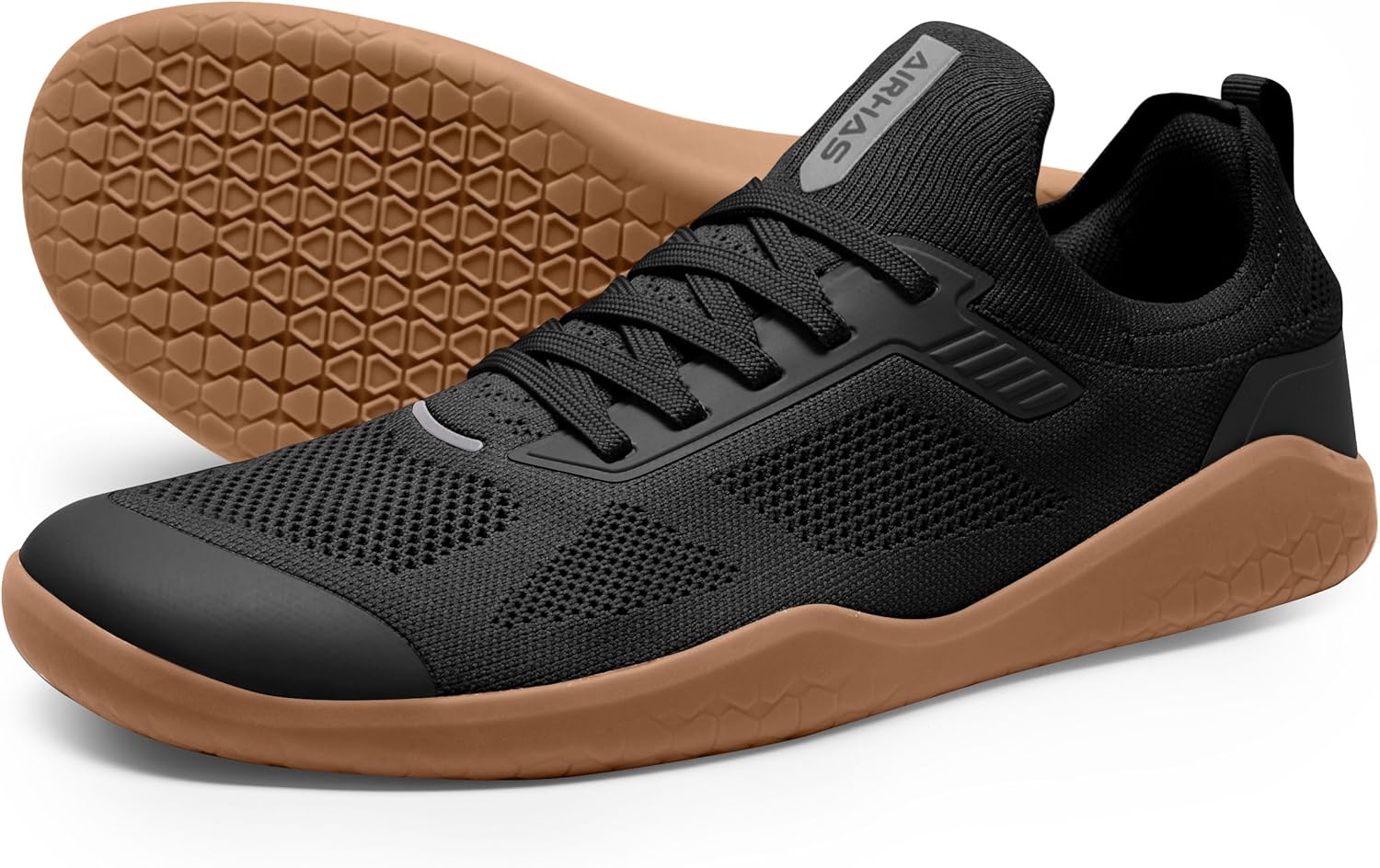
Recovery shoes support between sessions. Barefoot shoes train feet during workouts. Both fit into a foot-care routine for serious training.
*Tutorials do not constitute professional medical or fitness advice. Please consult a qualified professional before making decisions about your health or fitness routine.