5 Steps to Plyo Box Jump Fundamentals
A 5-step guide to plyo box jumps. Box jumps are the single best vertical-power training tool, but they're also where most home-gym injuries happen without the right technique.
Start with a 12-inch box, not your max
Beginners universally pick a box too tall. Start at 12 inches. The training stimulus is in the landing mechanics, not the height. Once you can land ten reps softly at 12 inches, progress to 18, then 24. Most adults cap at 24-30 inches even after years of training.
If you slap the box with your feet at the top, you jumped too low relative to your effort. The top of the jump should leave your feet about 2 inches above the box surface before you step down.
Land softly with bent knees
The landing matters more than the jump. Land on the balls of your feet, heels coming down smoothly, knees bent to absorb impact, hips back. A soft landing should be nearly silent. A loud landing means you're dropping straight-legged, and that's how knees and ankles get hurt.
If you feel the landing in your heels or lower back, you're not absorbing properly. Drop box height by 6 inches and rebuild the landing pattern. Height chases landing, not the other way around.
Step down, don't jump down
After each jump, step down off the box — don't jump down. Jumping down doubles the landing force on your knees and achilles. Step down with alternating feet to reset position. This is a non-negotiable rule with box jumps; skipping it is how ACL tears happen at home.
Doing box jumps for time (rapid-fire) is the CrossFit style that produced most of the box-jump injuries in gym culture. Home trainers should not do timed box-jump sets. Rest between reps.
Rest 30-60 seconds between reps
Box jumps are max-effort power work. Each jump should be full effort, and that requires real rest. Thirty to sixty seconds between reps lets the nervous system recover enough to deliver the next peak effort. Sets of 3-5 reps, 4-6 sets per session.
Fatigued box jumps lose their training value and add injury risk. If your jump height drops noticeably between reps, take longer rest or stop the set.
Foam box vs wood box: pick by experience level
Foam plyo boxes are more forgiving on missed jumps — shin scrapes turn into bruises instead of stitches. Use a foam box for the first 3 months. Wood boxes are the commercial standard and give better feedback on solid landings, but punish missed jumps. Progress to wood once your landing mechanics are reliable.
Missing a box jump into a wood edge is how box-jump scars happen. If you're uncertain about the jump, skip it. The foam box is worth the small premium for the safety feature.
Also consider: jump ropes and slam balls for power work
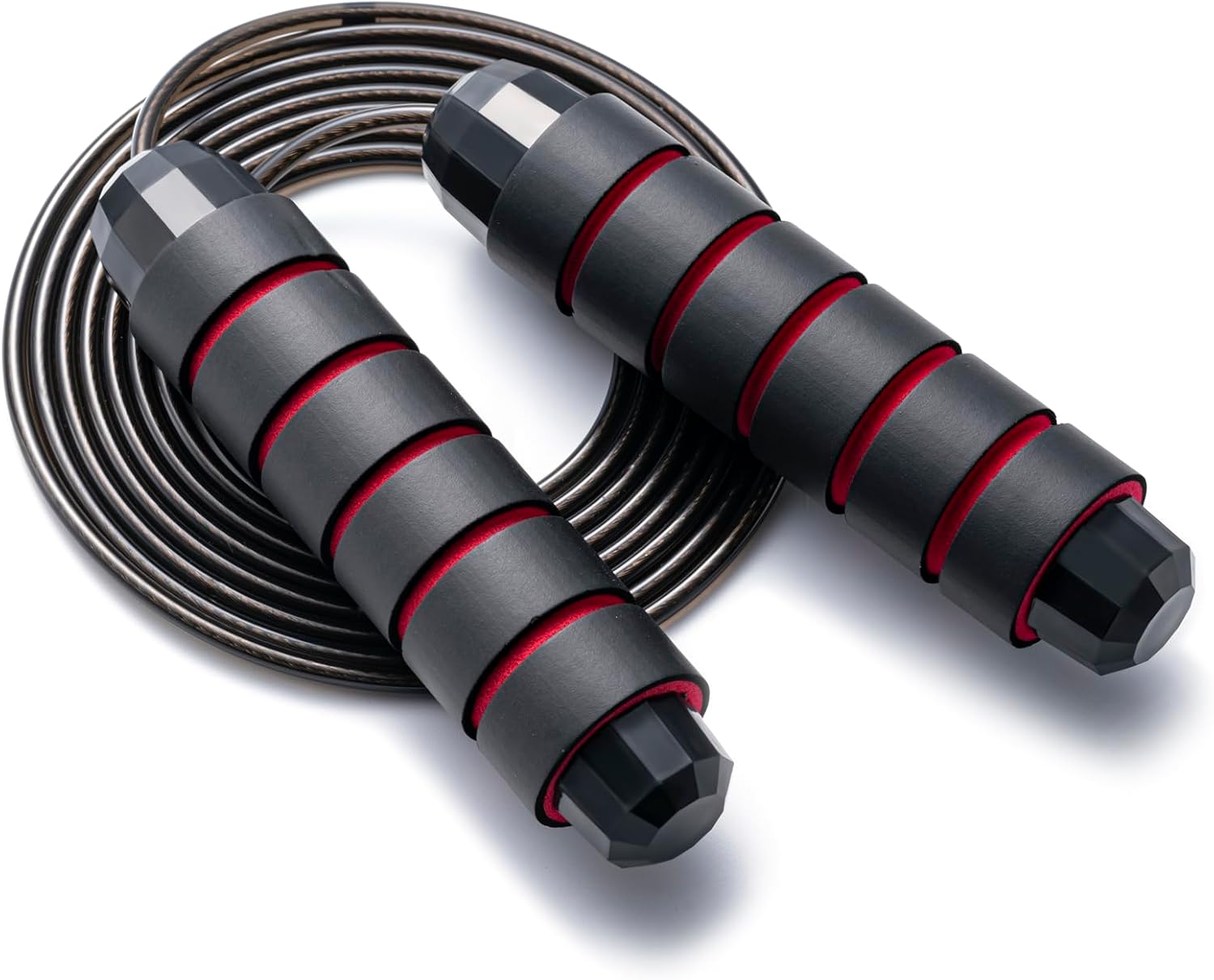
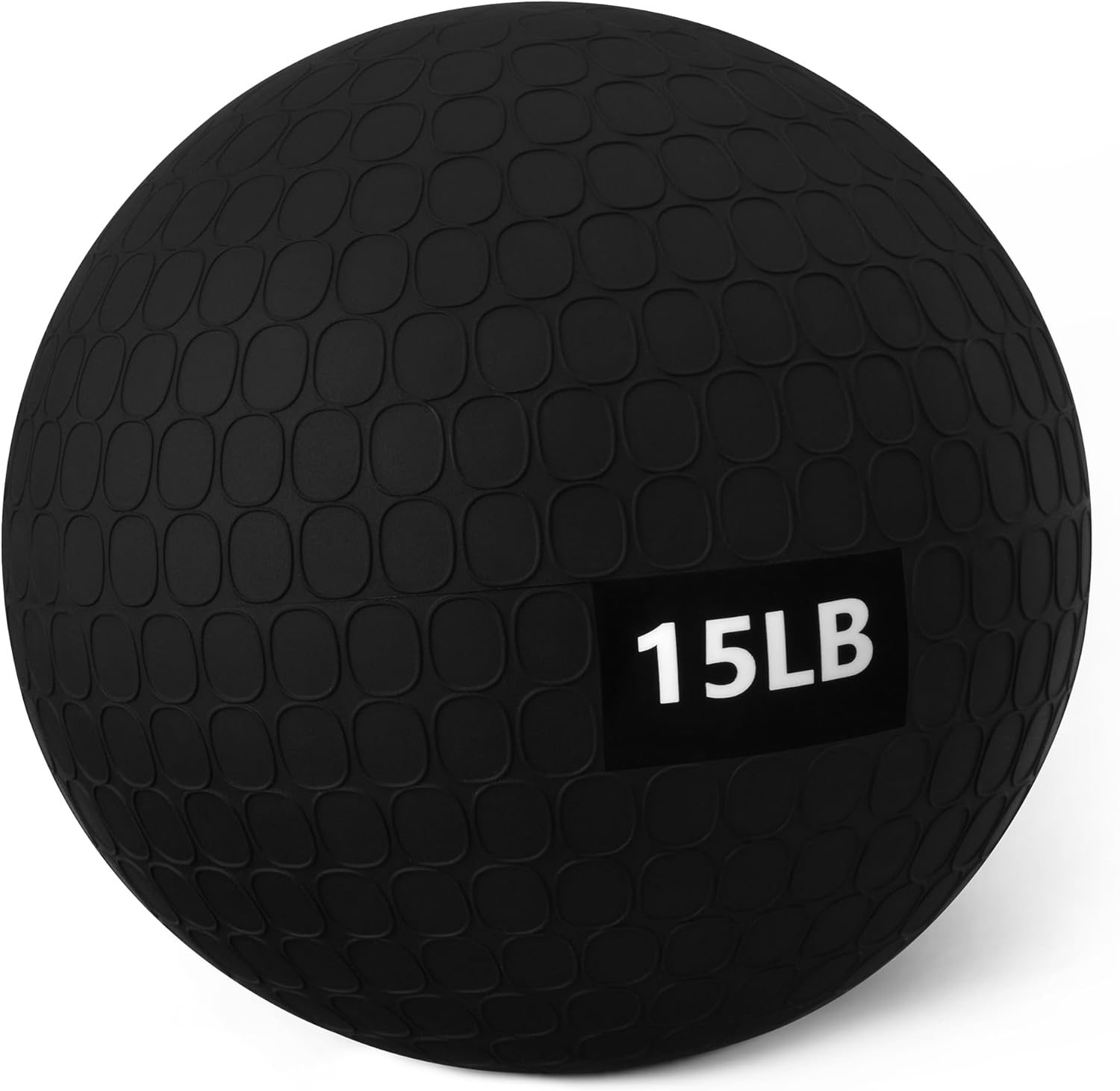
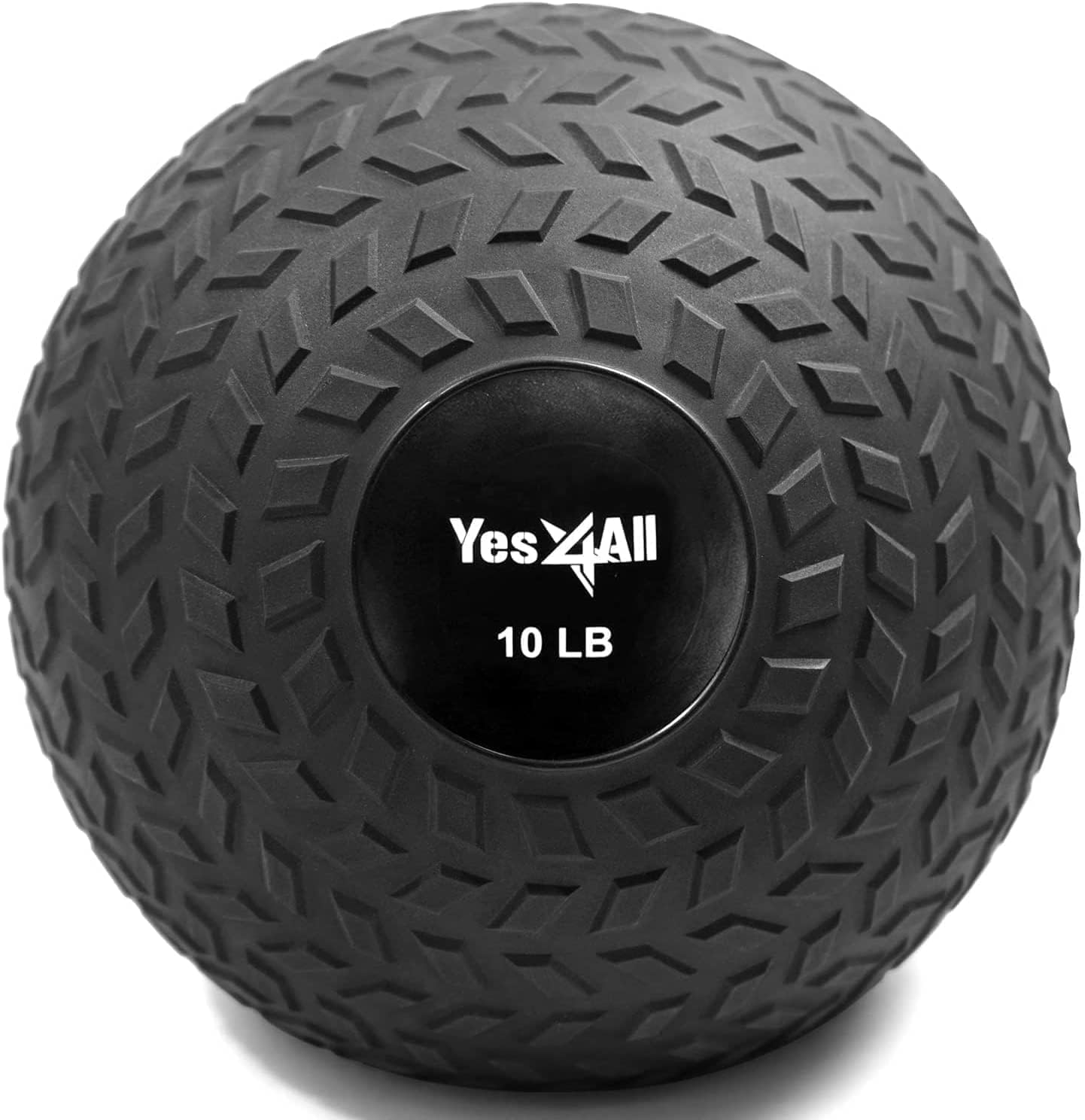
Plyo boxes train peak vertical power. Jump ropes train sustained plyometric cardio; slam balls train explosive full-body power. Different power modalities fit different training slots.
*Tutorials do not constitute professional medical or fitness advice. Please consult a qualified professional before making decisions about your health or fitness routine.