5 Steps to Use a Massage Gun Correctly
A 5-step guide to massage gun use — pre-workout warm-up, post-workout recovery, and trigger-point protocols. Most users buy a massage gun and use it wrong; this covers the basics.
Pre-workout: 30-60 seconds per muscle group
Use the massage gun on muscle groups you'll train in the next 5 minutes: quads before squats, lats before pull-ups, chest before bench. Thirty to sixty seconds of light percussion activates the muscle without fatiguing it. This is warm-up, not recovery.
Don't spend 5 minutes per muscle pre-workout. You'll fatigue the muscle before training. Brief activation, then move into your warm-up sets.
Post-workout: 1-2 minutes per muscle group
After training, use the gun for 1-2 minutes per trained muscle at moderate intensity. This is where DOMS reduction happens — percussion increases blood flow and helps clear metabolic waste. If your gun has a cold head (like the RENPHO Thermacool), use it on heavily-worked muscles for inflammation management.
Avoid the spine, kidneys, and neck — percussion over these areas can cause injury. Stay on the fleshy parts of muscles (quads, glutes, lats, chest) and avoid joints, bones, and the midline.
Trigger-point work: 30 seconds on the knot
Find the specific tight spot (usually in the upper traps, between shoulder blades, or in the quads/IT band), place the gun on it at moderate-high intensity, and hold for 20-30 seconds. This is enough to reset the muscle spindle that's holding the tightness.
If pain radiates down an arm or leg, stop immediately — you may be compressing a nerve. Move to a different spot. Percussion on nerves is a real risk with handheld tools.
Use the right head for the area
Massage guns ship with multiple heads: the large ball for big muscle groups, the fork for the spine-adjacent musculature (paraspinals), the flat head for broad areas, the bullet head for pinpoint trigger points. Don't use the bullet head on large groups — it's too aggressive. Don't use the ball on trigger points — it spreads the pressure too wide.
Skip the bullet head until you've had the gun for a month. It's aggressive enough that beginners frequently bruise themselves. Start with the ball and large flat heads.
Know when NOT to use it
Skip the massage gun on open wounds, acute injuries (less than 48 hours), varicose veins, pregnant abdomen, and over implanted medical devices (pacemakers, stents). If you're managing an injury, ask your PT before adding percussion. The gun helps 80% of recovery use cases but isn't universal.
Percussion on an acute injury can worsen it. Ice, elevation, and 48 hours of rest first. Percussion comes later when inflammation is past peak.
Also consider: massage sticks and foam rollers
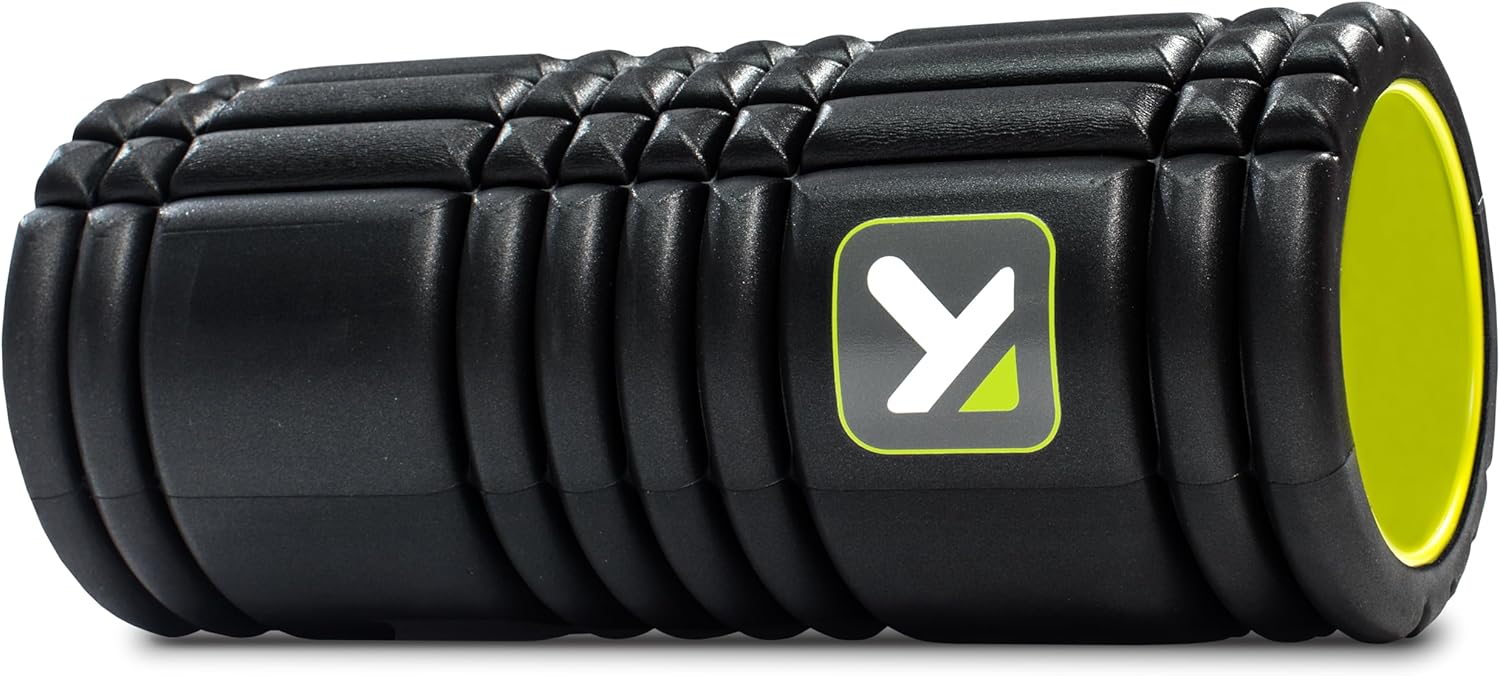
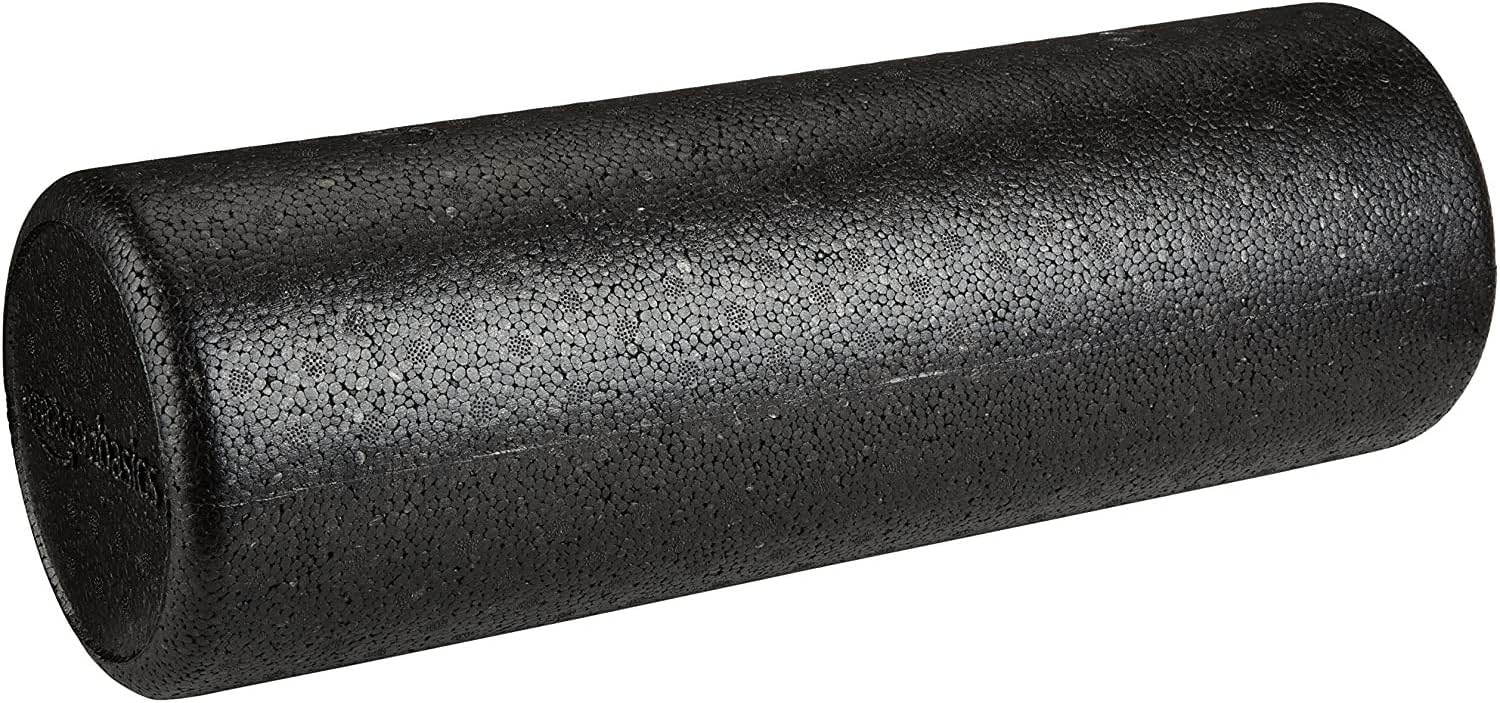
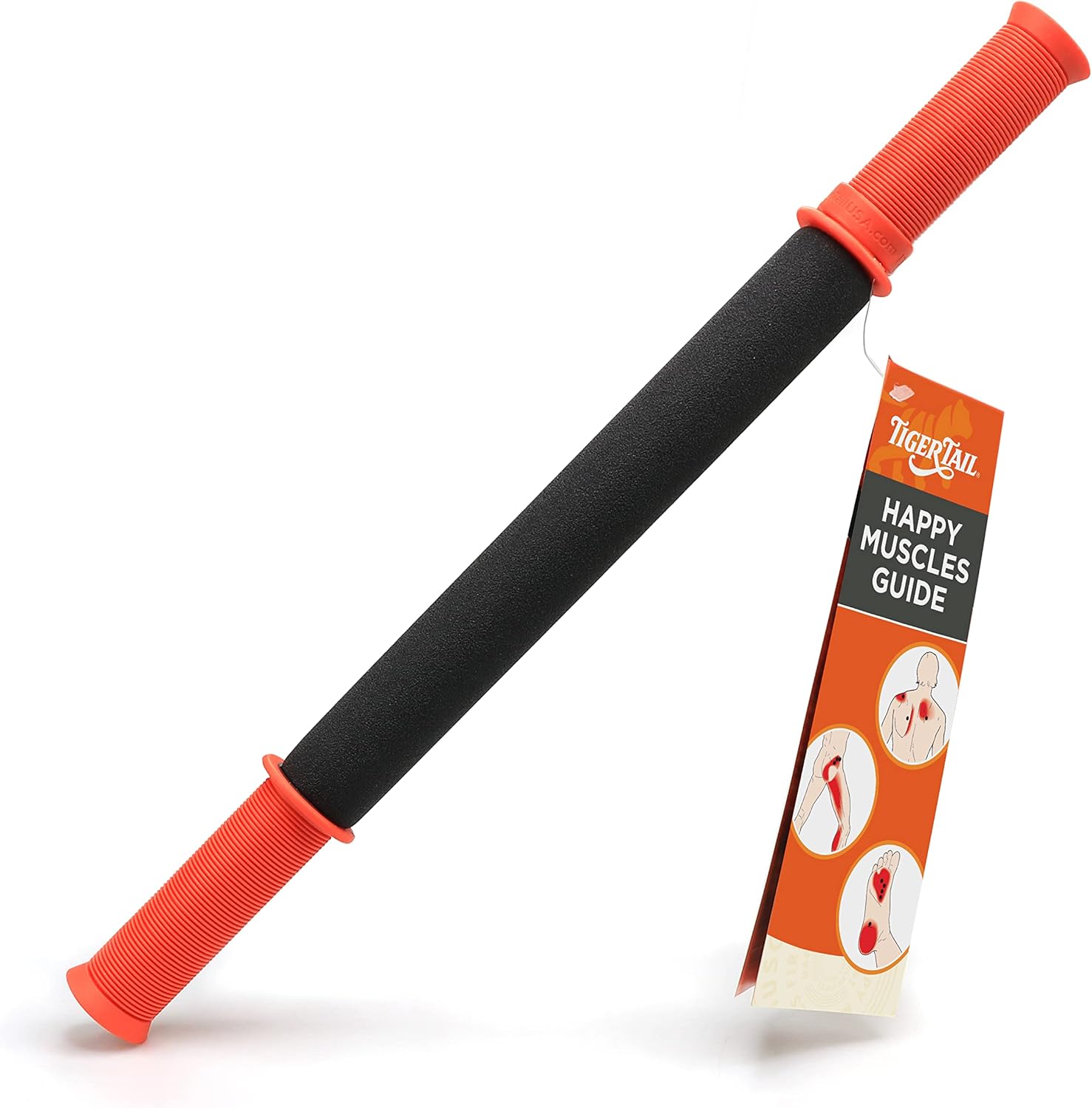
Massage guns deliver percussion; foam rollers and massage sticks deliver pressure differently. Many recovery routines use all three — gun for trigger points and post-workout, roller for broad release, stick for targeted handheld work.
*Tutorials do not constitute professional medical or fitness advice. Please consult a qualified professional before making decisions about your health or fitness routine.