Jump Rope Conditioning: 8-Week Progression
An 8-week jump rope program that takes you from awkward first bounces to confident HIIT intervals. Fifteen minutes, three times a week, in any space with a ceiling.
Size your rope
Stand on the middle of the rope with one foot. Pull the handles up — they should reach your armpits (not your shoulders, not your chest). Most adjustable ropes let you shorten by moving the cable through the handle. Cut or loop excess cable so it doesn't slap your legs.
A rope that's too long hits the floor too early and trips you. A rope that's too short catches your feet on the way over. Armpit height is the universal starting length.
Week 1-2: Basic bounce · 30 sec on / 30 sec rest x 10
Jump with both feet together, landing on the balls of your feet. Small jumps — just enough clearance for the rope. Wrists do the turning, not your arms. If you trip, reset and go again. The goal is 30 unbroken bounces.
Keep your elbows pinned to your sides. If your arms drift away from your body, the rope gets shorter and catches your feet.
Week 3-4: Alternate foot · 30 sec on / 30 sec rest x 10
Switch from two-foot bounces to alternating feet — like running in place but with a rope. This is the fundamental jump rope cadence used in boxing, CrossFit, and general conditioning. Aim for a smooth, even rhythm.
Don't lift your knees high — this is running in place, not high knees. Minimal foot lift, maximum turnover speed.
Week 4-5: Extend intervals · 1 min on / 30 sec rest x 8
Same alternate-foot pattern but double the work interval. You'll feel the cardio demand increase significantly. If you can't hold 1 minute straight, drop back to 45 seconds and build up.
Your calves will burn before your lungs give out. This is normal — calf endurance catches up in 2-3 weeks.
Week 5-6: HIIT intervals · 20 sec sprint / 10 sec rest x 8 (Tabata)
Maximum-speed jumping for 20 seconds, rest for 10 seconds, repeat 8 rounds (4 minutes total). This is a Tabata protocol — the most time-efficient conditioning format that exists. It should feel very hard by round 5.
Don't sacrifice form for speed. If you're tripping every round, you're going too fast. Find the fastest cadence you can maintain without breaking rhythm.
Week 6-7: Weighted rope sessions · 1 min on / 30 sec rest x 8
Switch to a weighted rope (1 lb) for dedicated shoulder-endurance sessions. The cadence will drop — that's the point. Your shoulders and forearms are now doing meaningful work every rotation. Alternate with speed rope days.
The weighted rope will feel awkward at first — the timing changes because the rope moves slower. Give yourself 2-3 sessions to adjust.
Week 7-8: Mixed programming
Alternate between speed rope days (Tabata intervals) and weighted rope days (steady-state endurance). Add 1 minute per week to your longest continuous interval. By week 8 you should hold 3+ minutes of continuous alternate-foot jumping on the speed rope.
Don't do weighted and speed in the same session until your shoulders can handle it. They're different stimuli and stacking them early leads to overuse soreness.
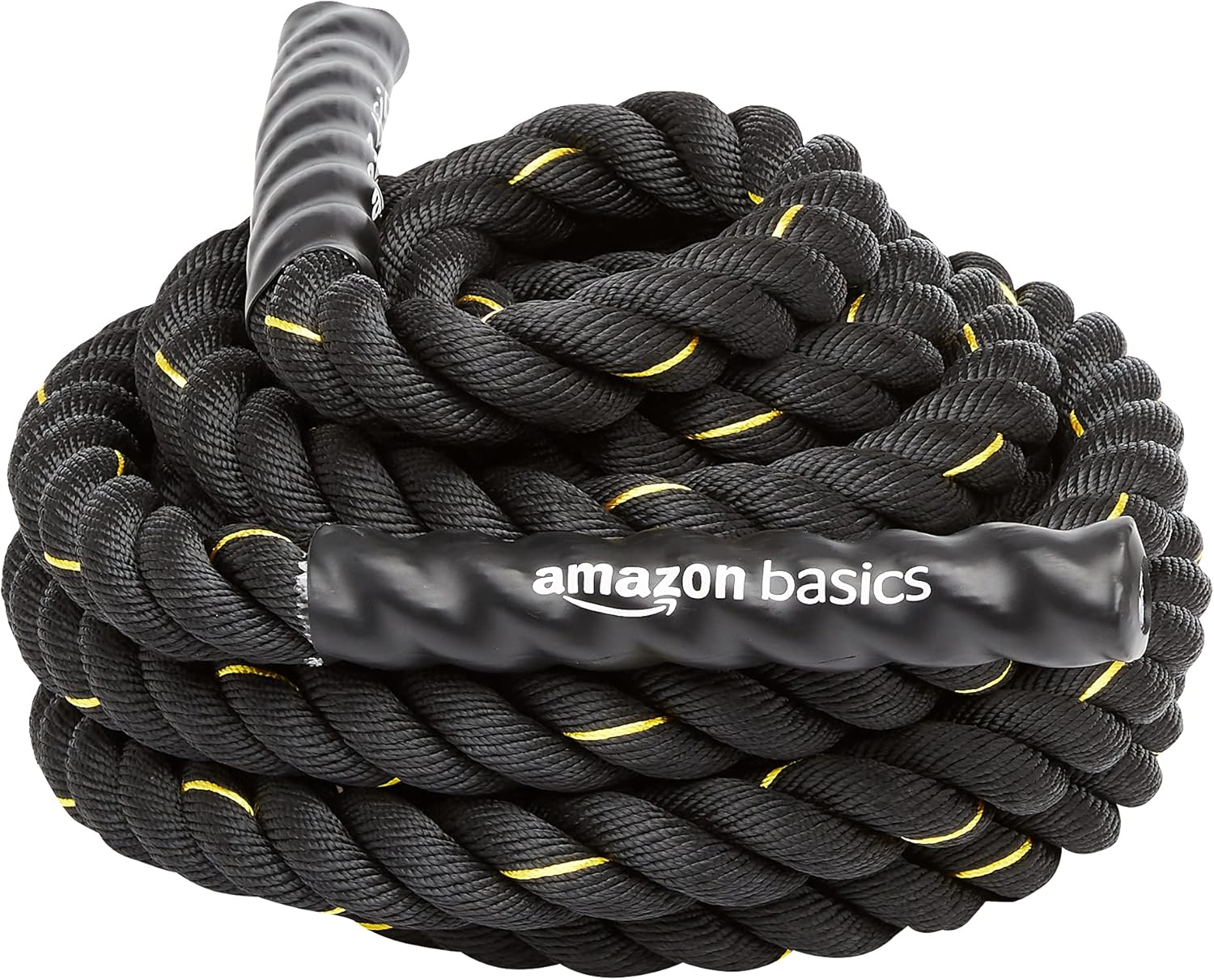
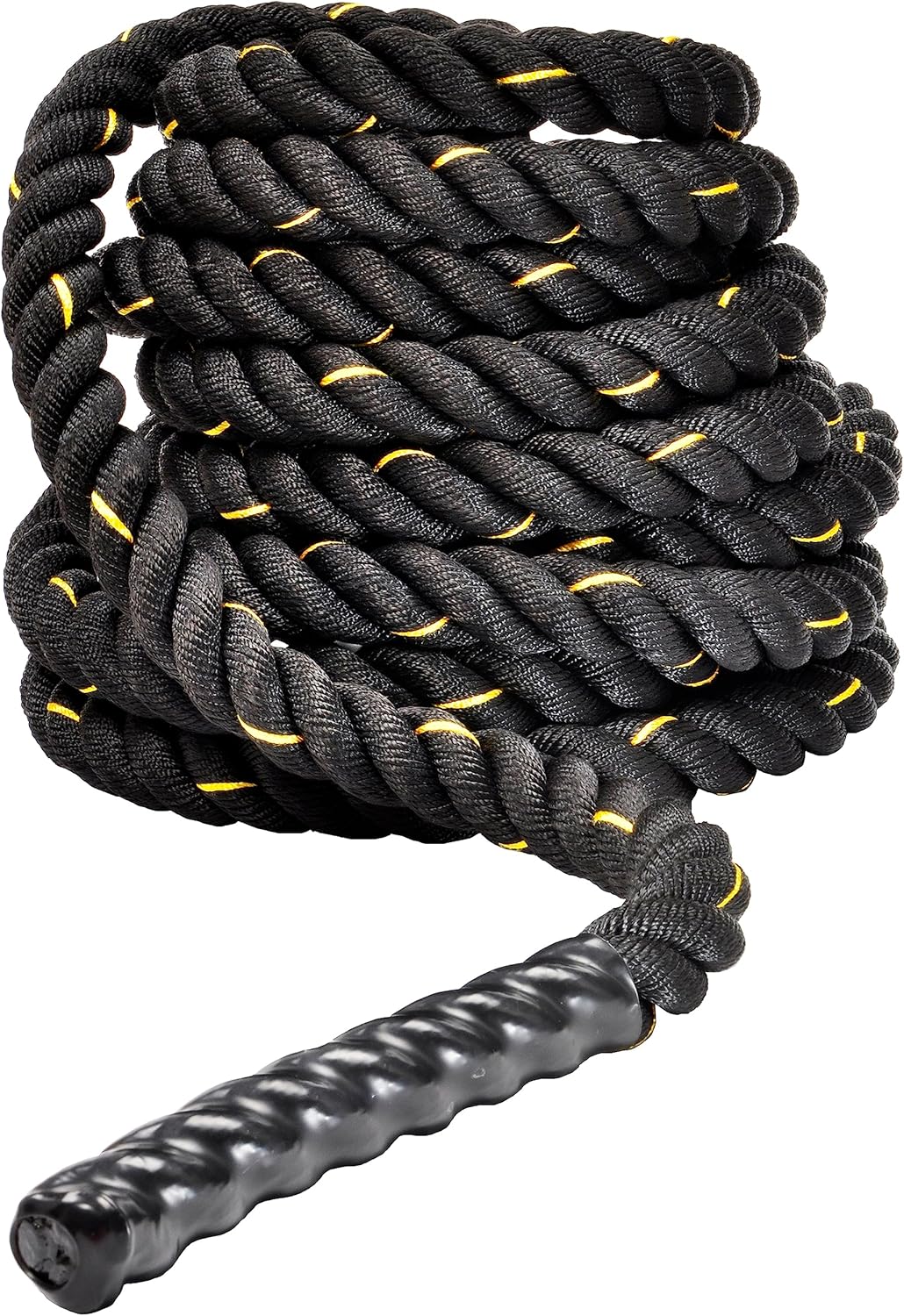
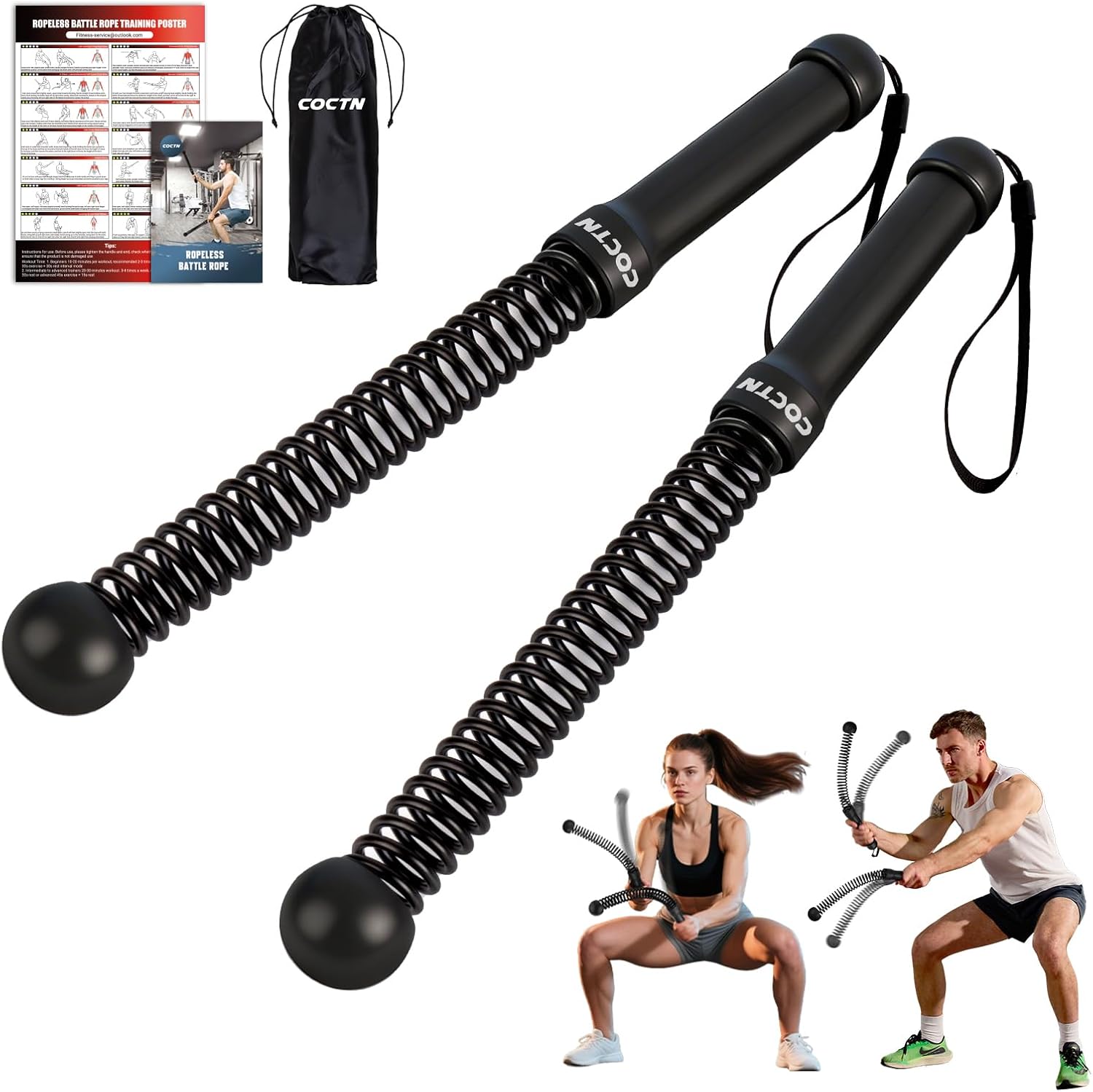
Also consider: battle ropes for higher-intensity conditioning
Jump rope is low-impact and portable. For higher-intensity arm-and-core conditioning when you have the anchor space, battle ropes deliver a different stimulus.
*Tutorials do not constitute professional medical or fitness advice. Please consult a qualified professional before making decisions about your health or fitness routine.