5 Steps to Safe Inversion Table Use
A 5-step guide to inversion table use for back decompression. Most users invert too aggressively on session one and get headaches or nausea. This avoids that.
First session: 30 degrees for 2 minutes only
Do not fully invert in your first session. Set the angle to roughly 30 degrees from vertical (head slightly below waist) for 2 minutes. This lets your vascular system adapt to the head-down position without triggering the lightheadedness most first-time users experience.
If you feel blood pressure in your ears, stop at once and sit up slowly. This is your body telling you to progress more gradually. Some people never tolerate full inversion — 30-45 degrees delivers most of the decompression benefit.
Progress the angle over weeks
Week 1: 30 degrees for 2-5 min sessions. Week 2: 45 degrees for 5-8 min. Week 3+: 60-90 degrees for 8-15 min. Never progress angle AND duration in the same week — one variable at a time. This slow progression lets vascular and musculoskeletal systems adapt.
Full 90-degree inversion isn't required for back-care benefit. Many orthopedists actually recommend staying at 60 degrees. Chase back-decompression results, not maximum angle.
Secure ankle locks every time
The ankle lock is the single point of failure. Every session, test the lock by gently pulling against it before inverting. It should hold firm. Replace the lock mechanism immediately if it shows any wear — the inversion table is the one piece of equipment where a mechanical failure is genuinely dangerous.
If the ankle lock feels loose or the padding has compressed, stop using the table until replaced. Falling head-first from an inverted position can cause serious injury. This isn't a maintenance task to defer.
Breathe normally throughout the session
Breath-holding during inversion raises blood pressure sharply. Breathe normally — slow deep breaths through the nose. Many users unconsciously hold their breath from the novelty; make the breathing conscious until it becomes natural. The session should feel calm, not like holding a position.
If you can't breathe normally because the position feels too intense, drop the angle. Inversion with held breath is high-risk for blood pressure spikes in people with any cardiovascular history.
Stop immediately if you experience any warning signs
Stop the session and sit up slowly if you experience: vision changes, ringing in the ears, nausea, headache, chest pressure, or numbness in limbs. These are signs the position isn't working for you today. Resume next session at a lower angle and shorter duration. Chronic issues mean consult a doctor.
Inversion tables are not universally safe. People with uncontrolled high blood pressure, glaucoma, heart disease, recent stroke, or pregnancy should consult a doctor before use. When in doubt, ask first.
Also consider: complementary back-care tools
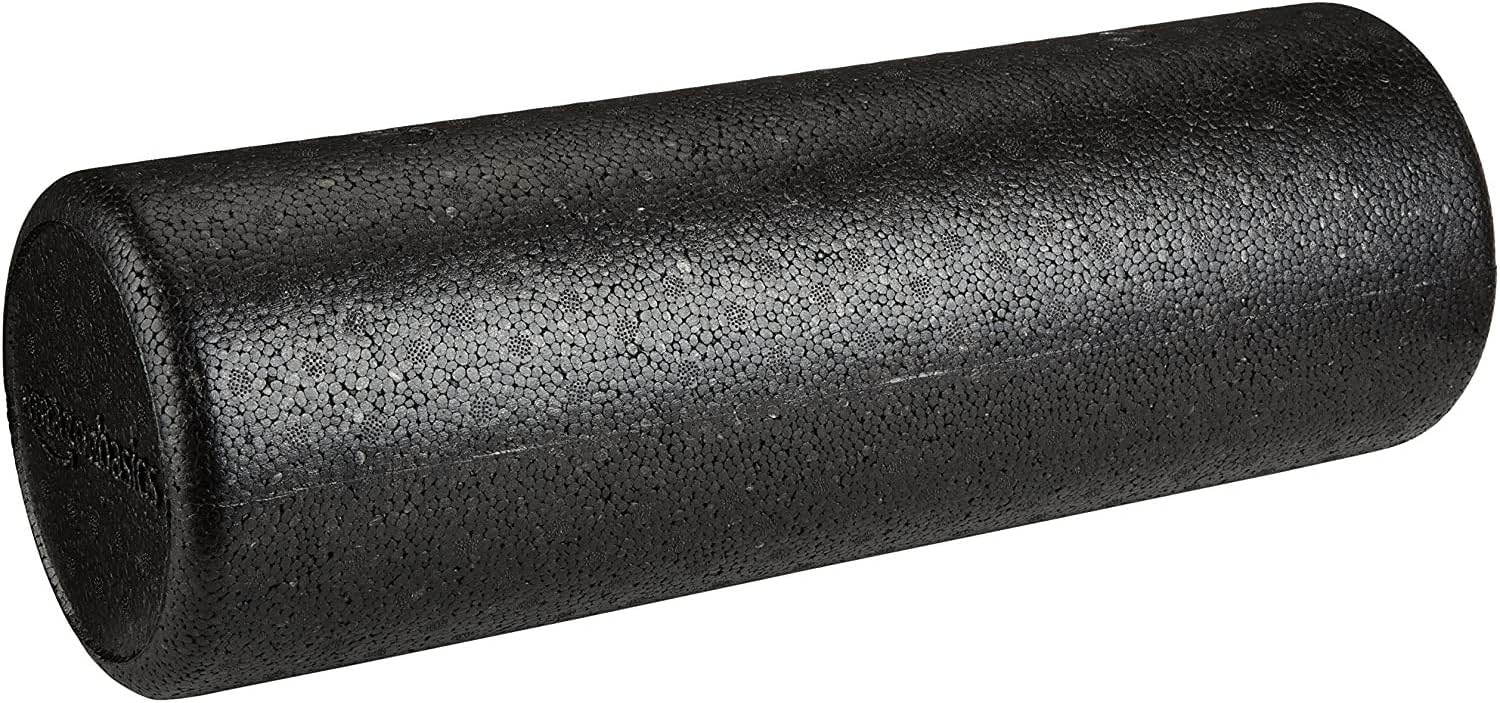
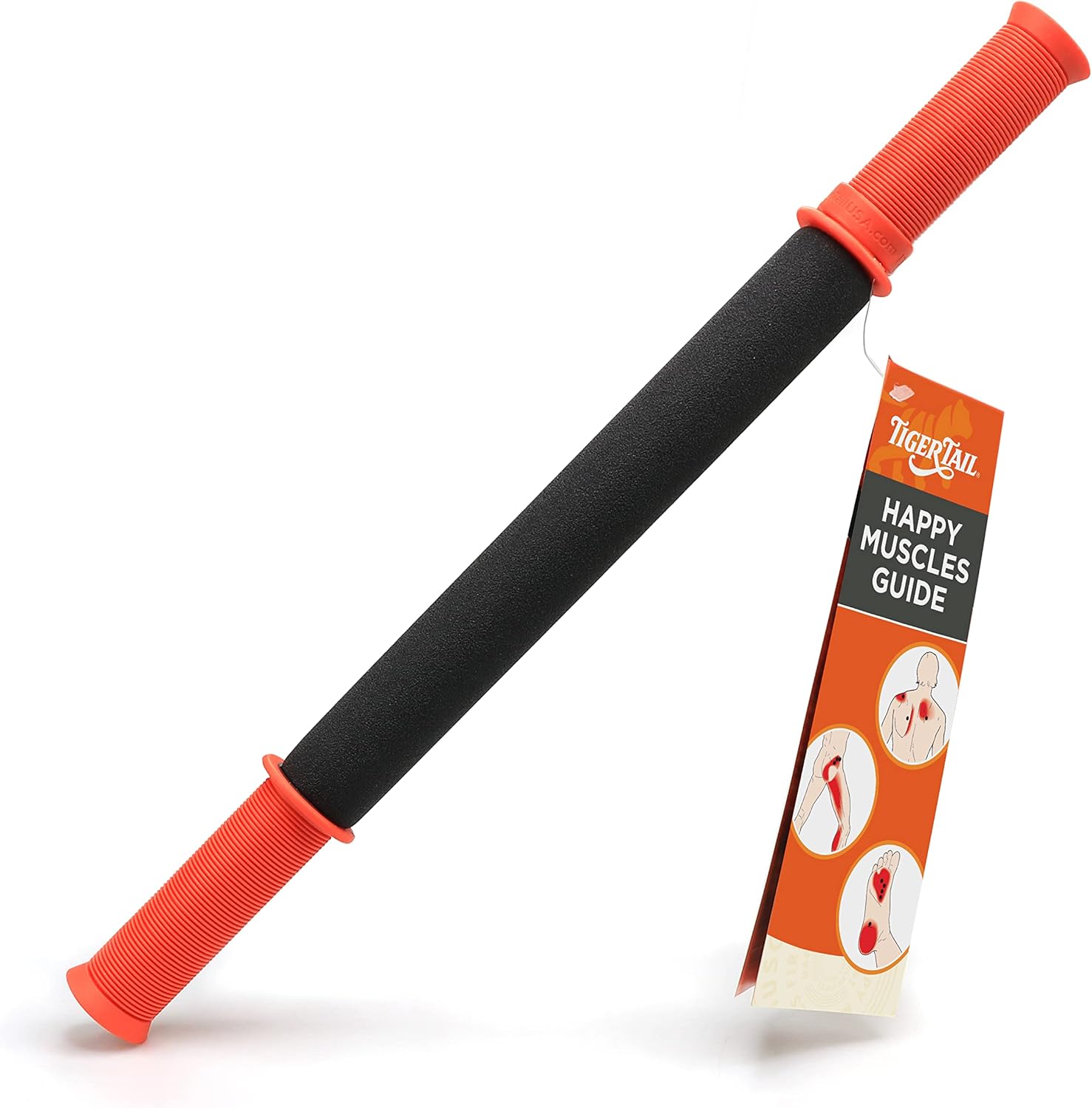
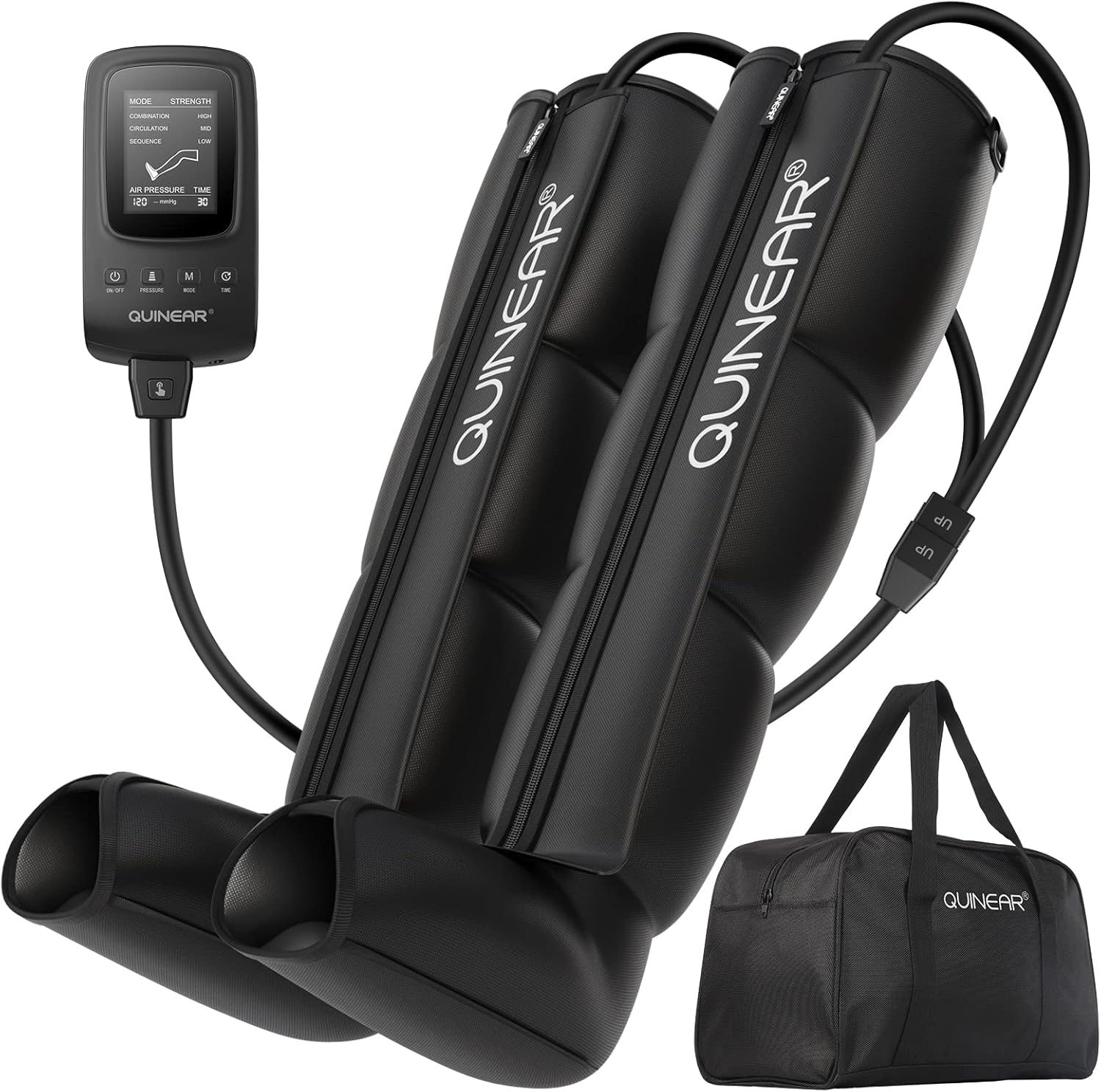
Inversion tables decompress the spine. Foam rollers release surrounding soft tissue; massage sticks target pinpoint knots; compression boots address leg recovery. Back care usually benefits from layering.
*Tutorials do not constitute professional medical or fitness advice. Please consult a qualified professional before making decisions about your health or fitness routine.