5 Steps to Insulated Water Bottle Strategy
A 5-step guide to insulated water bottle selection and use. The right bottle + right ice strategy keeps water cold for a full workday.
Pick size by daily hydration goal
Daily water intake varies but 64-96 oz is typical for adults. Pick a bottle that hits your goal in 2-3 refills. 32 oz bottle → 2-3 refills. 40-oz traveler → 2 refills. 64 oz half-gallon → 1-2 refills. Bigger bottles = fewer refills but more weight carried.
Buying a 64 oz bottle when you actually drink 40 oz/day means you're carrying 3 lbs of extra water. Size matters to actual use.
Pre-chill the bottle for cold drinks
Fill the bottle with cold water and 2-3 ice cubes, swirl for 30 seconds, dump. Now fill with your actual water + fresh ice. This pre-chill step drops the metal temperature and extends ice retention by 4-6 hours. Skip it and ice melts 50% faster.
Hot bottles from sitting in a hot car need 10-15 minutes of ice-water soaking to reset. A warm bottle immediately melts any ice you add.
Use the ice-to-water ratio that matches need
For 8 hours cold: 20% ice by volume (fill 20% with ice, 80% water). For 16+ hours cold: 40% ice by volume. Crushed ice melts faster than cubes; large cubes (silicone mold) last longest. If your bottle has a narrow neck, buy ice cube trays that match.
Too much ice makes the bottle slow to drink from — the straw gets blocked. 20-30% is the sweet spot for most bottles.
Clean weekly to prevent biofilm
Insulated bottles accumulate biofilm faster than you'd expect — slime on the interior within 2-3 weeks of daily use. Weekly: fill with hot water + a drop of dish soap + a teaspoon of baking soda, shake for 30 sec, let sit 10 min, rinse thoroughly. Monthly: use a bottle brush to scrub.
Funky taste in your water means biofilm has started. Clean immediately. Ignoring it doesn't make it go away — it grows.
Know which bottle for which scenario
Workday at a desk: 32 oz bottle with straw lid. Workouts: 24-32 oz bottle with chug lid. Long drives: 40 oz traveler with carry handle. Airport security: 32 oz or smaller, empty at screening. Cold weather: narrow-mouth bottle retains heat better than wide-mouth.
One bottle doesn't cover every use case. Most households end up with 2-3 bottles over time. Buy bottles for actual scenarios, not a single do-it-all.
Also consider: electrolytes and hydration gear
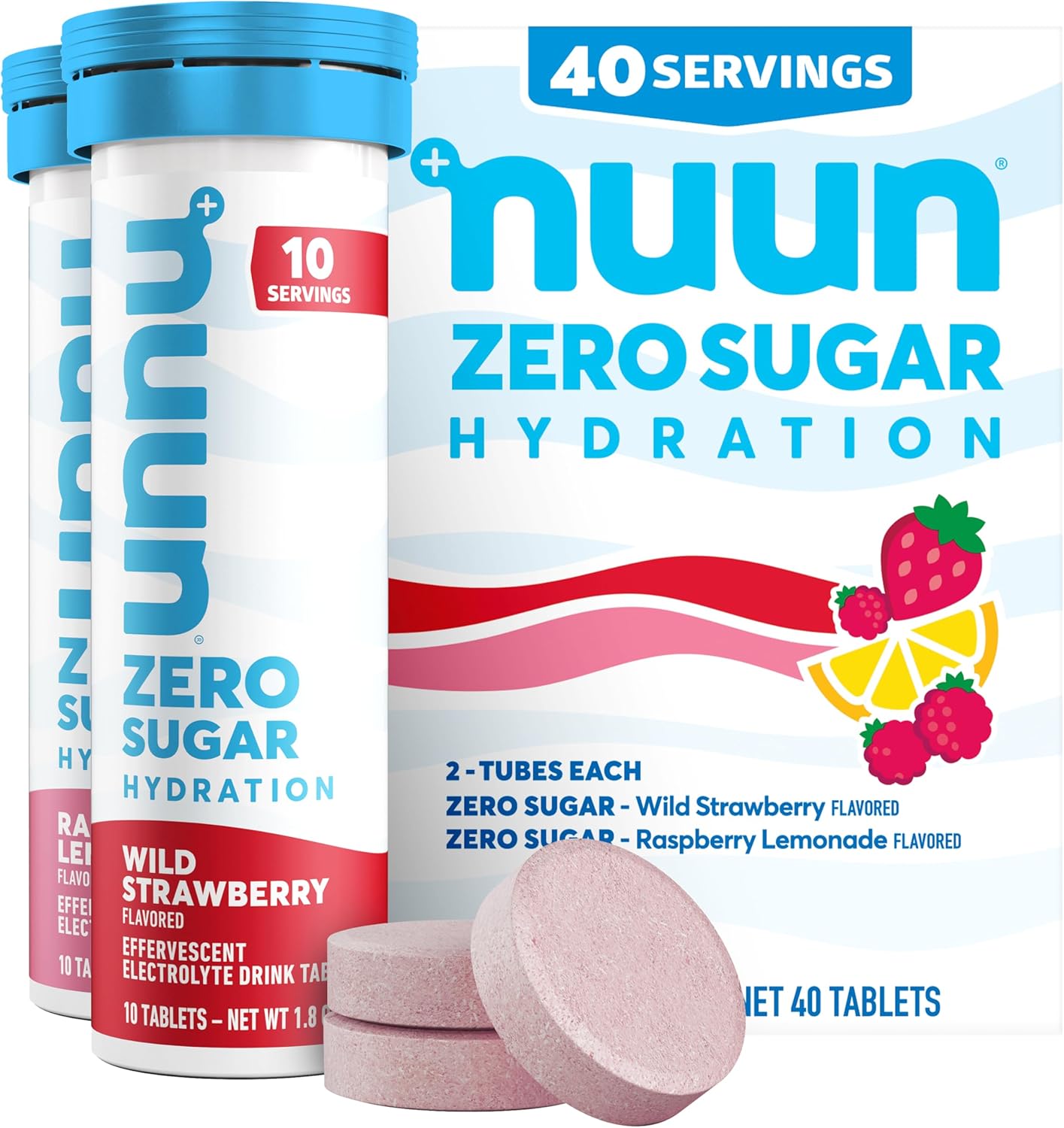
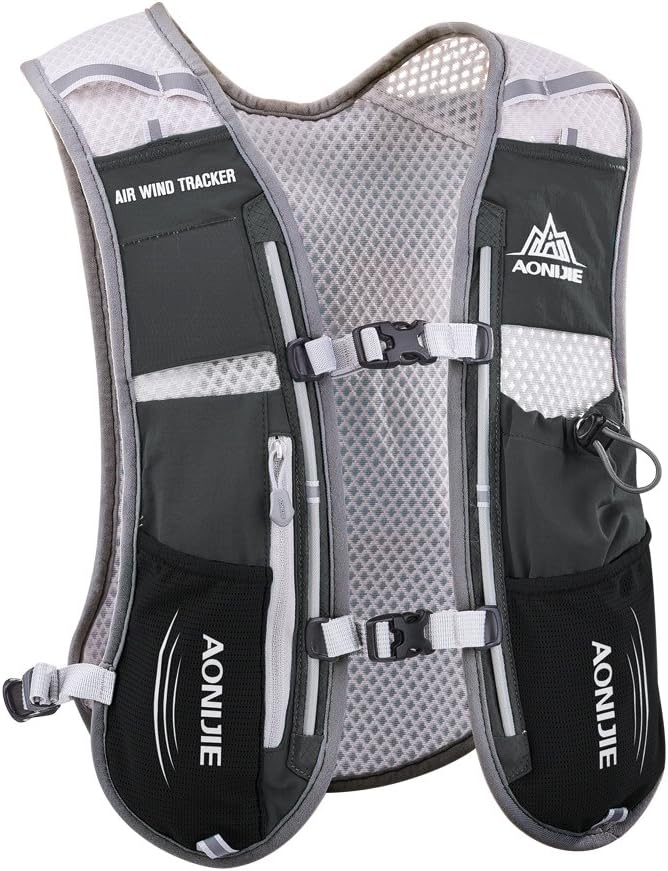
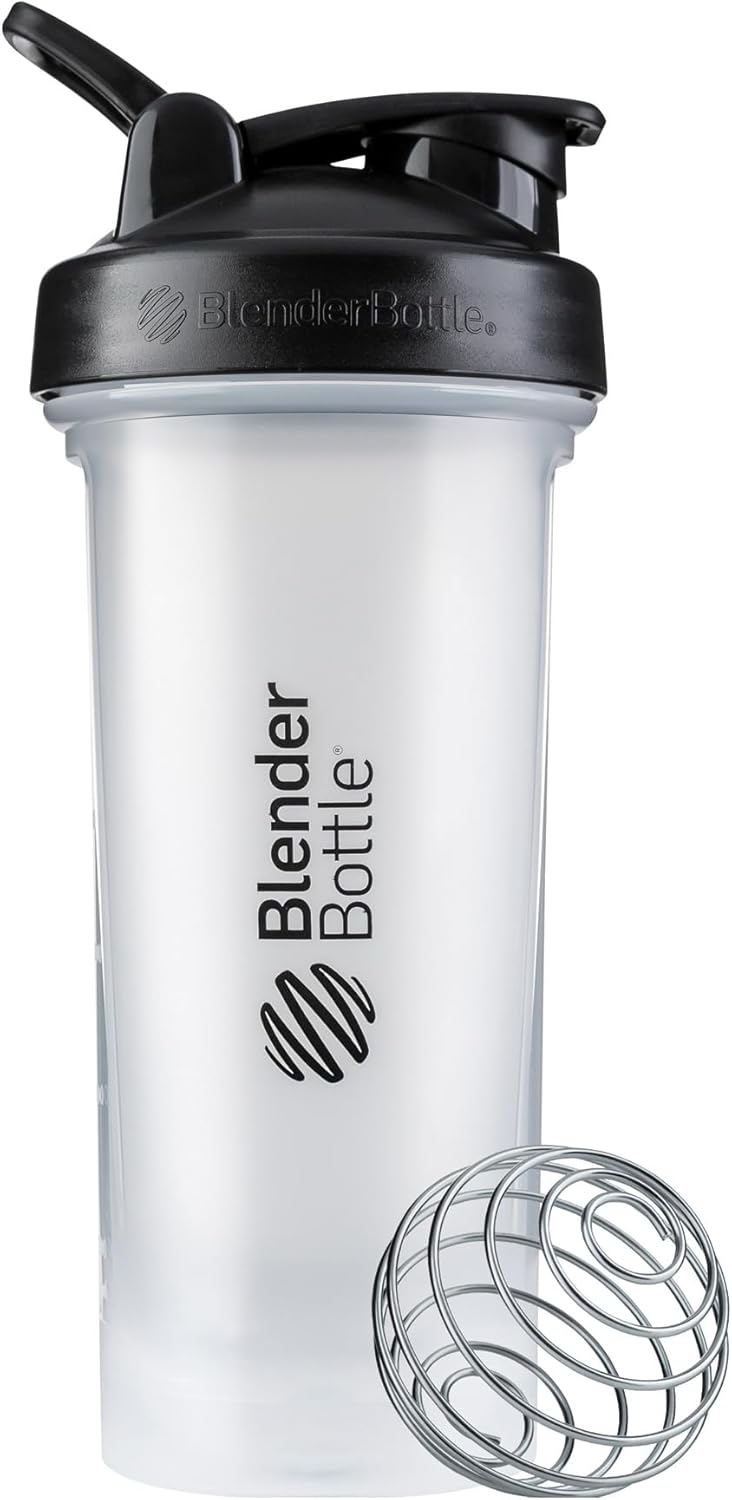
Insulated bottles deliver cold water. Electrolytes replace what you lose sweating; hydration vests carry water during long runs; shaker bottles mix protein or pre-workout. Different vessels for different hydration roles.
*Tutorials do not constitute professional medical or fitness advice. Please consult a qualified professional before making decisions about your health or fitness routine.