5 Steps to Use a Hydration Vest for Long Runs
A 5-step guide to hydration vest use. The fit-vs-function problem derails most new vest owners; this gets it right the first time.
Size for the torso, not the shoulders
Hydration vests fit around the torso (chest-and-upper-abdomen circumference), not the shoulders. Measure your chest at the widest point and match to the brand's sizing chart. Most brands run small — if you're between sizes, go up. A vest too tight restricts breathing.
Ill-fitting vests shift during running, which causes nipple chafe and constant adjustments. The fit is the first thing to get right — everything else matters less.
Balance front flasks with back storage
Two soft flasks in the front chest pockets (500 mL each = 1 L total). Use the back pocket for gels, a phone, and a light jacket — not for additional fluid. Front-heavy load is stable during running; back-heavy bounces. If you need more than 1 L fluid, use a bladder in the main compartment.
Putting a 500 mL flask in the back pocket shifts the center of gravity and causes bounce. Flasks stay in the front; back is for gear.
Practice fit adjustments on a short run first
Never use a new vest on race day. Do a 5-mile training run with the vest loaded to your intended race weight. Identify chafe points, adjust the straps, and test the soft flask access (can you drink without breaking stride?). Fix issues now, not at mile 15.
Blister on the ribs at mile 10 means the side strap is too tight. Chafe on the shoulders means the vest is too loose and sliding. Both are fixable before race day if you catch them in training.
Keep soft flasks clean between runs
Soft flasks grow bacteria if left wet or if they carried anything besides water (electrolyte mix, gel residue). Rinse after every use, turn inside-out to dry. Deep clean weekly: soak in hot water + a drop of dish soap + a teaspoon of white vinegar, rinse thoroughly, air dry.
A musty smell in your flask means bacterial growth has started. Discard the flask — you won't fully eliminate the smell and bacteria after that point. Replace for safety.
Know when a vest beats a bottle
Vest over bottle when: run exceeds 60 minutes, trail running with no aid stations, need to carry gels/jacket/phone, or you drink frequently during runs. Bottle over vest when: run is under 60 minutes with fluid access, you train in an urban area with water fountains, or you dislike wearing gear.
Vests become routine after 3-4 uses. The initial discomfort of 'running with a pack' fades. Don't abandon the vest after one uncomfortable run — most vest owners have this experience.
Also consider: running hydration fuel
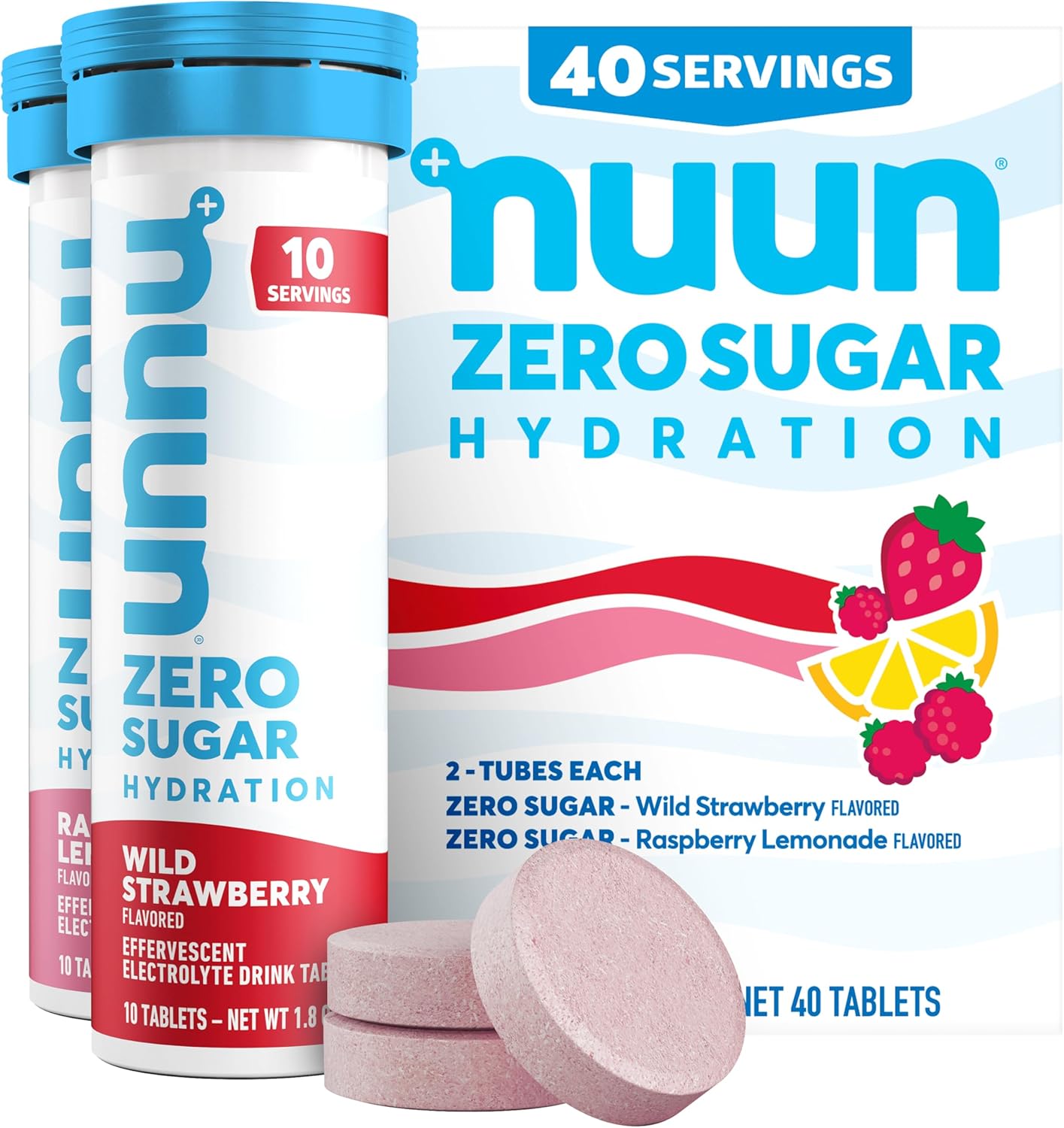
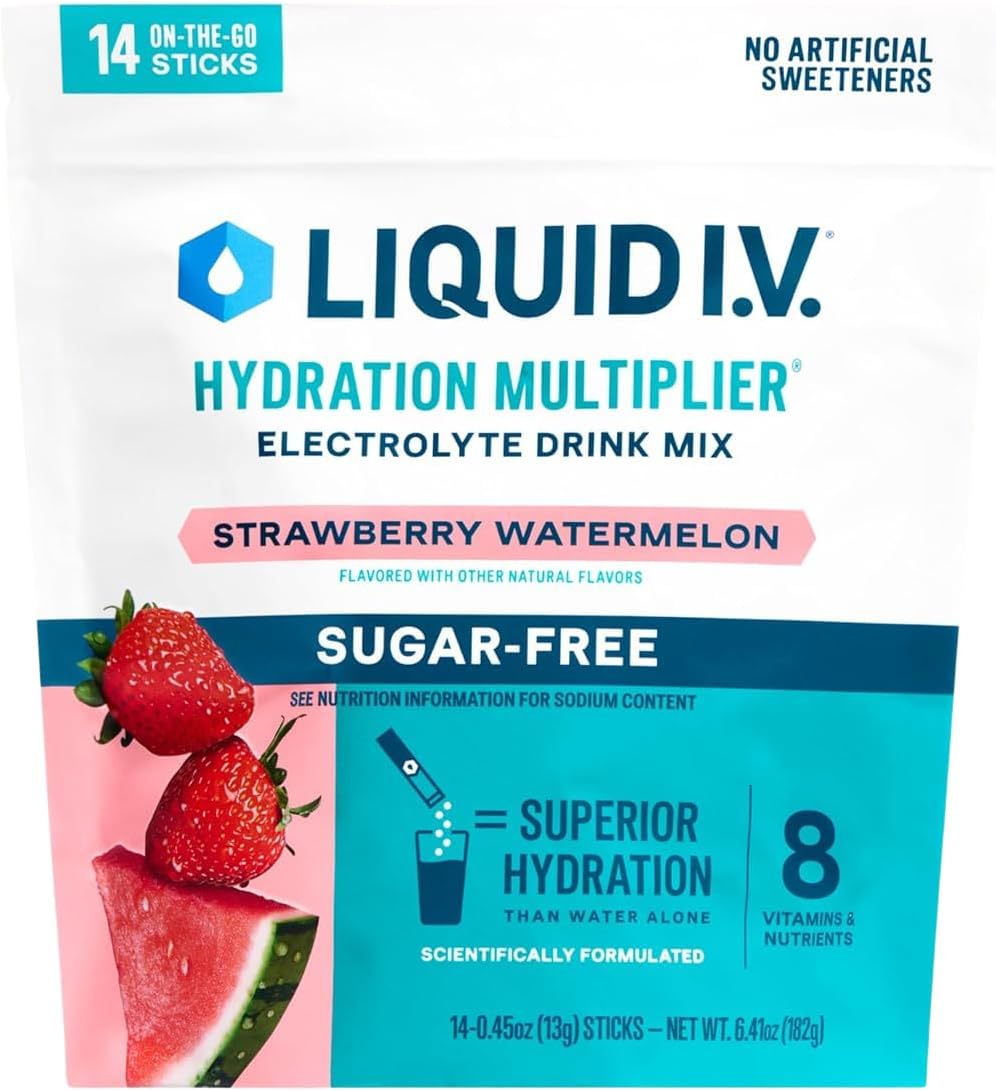
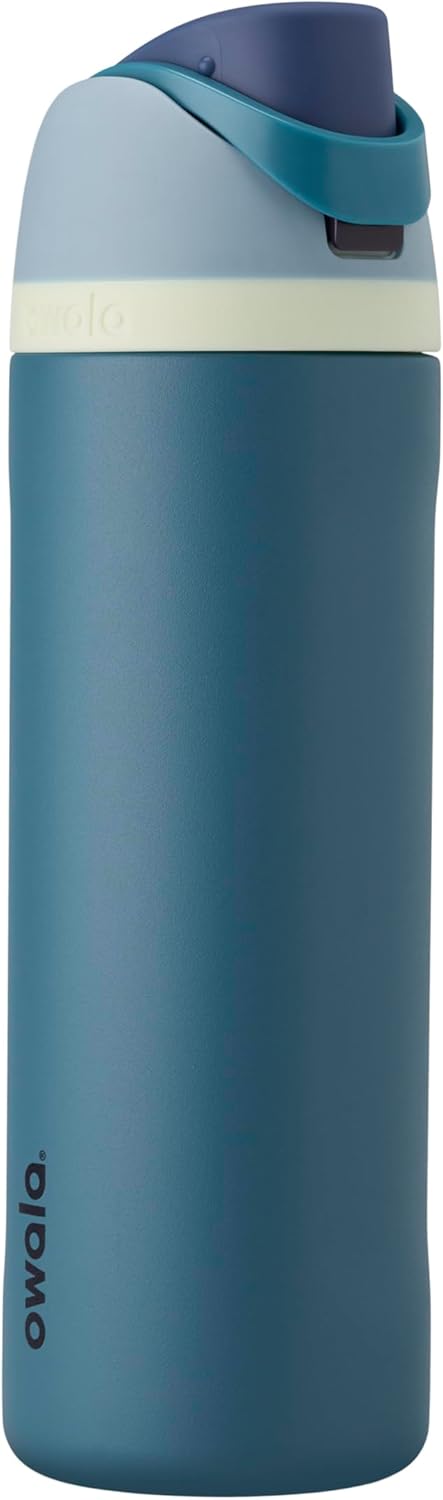
Vests carry water; electrolytes replace what you lose; insulated bottles cover shorter runs. Long-distance running hydration is a three-product system.
*Tutorials do not constitute professional medical or fitness advice. Please consult a qualified professional before making decisions about your health or fitness routine.