5 Steps to Program a Weight-Stack Home Gym
A 5-step guide to building a structured strength program around a 150-lb weight-stack home gym. Covers station choice, rep ranges, progression, and how to avoid the 'use every station every day' beginner trap.
Pick 6 compound exercises you'll rotate
Home gyms have ten stations but you don't need all ten. Pick 6 that cover every major movement pattern: lat pulldown (vertical pull), cable row (horizontal pull), chest press (horizontal push), shoulder press (vertical push), leg extension (knee extension), leg curl (knee flexion). This covers full body in one session.
Don't add stations for variety's sake. More stations means less focus per station means slower progression. Six well-trained movements beats ten half-trained ones.
Set rep range by weight stack cap
At a 150-lb max cable stack, most lifters quickly max out heavy compounds. The fix: train in the 10-15 rep range where the stack is still a challenge. This is also the range where connective tissue and hypertrophy adapt best — you don't need powerlifting-style 3x5 to get strong, and you can't do it on a 150-lb stack anyway.
If 150 lbs becomes easy on a station, add a pause at the midpoint, slow the eccentric to 3 seconds, or do unilateral (one-arm) variations. These extend the useful life of the stack without needing heavier weights.
Follow a 3-day weekly split
Hit all 6 stations every session, 3 days per week (Mon/Wed/Fri). That's 3 x 6 = 18 working sets per muscle group per week, which is where most hypertrophy research lands as optimal. Session length: 45-60 minutes including warm-up. Rest 90 seconds between sets.
If you're tempted to train 5-6 days per week on the home gym, resist. Recovery is where adaptation happens, and the stack isn't heavy enough to need more sessions. Three focused sessions beat six rushed ones.
Progress by adding reps, then weight
Add 1 rep to your working sets each week until you hit the top of the 10-15 range. When you can do 15 clean reps with good form, add 10 pounds and drop back to 10 reps. This is linear-ish progression on a home gym, and it works for 6-12 months before you plateau.
When you plateau (usually at the stack cap), add unilateral variations, tempo changes, or pause reps before assuming you need a new gym. There's a lot of training to mine from a 150-lb stack with creativity.
Add accessory work with bodyweight or bands
Finish each session with 10 minutes of bodyweight or band accessory work: pull-ups or band pull-aparts for rear delts, push-ups or dips for chest, plank variations for core. This adds volume the cable stack can't efficiently provide and keeps you strong in bodyweight movements that translate outside the gym.
Don't let accessory work creep to 30 minutes. Ten minutes is enough to hit the weak points; more than that just extends the session without adding adaptation value.
Also consider: free-weight alternatives to the home gym
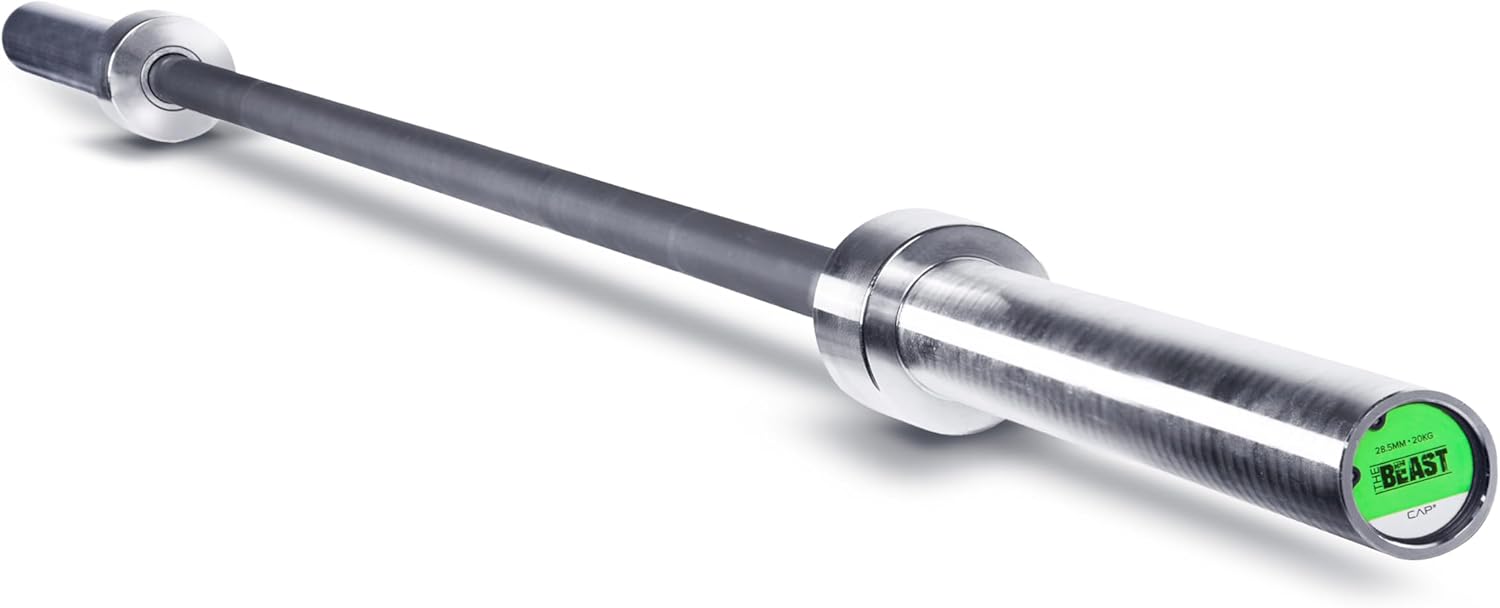
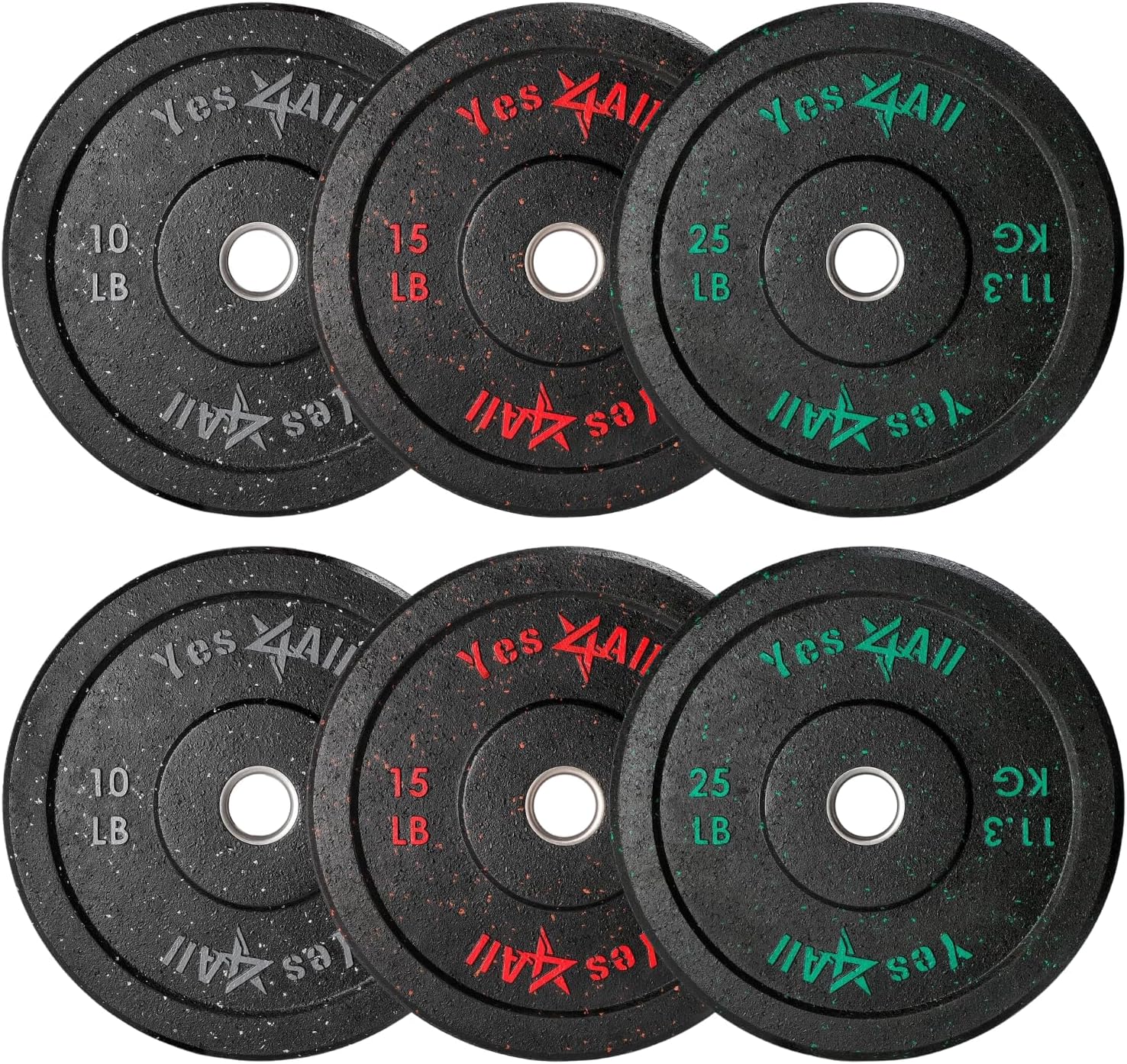
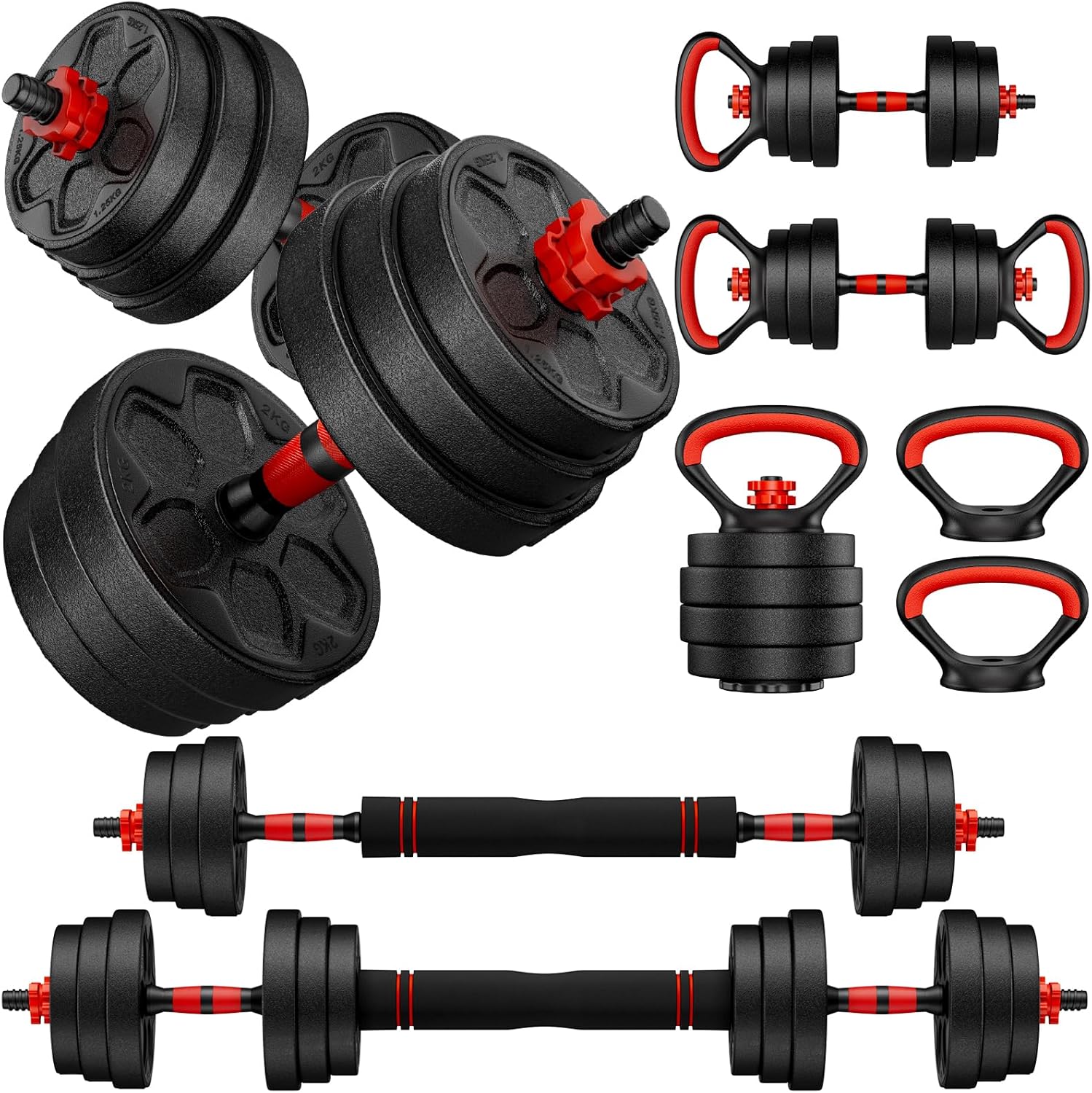
If you outgrow the weight-stack or want heavier loading, free weights are the progression path. A barbell and plates scale to whatever you can lift; adjustable dumbbells cover the unilateral work machines can't replicate.
*Tutorials do not constitute professional medical or fitness advice. Please consult a qualified professional before making decisions about your health or fitness routine.