5 Steps to Gymnastic Rings Progressions
A 5-step guide to gymnastic rings progressions. Rings deliver bodyweight strength gains that pull-up bars can't match — if you progress the right way.
Set anchor height and test support holds
Hang rings at a height where your feet can touch the floor when arms are extended. This lets you partially unload during early progressions. First skill: support hold. Grip the rings with arms straight, lift your feet, hold yourself up with elbows locked. 10 seconds is a solid starting target.
If your shoulders shrug up toward your ears, you're using the traps to compensate for weak lats. Focus on pulling the shoulders down and back. Rings demand stable shoulder positioning from the first second.
Master ring rows as your pulling foundation
Lean back with rings in your hands, body at a 45-degree angle, feet planted. Pull your chest to the rings, elbows tucking back. This is easier than a pull-up and lets you build pulling strength with progressive incline (more horizontal = harder). Work up to 10 reps at a 30-degree body angle.
Most beginners use momentum. Keep the movement controlled — 2 seconds up, 2 seconds down. Slow ring rows build the stabilizer strength that makes pull-ups and muscle-ups possible later.
Progress to ring dips with assistance
Start with feet planted on the floor and rings at hip height. Lower yourself by bending arms and leaning forward slightly, then press up. Once you can do 10 feet-assisted reps, progress to full suspension with feet off the ground. Ring dips are harder than parallel-bar dips because the rings want to separate — controlling that is the training stimulus.
Elbow flare during dips causes shoulder impingement. Keep elbows close to your ribs throughout the movement. If the rings drift too far apart at the bottom, you're losing tension — reset.
Build toward pull-ups with negatives
Pull-up on rings is harder than on a bar because the rings rotate. Build toward it with negative pull-ups: jump to the top position, then lower yourself slowly (5 seconds). Five slow negatives is worth more than twenty sloppy pull-ups. This is how ring pull-up strength gets built.
If negatives feel easy too quickly, you're probably dropping rather than lowering. Recheck the descent timing with a stopwatch. 5 seconds top to bottom is the standard.
Program a 3-day weekly split
Day 1: 3 sets support holds (max time), 5 sets ring rows. Day 2: 3 sets ring dips (partial to full progression), 5 sets hanging work. Day 3: 5 negative pull-ups, 3 sets support holds. Four-week progression cycles — add 1 rep or 5 seconds to each set per week.
Rings are hand-demanding. Callus management matters. Use chalk, hang only when form allows, and stop a session early if your grip fails — grip failure with feet off the ground leads to drops.
Also consider: suspension trainers and pull-up bars
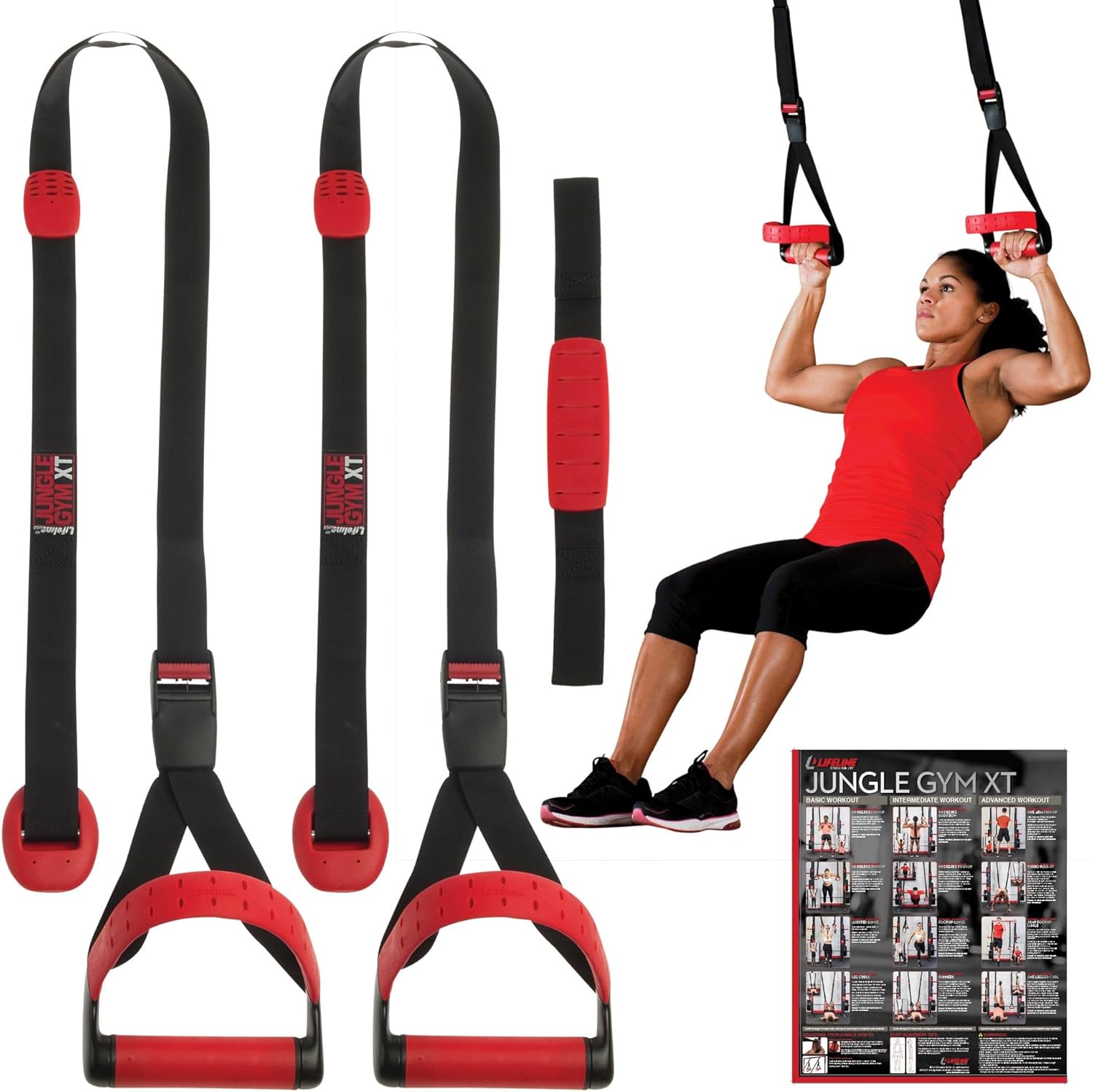
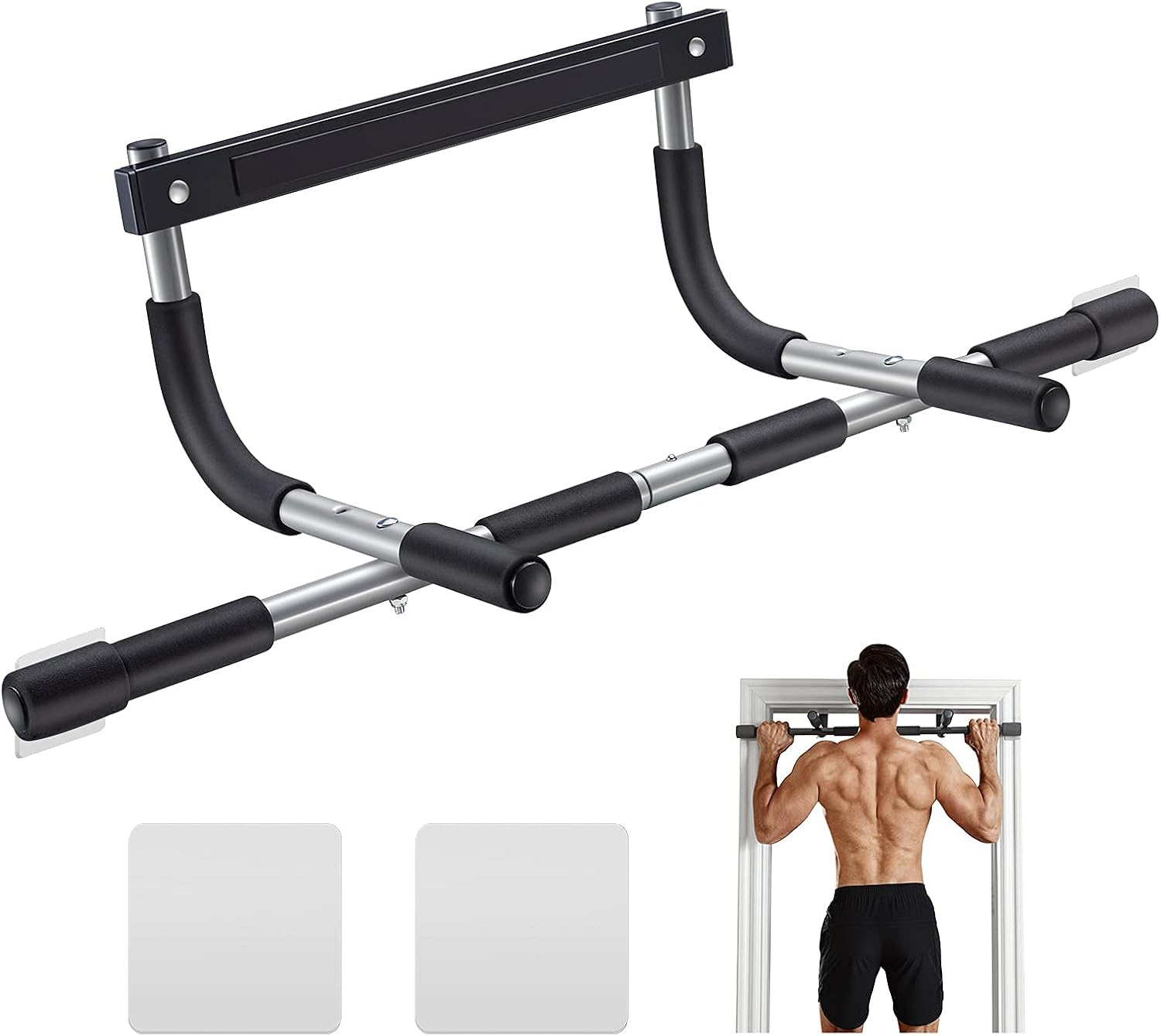
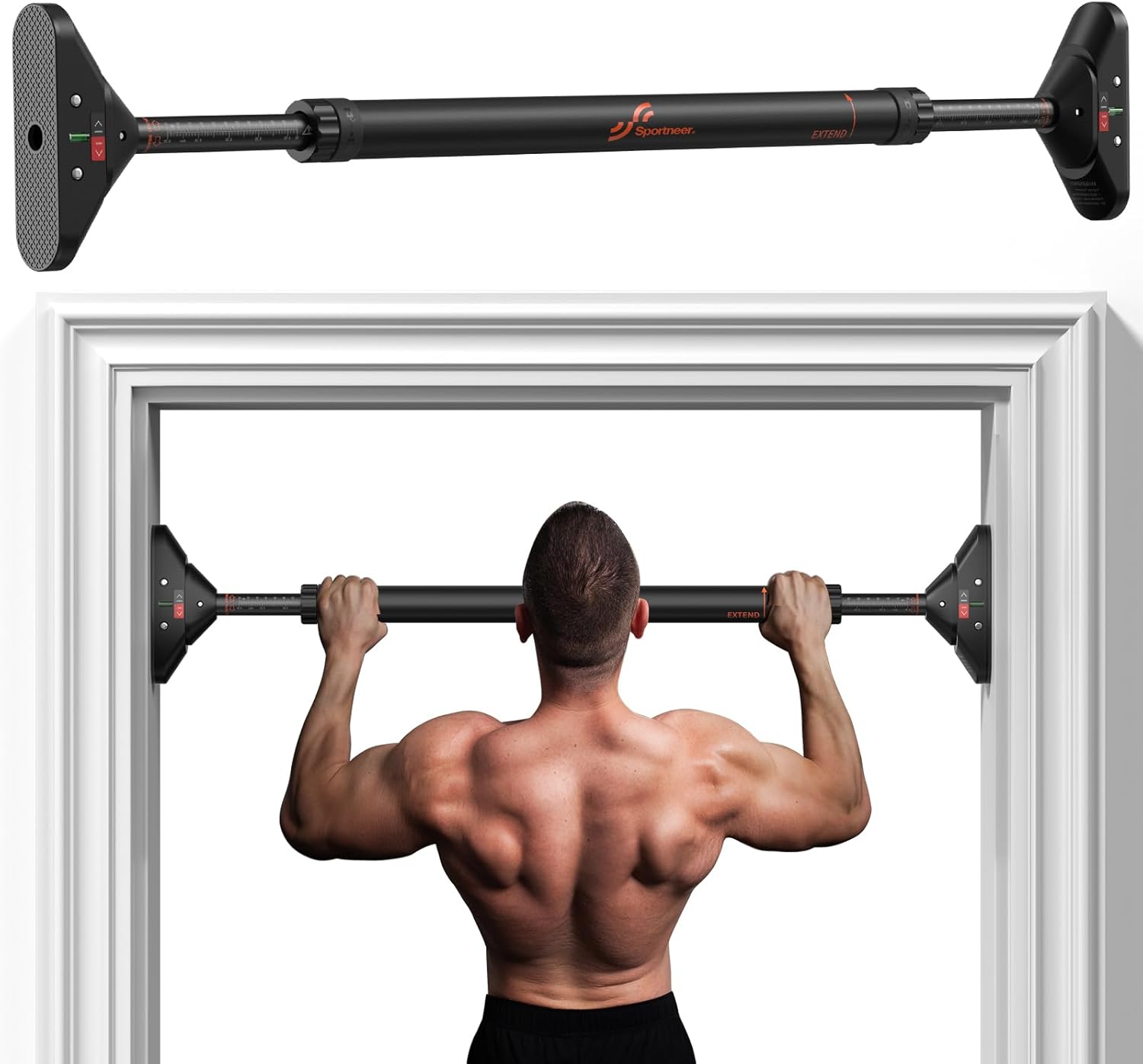
Rings are the gymnastics-skill tool. Suspension trainers cover easier angle-based resistance; pull-up bars handle fixed-grip overhand work. Many bodyweight athletes own all three.
*Tutorials do not constitute professional medical or fitness advice. Please consult a qualified professional before making decisions about your health or fitness routine.