5 Steps to Electrolyte Timing for Training
A 5-step guide to electrolyte timing — pre-workout, intra-workout, post-workout, and hot-weather protocols. Getting electrolytes right matters more than most people think.
Pre-workout: 300-500mg sodium 30 min before
Pre-loading electrolytes 30 minutes before training primes your fluid balance for the session. 300-500mg sodium (one Nuun tab or half a serving of LMNT) in 12-16 oz water is the standard. Skip this if you train first thing in the morning and you're already hydrated.
Skipping pre-workout electrolytes on hot days leads to cramping mid-session. If you train in heat, pre-loading is non-negotiable.
Intra-workout: sip during sessions >60 min
Training sessions under 60 minutes rarely need intra-workout electrolytes. Sessions over 60 minutes, or intense sessions in heat, benefit from 200-300mg sodium per hour. For endurance athletes: one Nuun tab per hour dissolved in your bottle.
Water without electrolytes during long sessions can cause hyponatremia (low sodium) — a dangerous over-hydration state. If you're sweating hard for 2+ hours, water alone isn't safe.
Post-workout: 500-1000mg sodium after hard sessions
After sessions with significant sweat loss (dark-spotted shirt, obvious salt streaks), replace sodium aggressively. 500-1000mg within 30 minutes post-workout — LMNT packet territory. This restores fluid balance and sets up next-day recovery.
Electrolyte supplementation without adequate fluid is counterproductive. 500mg sodium in 16+ oz of water, not 500mg sodium in 2 oz. The sodium:fluid ratio matters for absorption.
Hot-weather: add mid-day electrolytes on non-training days
If you live in a hot climate or work outdoors, your baseline electrolyte needs increase even on non-training days. An extra Nuun tab mid-afternoon prevents the 'crashing' feeling from low sodium. Low-carb dieters also need higher baseline electrolytes.
Headaches that appear mid-afternoon in hot weather are often low-sodium headaches, not dehydration per se. Pure water doesn't fix them; sodium does.
Rest day: baseline hydration only
On true rest days with no training and no heat exposure, baseline hydration (80-100 oz water) without added electrolytes is fine. Over-supplementing electrolytes on rest days wastes money and can cause GI upset. Save the electrolyte packets for days that need them.
Daily electrolyte supplementation without a specific reason (heat, training, low-carb diet) is a symptom of wellness-product FOMO, not need. Match intake to actual losses.
Also consider: hydration carriers
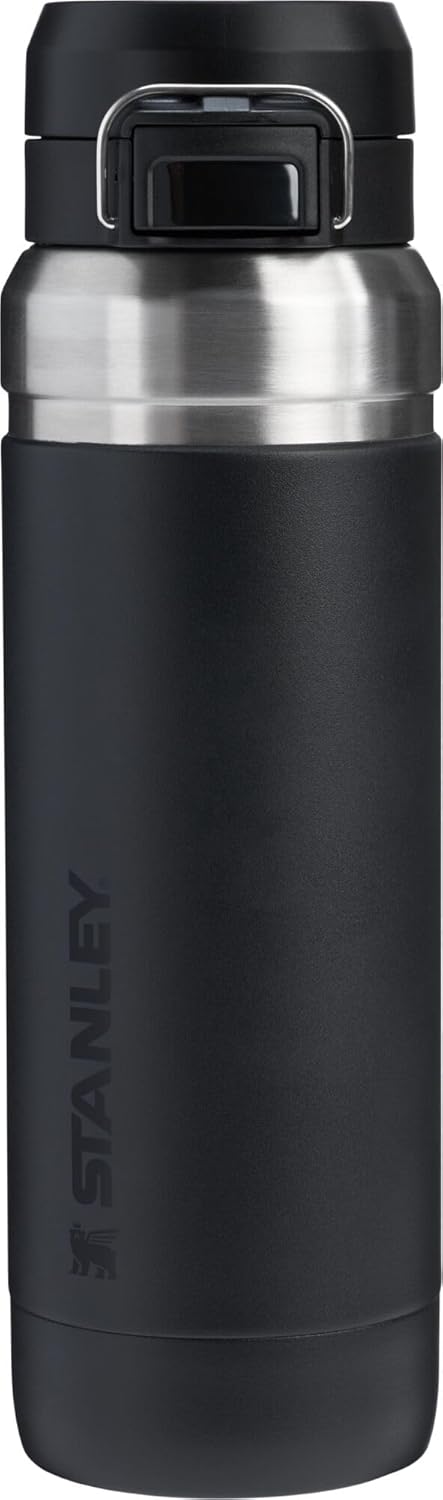
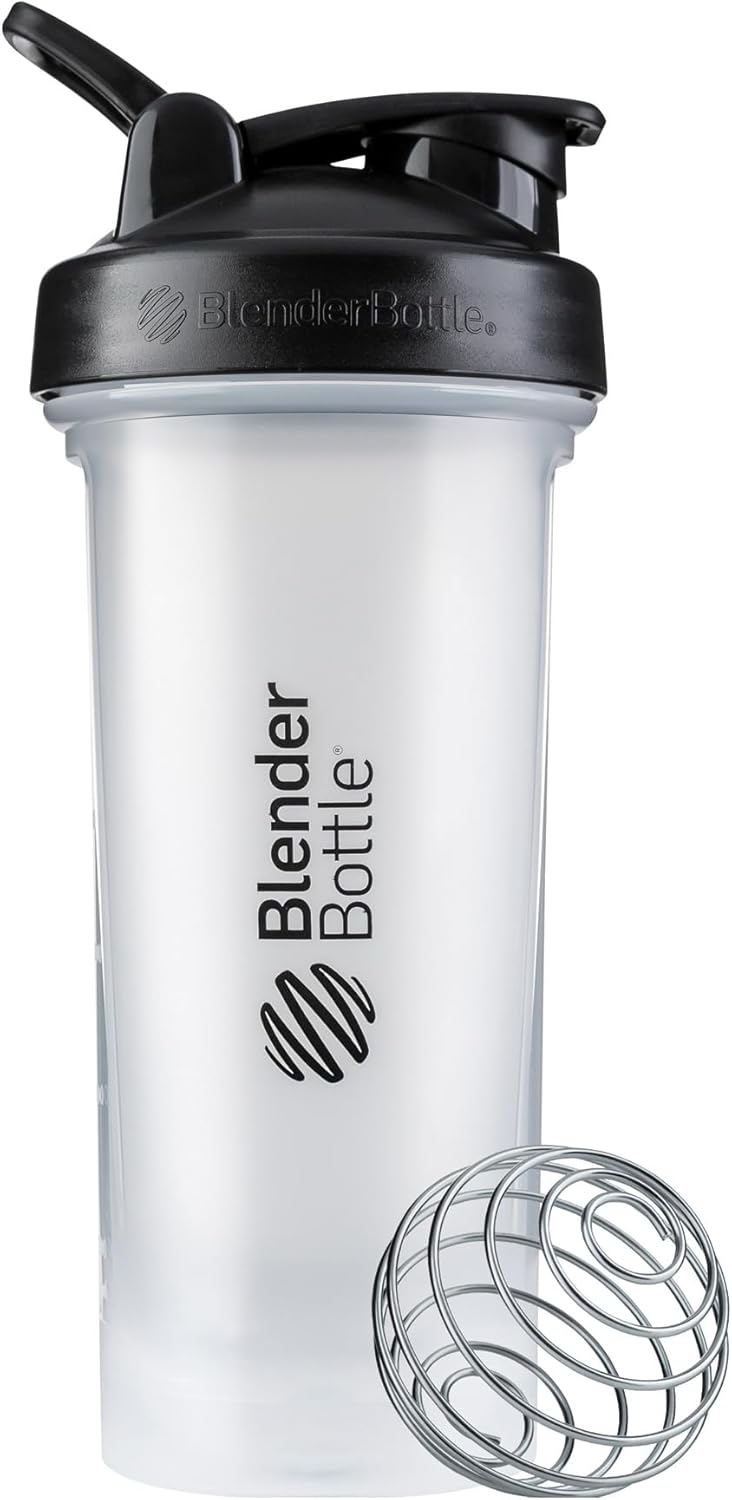
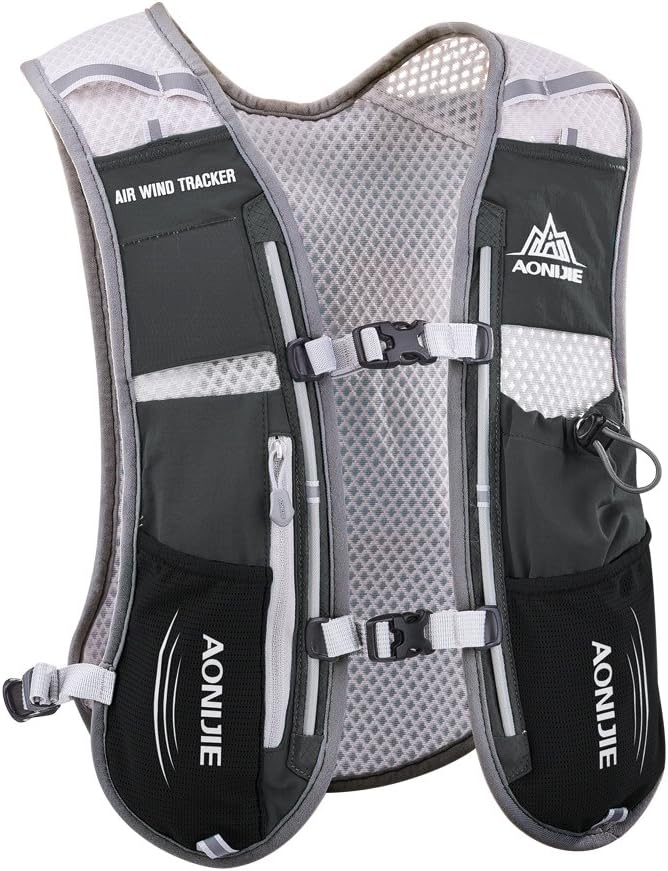
Electrolytes are consumed in water. Insulated bottles keep water cold all day; shaker bottles mix powders cleanly; hydration vests carry fluid during long runs. Pair electrolytes with the right carrier.
*Tutorials do not constitute professional medical or fitness advice. Please consult a qualified professional before making decisions about your health or fitness routine.