5 Steps to Compression Boot Recovery
A 5-step guide to compression boot recovery for endurance athletes and heavy lifters. These devices are underused at home; this is the protocol trainers use in facilities.
Start at the lowest pressure setting
Most boots have 4-6 pressure levels. Start at level 1-2 for the first session to let your body calibrate to the sensation. Sequential compression feels unfamiliar — light pressure rolling up the leg. Full 20-minute session at low pressure, then adjust upward over subsequent sessions based on comfort.
Jumping to maximum pressure in the first session often causes lightheadedness or discomfort. Progressive introduction lets the vascular system adapt.
Time sessions for post-workout recovery
Best use: 30-60 minutes after a hard training session. The 30-minute post-workout window catches the peak of metabolic waste that compression helps clear. Evening sessions work well — compression boots make a good paired activity with watching TV.
Immediately-post-workout use (within 10 minutes) is less effective than waiting 30 minutes. The compression needs fresh metabolic waste to clear, which takes time to accumulate in the leg tissue.
Standard session length is 20-30 minutes
Twenty to thirty minutes covers the full benefit of a session. Longer sessions (45+ minutes) don't add meaningful recovery effect and can cause mild numbness or discomfort. Most boots have a preset 20-min timer; use it.
Falling asleep in the boots happens — it's peaceful — but sessions longer than 45 minutes aren't useful and may leave you with tingling toes. Set a timer.
Use 1-2 times daily max during heavy training
During marathon build-up or after leg-heavy lift weeks, you can use compression boots twice daily (morning and evening). On rest days or light training days, once daily is plenty. The boots enhance recovery — they don't replace it.
More compression isn't better recovery. Three or four sessions per day provides no additional benefit and takes time away from actual recovery activities (sleep, hydration, nutrition).
Know when NOT to use them
Skip compression boots if you have: active DVT (blood clots), untreated leg wounds, severe peripheral artery disease, or a recent major leg surgery. If you're unsure about a leg condition, ask your doctor before starting compression therapy. For typical training recovery, the boots are very low-risk.
If you experience sharp pain (not normal pressure sensation) during a session, stop immediately. This is rare but indicates the compression isn't compatible with your current vascular state.
Also consider: other recovery modalities
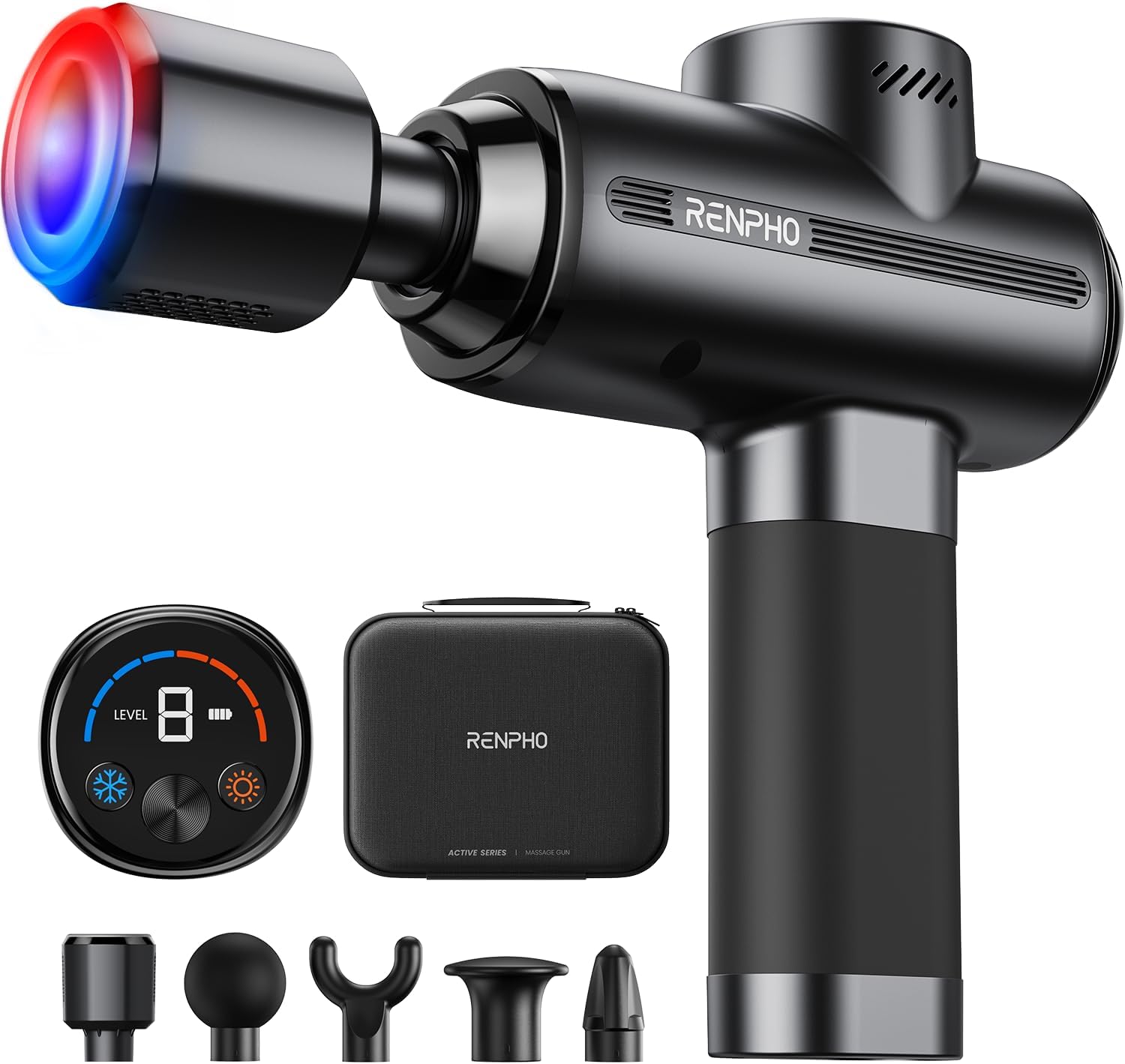
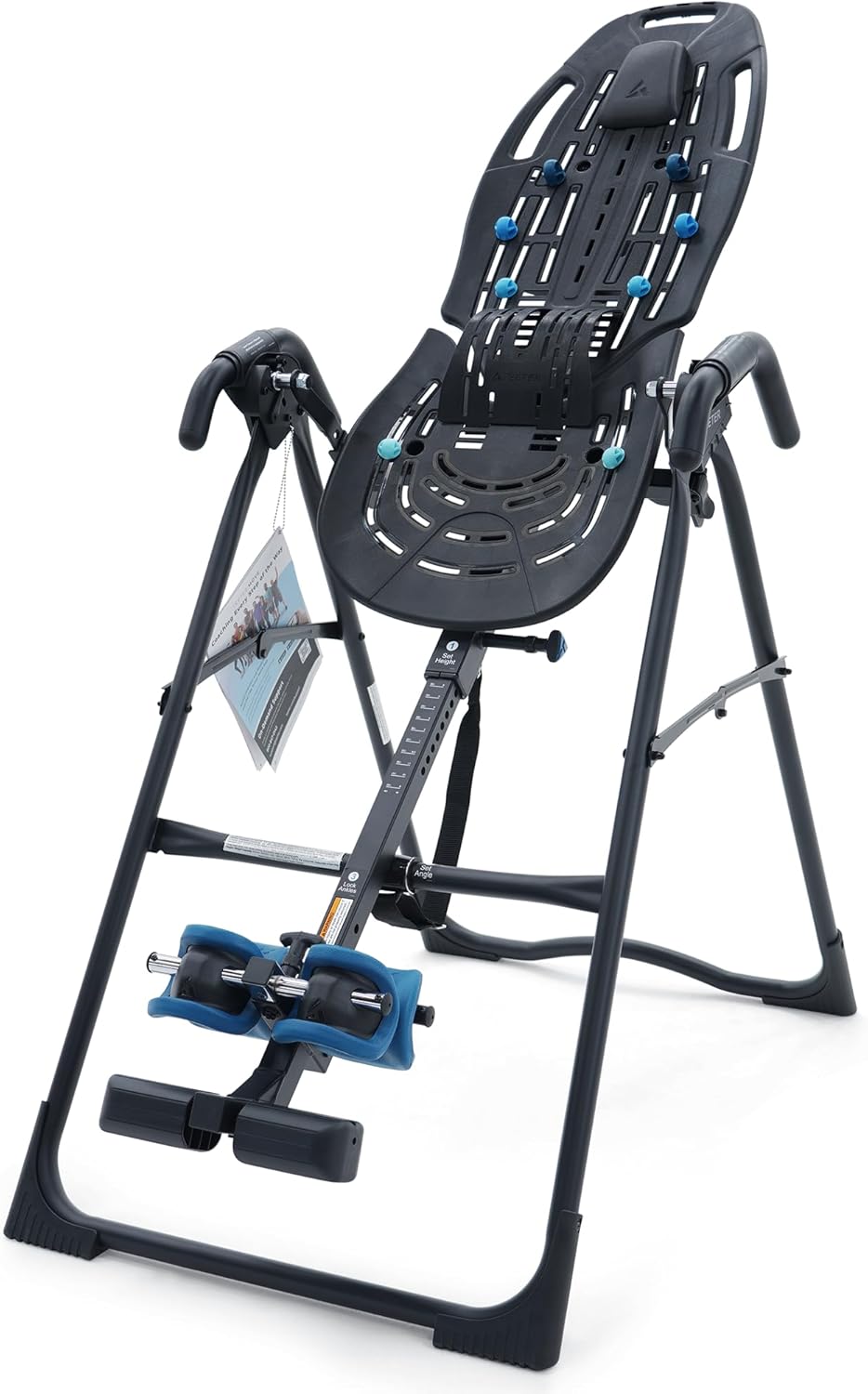
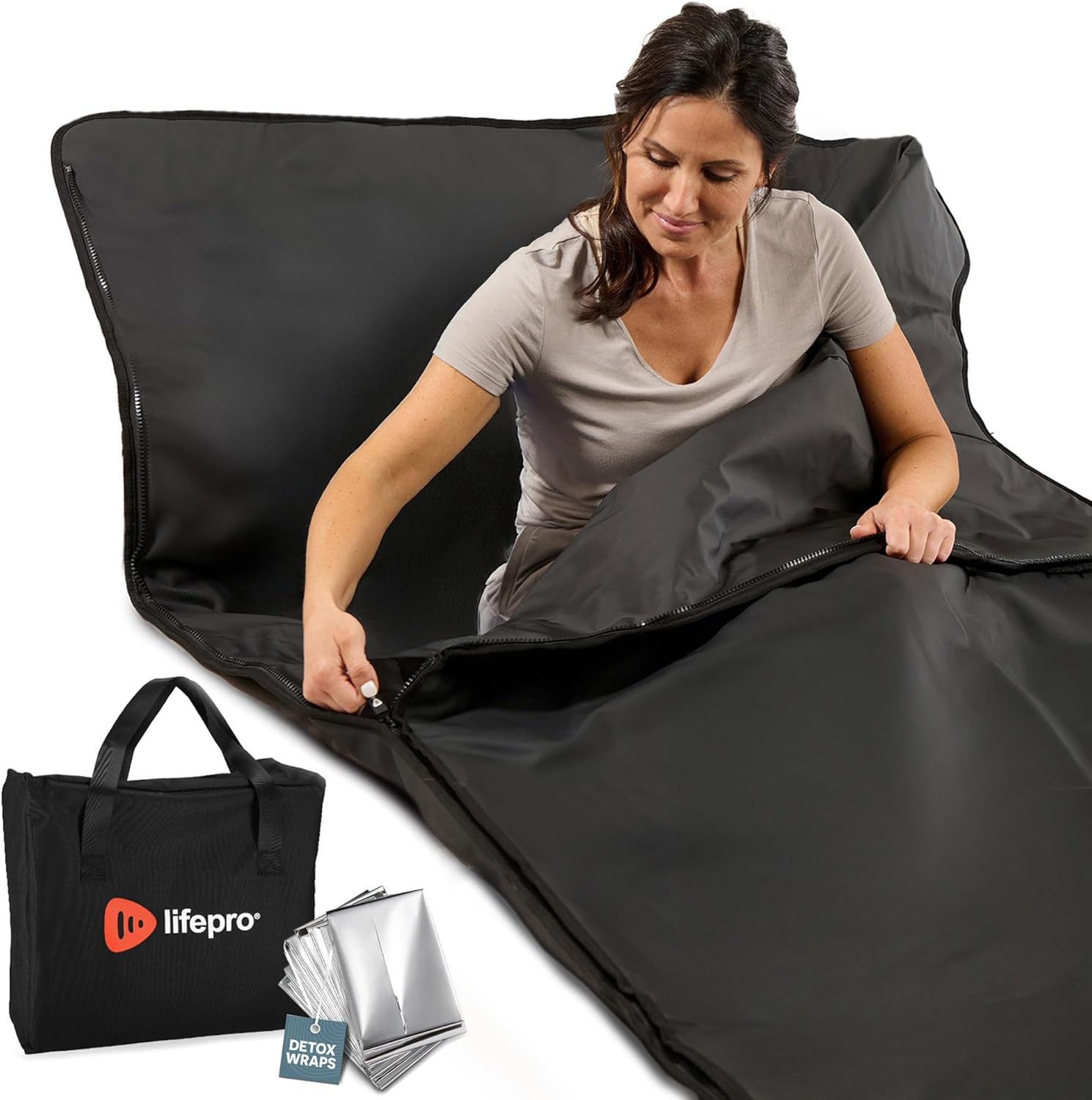
Compression boots address leg-specific recovery. Massage guns deliver percussion; inversion tables decompress the spine; sauna blankets add heat stress. A full recovery stack layers multiple modalities.
*Tutorials do not constitute professional medical or fitness advice. Please consult a qualified professional before making decisions about your health or fitness routine.