5 Steps to Battle Rope Workouts
A 5-step guide to battle rope workouts — anchor setup, wave technique, and 4 conditioning protocols. Battle ropes deliver upper-body cardio that nothing else can match.
Anchor the rope correctly
Battle ropes need a sturdy anchor — a power-rack upright, a sled hook, or a dedicated wall anchor. The rope loops through the anchor so both ends hang evenly. At a 30-40 foot rope, the user stands ~15-20 feet from the anchor. Test by pulling hard — if the anchor shifts, find a new one.
Rope-tethered to a doorknob or light-duty hook is how battle-rope sessions end early. The anchor takes real force during waves. Overbuild the anchor; don't undersell it.
Master the alternating wave
Feet shoulder-width, knees soft, one end of rope in each hand. Drive each arm up and down alternately, creating waves that travel down the rope. Power comes from hips driving into the rope, not shoulders straining. Think 'pumping water out of a well.'
If your shoulders fatigue before your legs and core, you're pulling with arms instead of driving with hips. Sit back into a mini-squat and drive up with each wave rep.
Add the double wave for power
Both arms moving up and down together creates a bigger, more powerful wave. This taps posterior chain (lats, glutes, hamstrings) more than the alternating wave. Useful for developing raw power but exhausting — reserve for 10-20 second bursts, not sustained rounds.
Double waves cause the most lower-back strain in battle rope training. Keep the abs braced throughout, hips slightly back. Never let the lower back round into extension during reps.
Try slam-style waves for explosive power
Raise both arms overhead, then slam them down simultaneously to create a whip-crack wave that travels the rope. Like a slam-ball overhead slam but with ropes. Four to six reps per set — max effort on each rep.
Slams require strong wrist stability. If your wrists ache the day after, reduce rep count. The wrist is often the limiting factor in rope-slam training.
Program 4 work/rest protocols
Protocol 1 (beginner): 20 sec waves + 40 sec rest × 8 rounds. Protocol 2 (intermediate): 30 sec + 30 sec × 10 rounds. Protocol 3 (advanced): 45 sec + 15 sec × 10 rounds. Protocol 4 (finisher): EMOM 20 sec waves × 10 min. Rotate protocols across the week.
Battle ropes are deceptively demanding on grip and forearms. Two sessions per week is the ceiling for most trainees. More than that and the grip limit becomes the workout bottleneck.
Also consider: jump ropes and slam balls for conditioning
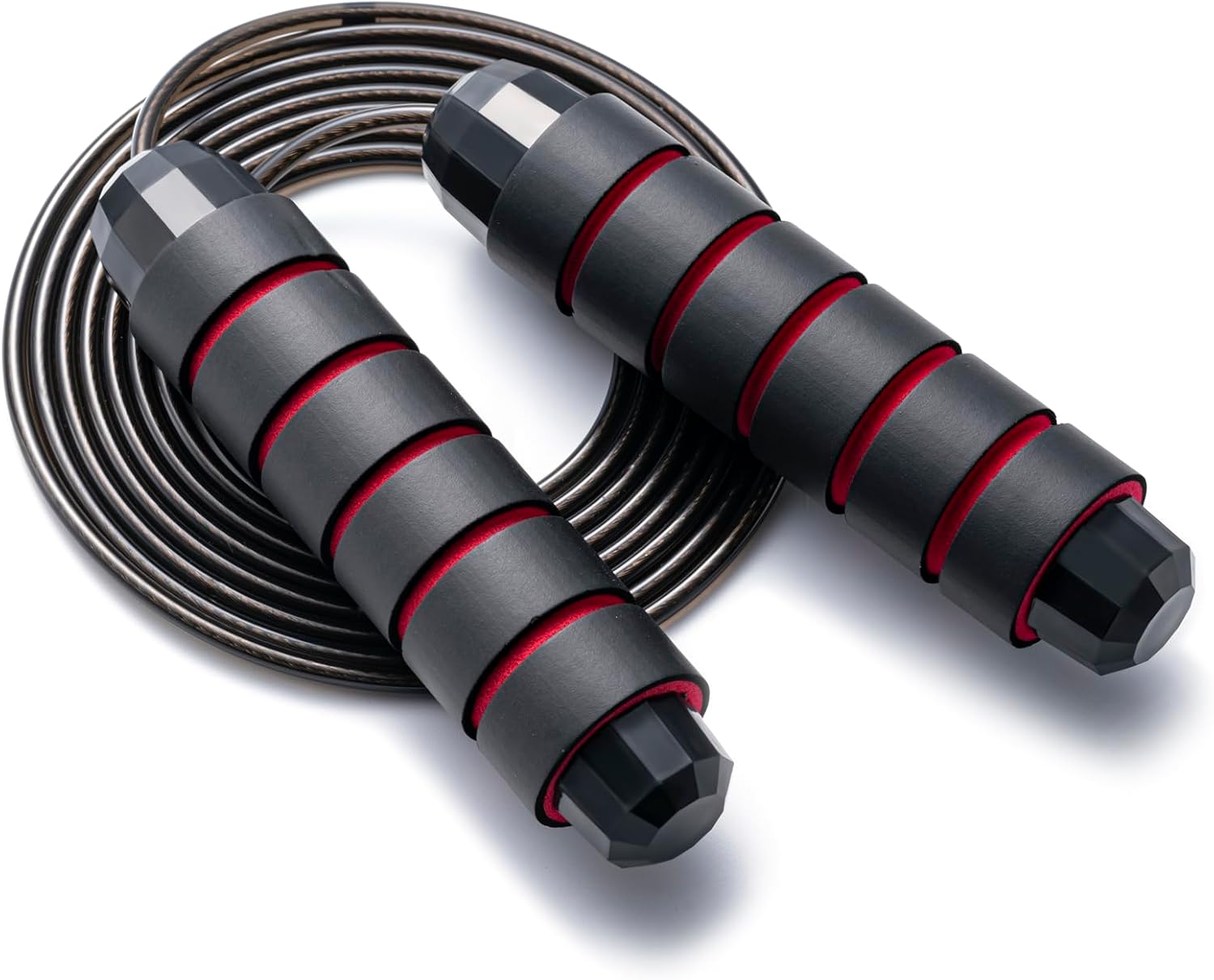
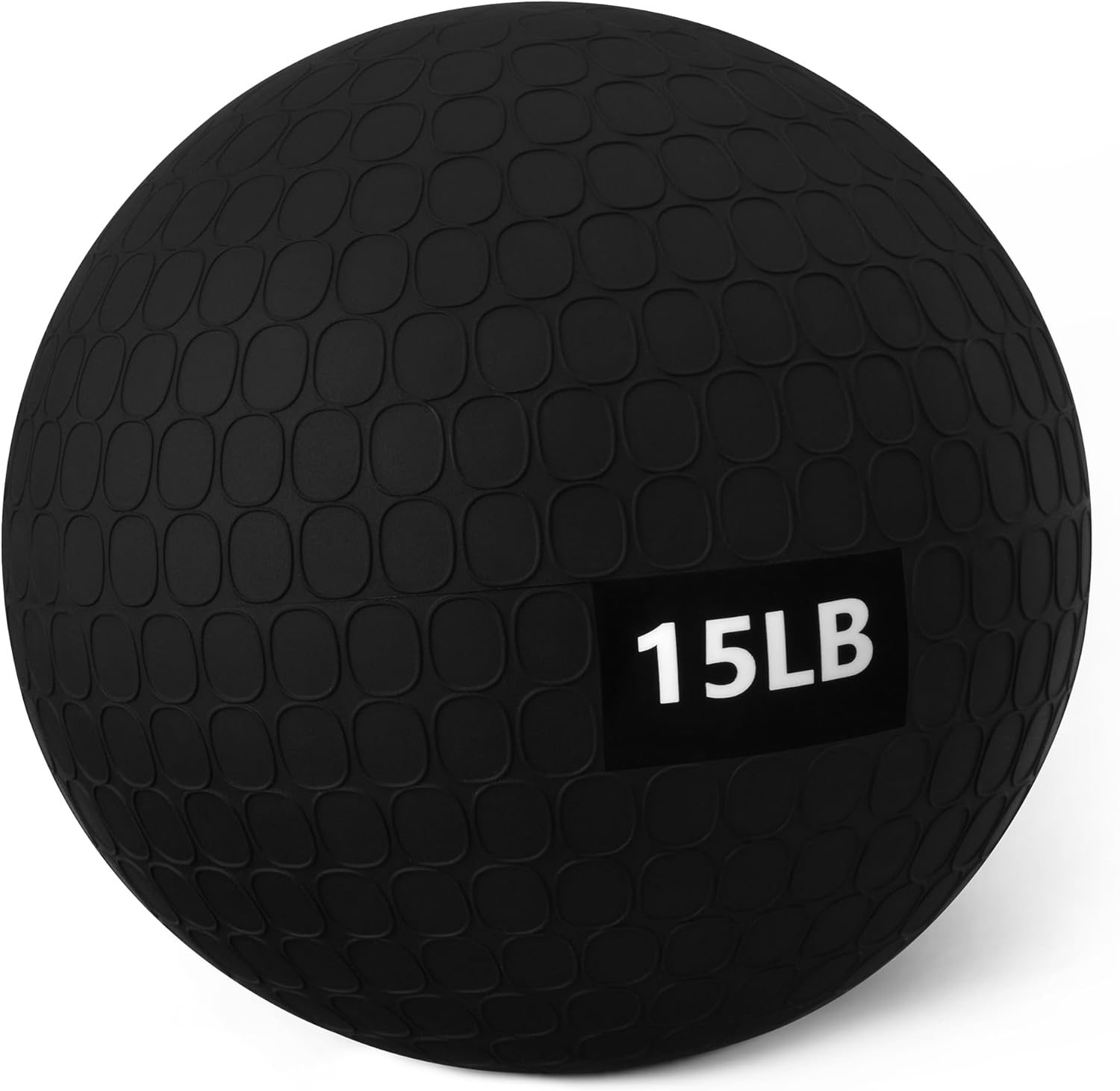
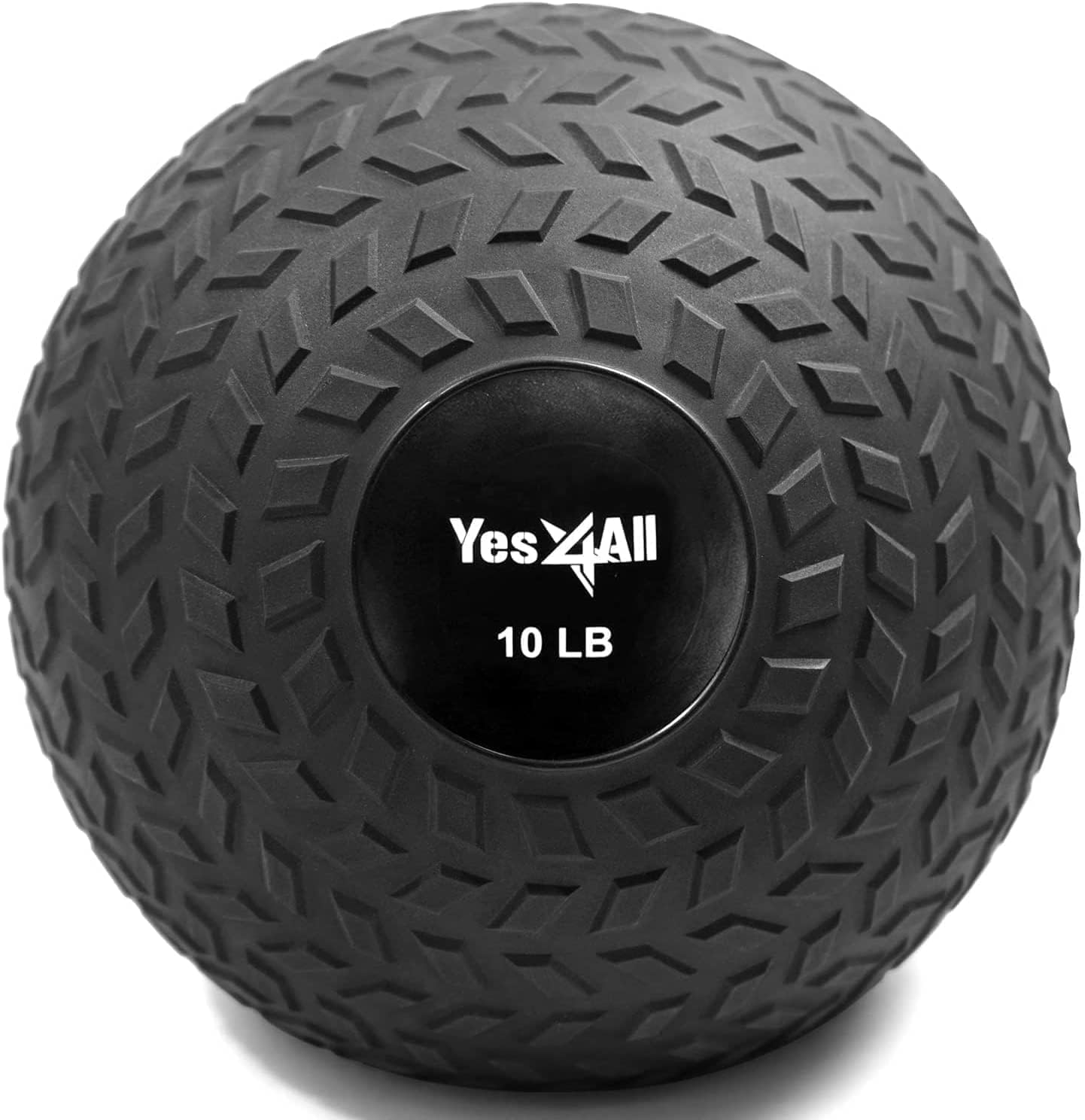
Battle ropes deliver upper-body-dominant conditioning. Jump ropes train lower-body-dominant cardio; slam balls train full-body explosive power. Rotate across the week for a full conditioning program.
*Tutorials do not constitute professional medical or fitness advice. Please consult a qualified professional before making decisions about your health or fitness routine.