5 Steps to Transition to Barefoot Shoes
A 5-step guide to transitioning from conventional shoes to barefoot-style shoes. Gradual is the only way that works; aggressive transitions cause calf and foot injuries.
Start with 5-15 minutes per day
Don't wear barefoot shoes for a full day during the first week. Start with 5-15 minutes, walking only, on flat surfaces. Your feet need to adapt to the zero-drop, unpadded feel gradually. Doing too much too soon causes plantar fasciitis and calf strains.
If your feet or calves ache the day after a barefoot-shoe session, you overdid it. Reduce duration by half for the next session and build up more slowly.
Walk before running
Four to six weeks of walking in barefoot shoes before any running. The calves and Achilles tendon need time to adapt to the higher load of zero-drop movement. Runners who skip the walking phase get Achilles tendinitis within 3 weeks of running.
If you're impatient, the injury finds you. Achilles tendinitis from a botched barefoot transition takes 6-12 weeks to heal — much longer than the 6 weeks of walking would have taken.
Add calf mobility work daily
Barefoot shoes load the calves differently than padded shoes. Add daily calf work: calf raises (3 sets of 15), heel drops off a step (3 sets of 10), wall calf stretches (30 sec each side). This prevents the calf tightness that derails most transitions.
Skipping mobility work and assuming you'll 'figure it out' is how transitions fail. The calf work isn't optional — it's the foundation of the transition.
Choose terrain by your progress
Week 1-2: indoor flat surfaces only. Week 3-4: outdoor sidewalks and paved paths. Week 5-6: grass and packed dirt trails. Week 7+: rocky trails if comfortable. Terrain difficulty tracks foot adaptation — don't skip stages.
Jumping to rocky trails in barefoot shoes before your feet are ready causes bruising, skin breakdown, and the kind of tendon issues that take months to heal. Progress terrain gradually.
Know when barefoot shoes aren't right for you
Some people never adapt to barefoot shoes. If after 3 months you still have persistent foot pain, tendinitis, or form breakdown, accept that conventional shoes are the right answer for your body. Barefoot isn't universally better — it's an option that works for some feet, not all.
Pushing through consistent pain to 'make barefoot work' is how foot injuries become chronic. If your body is telling you no, listen. There's no fitness failure in wearing conventional shoes.
Also consider: supportive recovery footwear
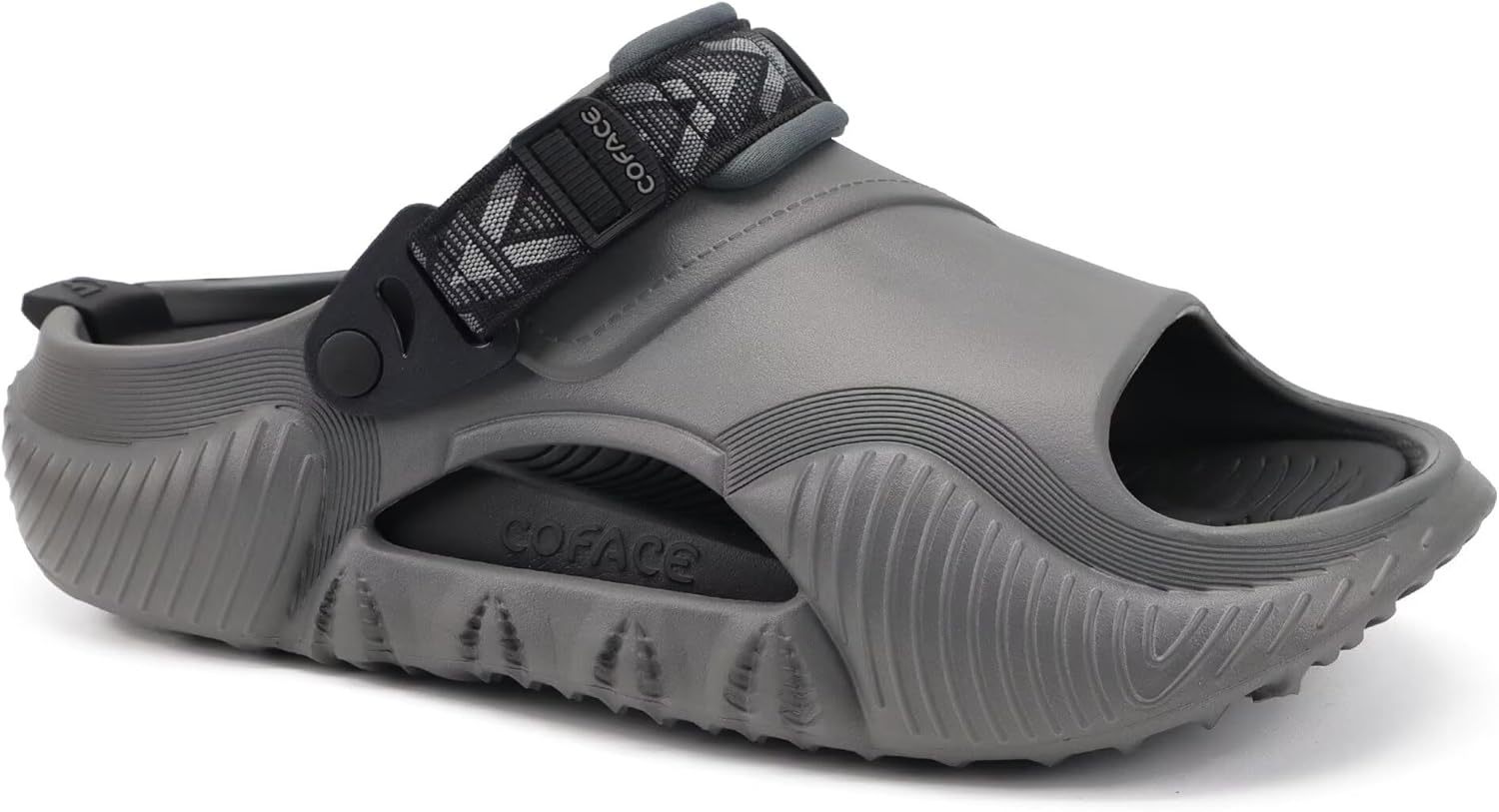
Barefoot shoes train feet. Recovery sandals support fatigued feet between sessions. Different footwear categories serve different moments — training and recovery.
*Tutorials do not constitute professional medical or fitness advice. Please consult a qualified professional before making decisions about your health or fitness routine.