5 Steps to Adjustable Kettlebell Training
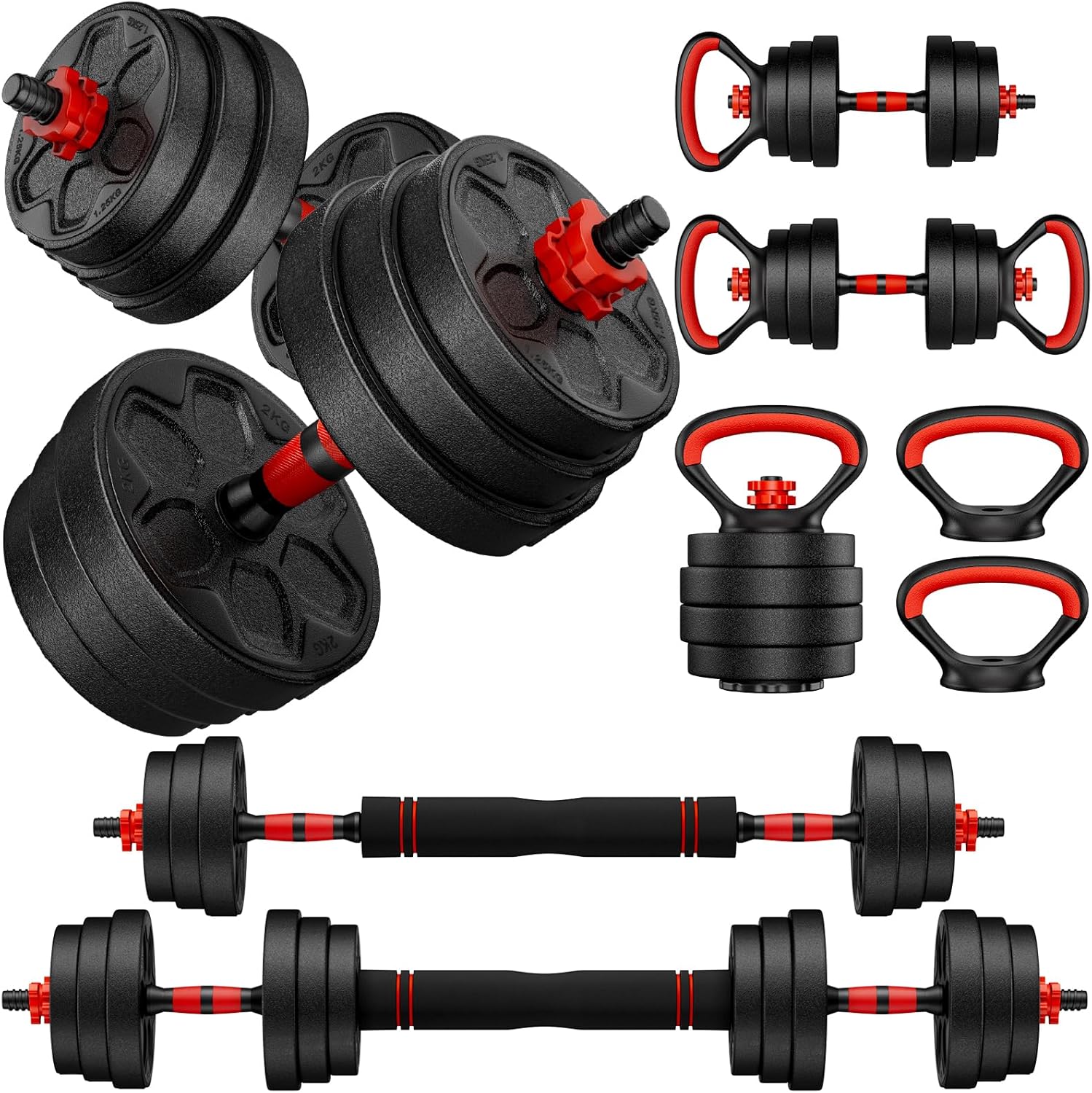
A 5-step guide to adjustable kettlebell training. One bell covers a 20-70 lb range, but only if you use the weight transitions correctly.
Set the bell for the day's primary lift
Adjustable kettlebells aren't meant for constant weight changes mid-session. Pick your primary lift (swings, goblet squats, clean-and-press) and set the bell at a weight you can do for 5-8 quality reps. Everything else in the session uses that weight or one step lighter.
If you change the weight every exercise, you're treating the adjustable bell like a dumbbell rack. You'll waste 10 minutes of each session on weight changes. The goal is one primary weight, maybe one step lighter, per session.
Use the lighter setting for accessory lifts
After your primary movement, step down one setting (typically 5 kg lighter) for accessory work — single-arm swings, Turkish get-ups, halo presses. The lighter weight allows more volume without compromising form. This is where the adjustability pays off — most sessions use two weights max.
Trying to do 10 Turkish get-ups at your max swing weight is how form breaks down. Get-ups specifically need a weight you can control with a straight arm overhead for 30-60 seconds per rep.
Check the lock mechanism every set
Adjustable kettlebells use a mechanical lock to hold plates in place. Before EVERY set, do a quick drop test — lift the bell 6 inches, pause, and gently shake. If anything rattles or sounds loose, re-lock it. A kettlebell plate coming loose during a swing is an injury risk.
Never skip the lock check to save time. Every review of adjustable kettlebells includes someone who dropped a plate mid-swing. The 10 seconds to verify is worth it.
Build a 25-minute circuit workout
Sample workout: 5 rounds of — 10 swings (primary weight), 5 goblet squats (primary), 5 cleans per side (lighter), 5 presses per side (lighter), rest 60 seconds. Five rounds = ~25 minutes of quality work. This is the bread-and-butter kettlebell session that a dumbbell can't replicate.
Skipping rest to 'get a better workout' is the classic beginner mistake. Kettlebells are anaerobic enough that inadequate rest tanks subsequent rep quality. Rest makes the work better.
Maintenance matters more than with fixed bells
Adjustable kettlebells have more moving parts. Wipe down the handle and lock mechanism after every session. Every 2-3 months, check all plate faces for wear and verify the lock still engages cleanly. If rust appears, address it before it spreads.
A rusty lock mechanism is the beginning of the end. Catch it early and treat with a rust converter; let it progress and you're shopping for a new bell in 6 months.
Also consider: fixed kettlebells and dumbbells
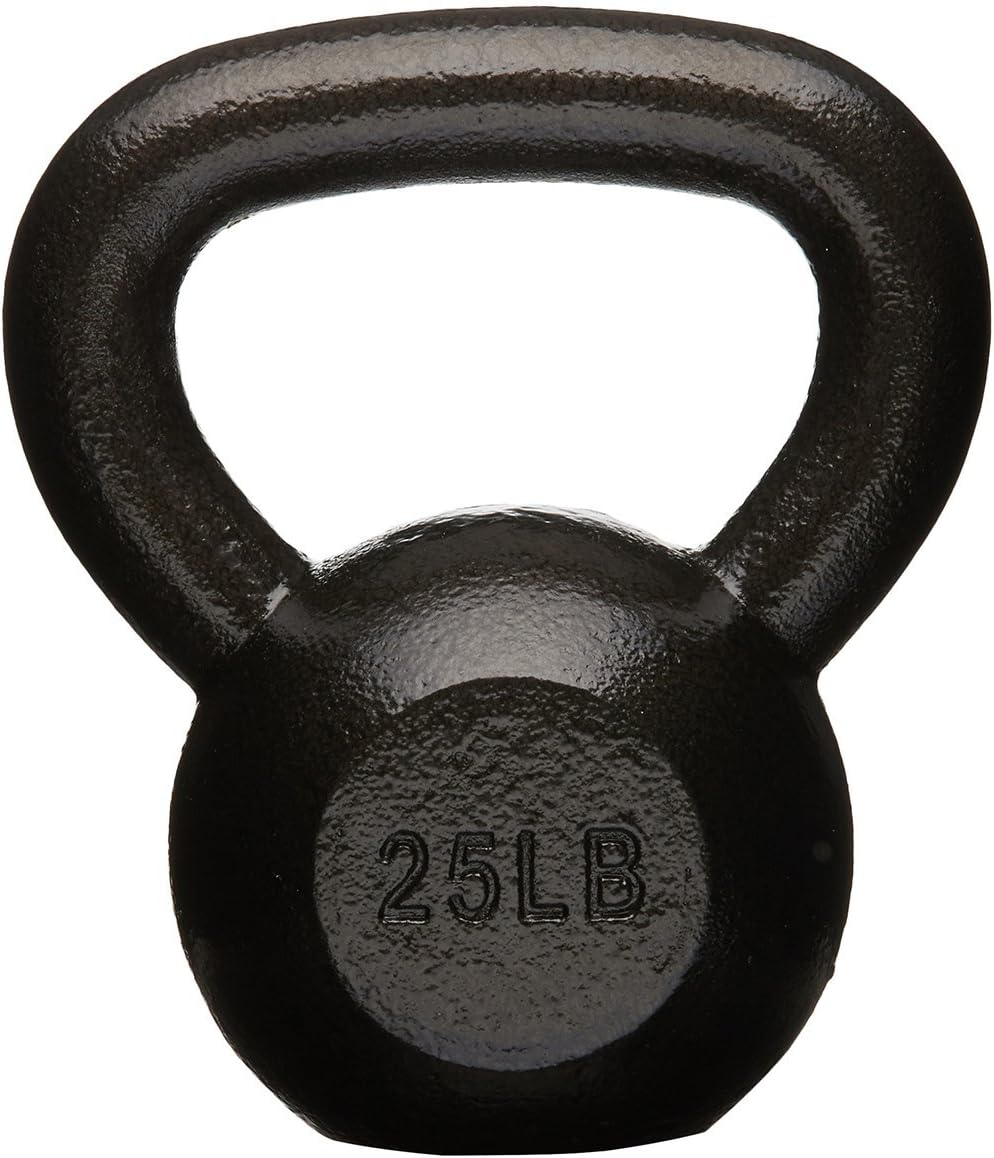
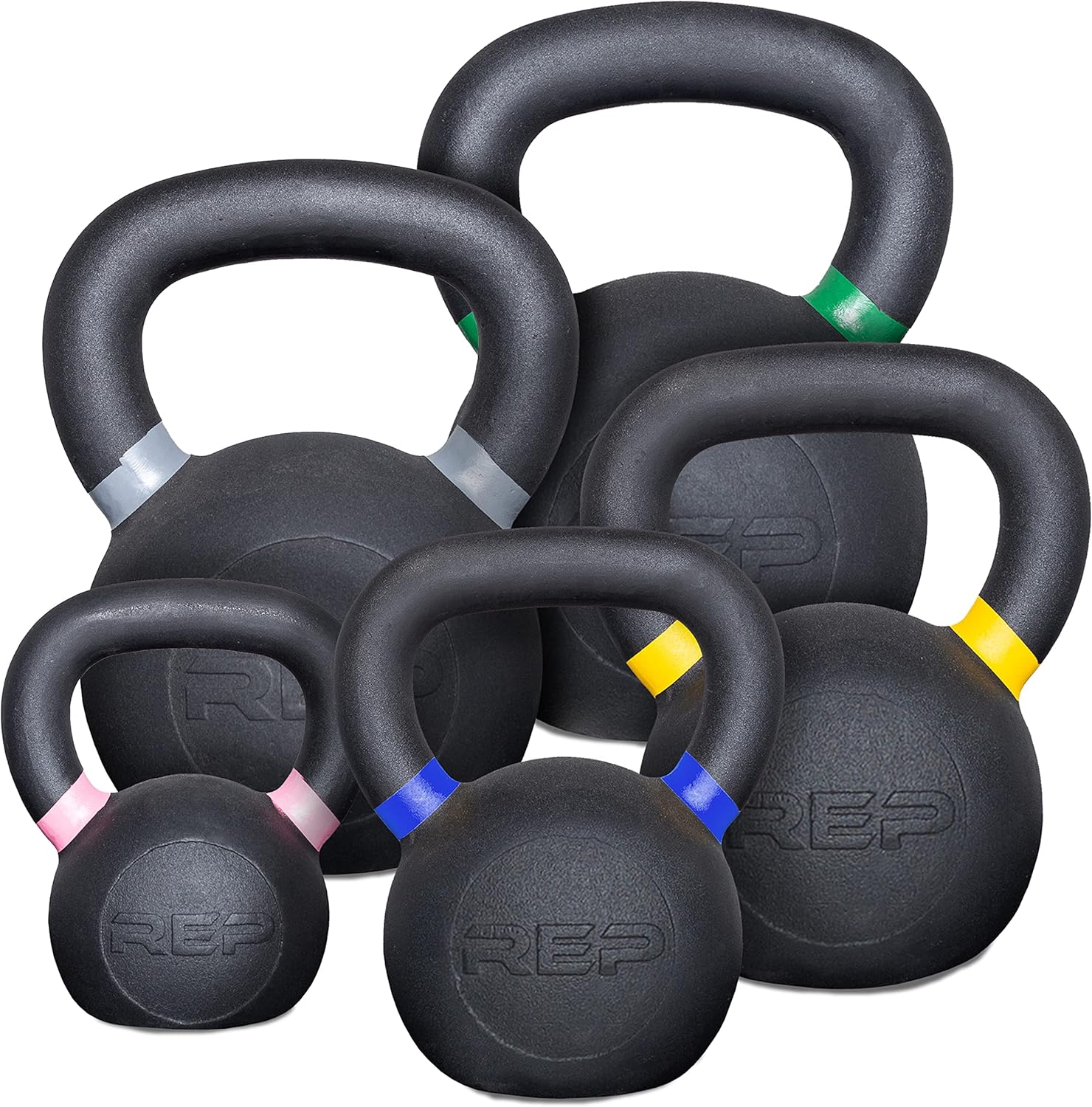
Adjustable kettlebells scale; fixed kettlebells have the purist grip feel; dumbbells cover the full unilateral strength library. Most serious home gyms mix all three over time.
*Tutorials do not constitute professional medical or fitness advice. Please consult a qualified professional before making decisions about your health or fitness routine.