Yes4All 3-in-1 Wooden Plyo Box vs. Fitvids 3-in-1 Foam Plyo Box
Real product data from both. Which one earns its place in your gym?
Yes4All wooden for the serious jumper who accepts shin-bite as a training tax. Fitvids foam when you miss a rep and don't want bruises.
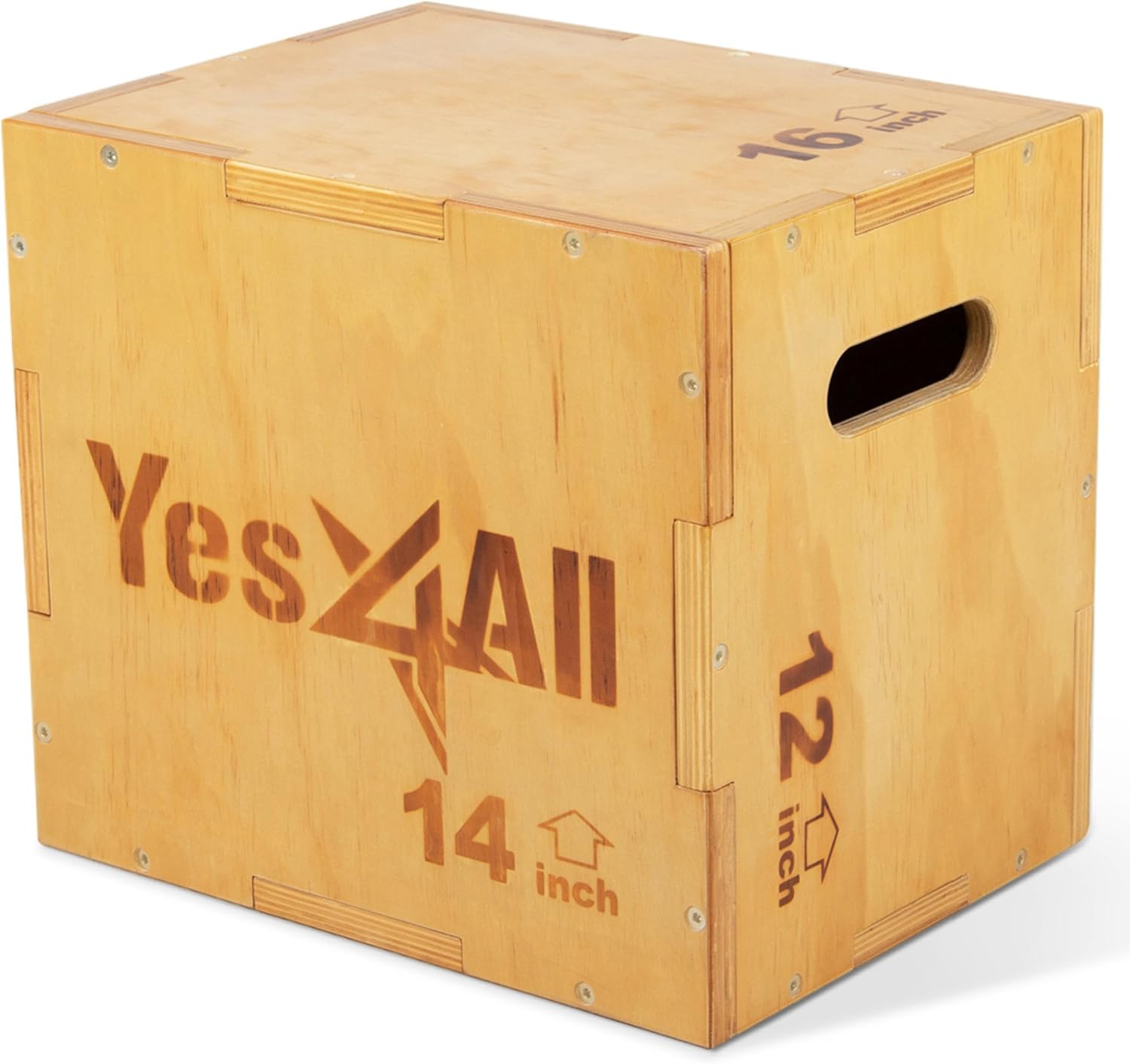
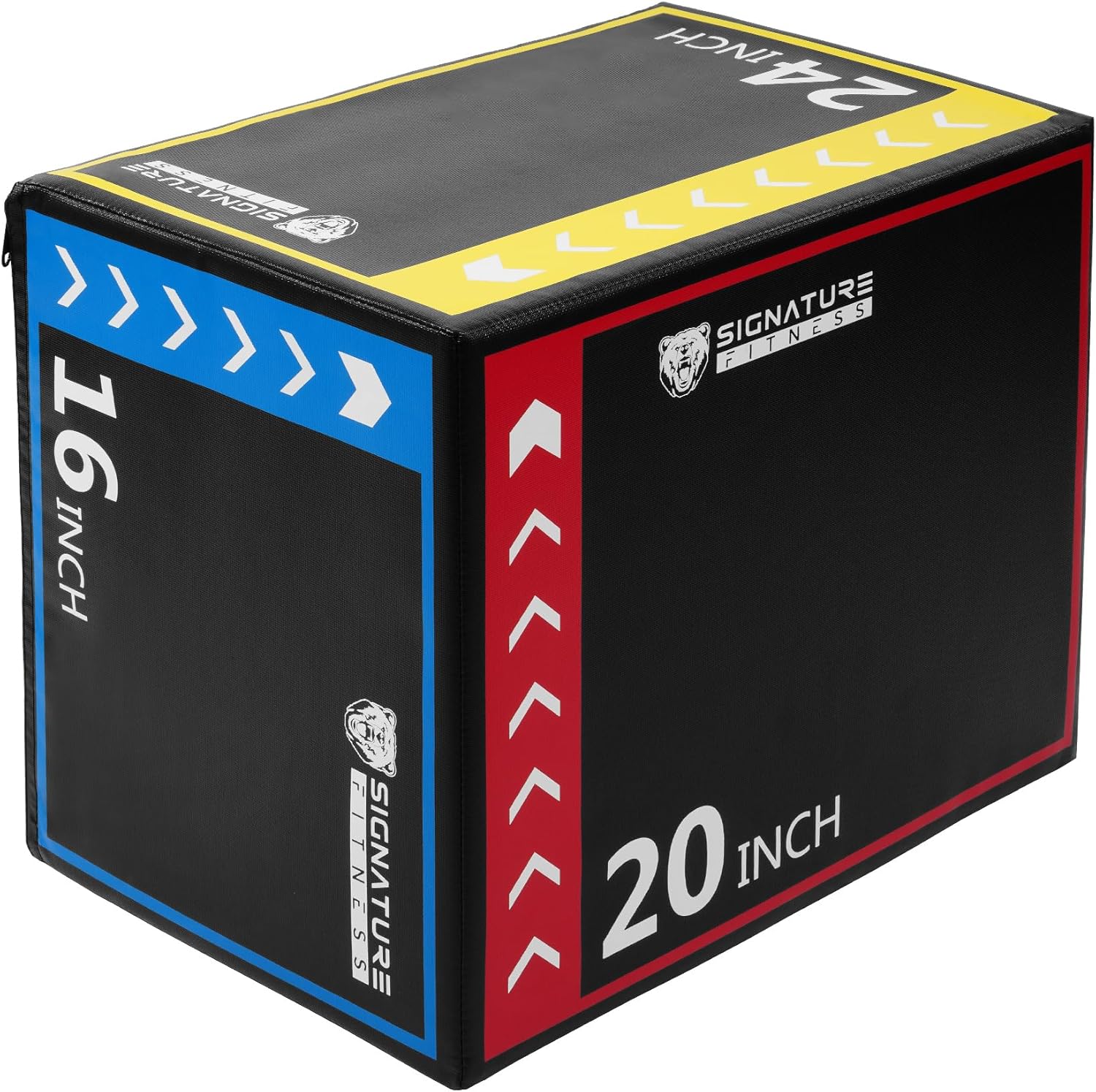
These two plyo boxes solve the same problem but aim at different training realities. Wooden plyo boxes — like Yes4All's 3-in-1 — are the commercial-box standard: stable, durable for decades, and punishing when you clip a box jump. Foam boxes — like Fitvids' stacked-density design — are softer on the shins when you inevitably clip a high box jump, which happens more often than lifters want to admit, especially under fatigue. Both are 3-in-1 (three heights by rotating orientation). The question is whether you want the slightly more commercial feel of wood or the realistic-failure forgiveness of foam.
Pick Yes4All 3-in-1 Wooden Plyo Box when you jump confidently, you value a stable base that doesn't flex under landing, and you treat missed jumps as coaching feedback not medical emergencies.
Pick Fitvids 3-in-1 Foam Plyo Box when you do high-volume plyo work where even a 5% miss rate means a lot of shin impacts. Foam absorbs the error without bruising and makes box-jump progression less intimidating for newer jumpers.
Which one fits you?
- ✓You're an experienced box jumper and rarely miss reps at your working height.
- ✓You want a box that'll outlast every other piece of equipment in the gym.
- ✓You prefer the feel of wood underfoot and the audible snap of a good jump landing.
- ✓You're building a commercial-gym aesthetic at home.
- ✓You're newer to box jumps and want to train progression without the risk of shin injury.
- ✓You program high-volume plyo work where miss-rate math favors softer landings.
- ✓You train in a shared space where inexperienced jumpers also use the box.
- ✓You want step-up progressions where the softer landing makes long sets less destructive.
Head-to-head specs
| Spec | Yes4All 3-in-1 Wooden Plyo Box | Fitvids 3-in-1 Foam Plyo Box |
|---|---|---|
| Price | $52.31 | $89.04 |
| Brand | Yes4All | Fitvids |
| Amazon rating | 4.6 out of 5 stars | 4.6 out of 5 stars |
| Reviews | 6,395 | 647 |
| Material | Wood | Foam |
| Weight | 15.6 Pounds | 10 Pounds |
Feature highlights, side by side
-
Easy-To-Follow InstructionsThis plyometric jump box gym comes with clear instructions and online video tutorials for simple assembly; Wood box jump is designed with pre-drilled holes and puzzle joints, making it easy to assemble
-
High-Quality ConstructionDurable wooden plyo box step up supports up to 450 lbs and handles intense jump box exercise; Ideal as an exercise box jump for home workout or gym use, it’s primarily designed for indoor training
-
3 in 1 Plyo Box3 in 1 non-slip plyometric box offers three height options; 16, 14, 12 plyo box makes it easy to adjust your workout intensity; Versatile design allows you to tailor wooden box workout to your specific fitness level and goals
-
User-Friendly Design for TrainingPlyometric boxes feature smooth, sanded edges to prevent scratches during use; Wide built-in handles make it easy to move and adjust plyo box 12 14 16 to your preferred height
-
Security TrainingBuild with high density foam, soft but resilient, reduce impact on your joints and risks of shin injuries. Its durable build ensures it can withstand intense plyometric moves
-
Anti-Slip Pvc CoverNon slip surface texture provides you have stability with every set of jumps. This exercise box is sturdy enough to withstand repeated home use, maintaining its shape and performance over time
-
3-In-1 Design3-in-1 workout box offers three different height settings across its three sides, the step up exercise platform easily rotates between 16", 20", or 24" heights to capitalize on your training session
-
Sturdy ConstructionOur 10 lb foam box provides a stable platform for jumping and strength training. This jumping box supports up to 150 lbs for unmatched durability and reliability